Here’s what you need to know about acupuncture: it is needle-based care performed by a licensed professional, most sessions last 45–60 minutes, sensations are usually mild, and outcomes differ from person to person; start with 1–3 visits before deciding if it fits your goals.
Before your first appointment, eat a light snack 1–2 hours beforehand, drink water, wear loose sleeves, and plan quiet time afterward; skip alcohol and heavy meals. This helps you lie comfortably and lowers the chance of feeling queasy.
If you are nervous about acupuncture, and you are not sure if it is right for you, do not be afraid to ask questions. Believe it or not, one of the most common inquiries is whether or not the acupuncturist practices a painless style of treatment. Your fears may be eased when you hear some of the answers.
Approach acupuncture with an open mind and make sure you fully understand what the treatment will do to your body. You should not dismiss this treatment before giving it a chance. Schedule a series of appointments to get treated for your chronic pain and choose to keep using this method if you get good results.
What you need to know: quick facts and first steps
New clients often ask about time, cost, sensations, and safety. Use this quick list to prepare and decide whether acupuncture fits your routine.
- Check credentials: a valid state license and recognized certification.
- Plan for 45–60 minutes per session (the first visit may run longer).
- Budget: private practices commonly charge $60–$120; community clinics often $25–$45.
- Before your visit: light snack 1–2 hours prior, hydrate, and wear loose clothing.
- After your visit: rest, hydrate, and avoid intensive workouts for the rest of the day.
- Set expectations: discuss your goal and a short care plan (often 6–10 sessions), and reassess after 3 visits.
If your focus is skin health, see our practical guide: Acupuncture for glowing skin: a practical beginner guide.
Compare common acupuncture options
| Option | Typical cost (US) | Session length | Setting | Notes |
|---|---|---|---|---|
| Private practice | $60–$120 | 45–60 minutes | One-on-one room | More time for questions; may offer specialty services. |
| Community clinic | $25–$45 | 30–45 minutes | Shared room | Lower cost; quiet group setting. |
| Facial acupuncture | $90–$180 | 60–75 minutes | One-on-one room | Focuses on skin tone and relaxation; ask about contraindications. |
What you need to know about sensations and aftercare
Most people describe sensations as a light pinch at insertion, a dull ache, warmth, or heaviness that fades within minutes. Soreness or small bruises can occur and usually settle within 24–48 hours. Aftercare basics:
- Rest quietly and hydrate; a short walk is fine.
- Avoid alcohol and intensive workouts for the rest of the day.
- Keep needle sites clean; if you notice unusual redness or swelling, contact your practitioner.
- Track how you feel for 24–72 hours to discuss at your next visit.
There are few negative aspects to acupuncture as an alternative approach, but one important note is that results vary by person and goal. Soreness or light bruising can happen, and infections are rare when single-use sterile needles and clean field procedures are followed.
To make your acupuncture benefits last longer, remember to eat before a treatment. Eating puts energy into your body, and your body will need that energy to reap all the benefits of your treatment. If you go to a session hungry, your body will utilize the stored energy it has, rather than saving that to facilitate your healing process.
Choose a licensed acupuncturist who explains what points they plan to use, what needle depth is appropriate, and what clean-field steps they follow. Serious complications are rare when single-use sterile needles and proper technique are used. Ask to see their license and clean-needle protocol, and share your medical history before the session.
Get a plain idea of what an acupuncture care plan looks like before you start. Many plans begin with 1–2 visits per week for 3–4 weeks, then reassess what has changed. If weekly visits won’t fit your schedule or budget, discuss a lighter plan or pause; it’s better to align the cadence with your life than to push through.
Some situations call for extra caution. If you are pregnant, work with a practitioner trained in prenatal care and avoid techniques that stimulate labor. If you have a pacemaker, avoid any electrical stimulation on needles and confirm with your cardiologist. Always speak with your doctor first to make sure acupuncture is appropriate for you.
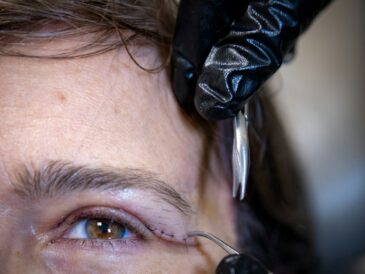
You might expect pain, but many people are surprised by how little they feel. The needles are extremely thin and often not visible from a distance. You may feel a tiny pinch on insertion or a dull, heavy sensation that fades within seconds.
Acupuncture pins are meant to target the chi in the body. Chi refers to your life force energy. There is an energy channel in the body and anytime there is an obstruction or anything that interferes with it, it takes the form of a physical issue in the body like pain. The pins in acupuncture can help redirect or balance the chi in your body.
If you have trouble moving around, ask the acupuncturist to come to your house. Lots of practitioners are glad to travel to clients if they are unable to move around. You may be required to pay a travel fee, but you are sure to find the service and convenience well worth it.
You should never go to an acupuncture appointment on an empty stomach. Have a small meal or a healthy snack two hours before your appointment. If you often feel lightheaded during or after your treatment, eat more before your appointment and bring some snacks with you so you can eat as soon as the treatment is over.
Require that you see any acupuncture needles unwrapped in front of you prior to usage. This is a big safety concern as these needles must be used one time only by the practitioners. Otherwise it can be of serious medical concern. If there’s an open package in front of you that you didn’t see open, request a new set of needles.
Quick FAQ: what you need to know
Does acupuncture hurt? Most people report minimal sensation—often a tiny pinch—because needles are hair-thin.
How many visits should I plan? Many care plans start with 1–2 visits per week for 3–4 weeks and then reassess; some goals may need 6–10 visits.
How do I choose a practitioner? Verify a state license and ask about training related to your goal (prenatal, sports, facial, etc.).
Is it safe with medications? Tell your practitioner about all medicines and supplements so they can coordinate with your doctor if needed.
Sometimes acupuncture can leave you feeling sore, particularly on your feet and hands. Generally, the soreness will go away in a day’s time, although you may experience some issues for up to a week later. Simply try to stay off your feet as much as possible, and allow your hands to rest as well.
Throughout history, devotees of acupuncture have proclaimed its tremendous ability to solve a broad array of health and wellness issues. But, the best way to get everything possible out of acupuncture is to study at least a portion of the voluminous material available on the topic. Hopefully the piece you have just read has gotten you off on the right foot.