Acupuncture for glowing skin is a phrase you may have heard from friends, estheticians, or wellness blogs, yet it can feel unclear what actually happens, what results are realistic, and how to build a sensible routine around it. This guide explains the basics in plain language, outlines what a typical session looks like, offers simple at‑home acupressure ideas, and shows how to pair the practice with everyday skincare habits so you can make steady, gentle progress.
What cosmetic acupuncture is (and is not)
Cosmetic acupuncture is a professional service that uses very fine, single‑use needles placed on the body and face with the aim of supporting overall circulation, relaxation, and balanced tone. It sits at the intersection of traditional practice and modern skincare goals. People often book sessions to support a fresher look, to feel more at ease, and to encourage a healthy glow that complements daily skincare.
It is essential to set realistic expectations. This practice is not a quick fix, a miracle tool, or a substitute for consistent skincare, rest, and sun protection. It is better understood as a steady, gentle input that may help your natural complexion look its best over time when combined with good daily habits. Some people notice a temporary brightness right after a session; others observe subtle changes across several weeks. Because everyone’s skin and lifestyle are different, experiences vary. A licensed practitioner can help tailor a plan to your goals and comfort level.
Cosmetic acupuncture also differs from procedures like lasers or injections. It does not add a substance or remove tissue. Instead, it focuses on supporting the body’s own processes, especially circulation and relaxation. Many people appreciate that sessions feel calming, which can complement an overall self‑care routine.
Acupuncture for glowing skin: how it may support a natural glow
When people talk about glow, they usually mean three visible qualities: evenness, hydrated plumpness, and a subtle radiance that shows up under everyday lighting. Cosmetic acupuncture aims to support those qualities through a few core ideas:
- Encouraging circulation: By using carefully placed points, a practitioner aims to support local microcirculation. Many clients describe a warm, relaxed feeling in the face and neck after a session, which they associate with looking more awake.
- Signals for balance: Traditional perspectives emphasize the whole person. Points on the body—such as the hands, legs, and feet—are often used alongside facial points to support a balanced response. Think of it as a nudge toward a steady baseline, which can reflect in the skin.
- Relaxation of everyday tension: Many of us hold our jaw, furrow our brow, or squint at screens. Gentle sessions can encourage a sense of ease through the forehead, temples, jawline, and neck. Less habitual tension can make expressions look softer and more open.
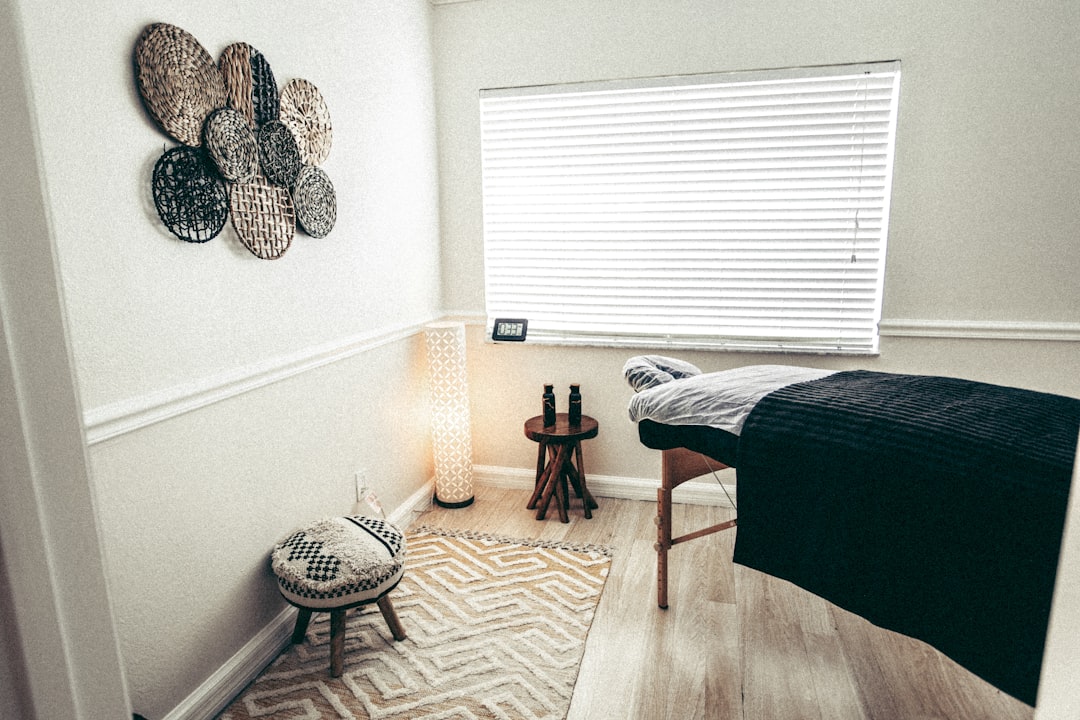
None of this requires force. The needles are hair‑thin and typically remain in place for a short resting period while you lie comfortably. The calm environment—dim lighting, soft music, and measured breathing—is part of the experience and may be one reason people leave looking refreshed.
What to expect in a session: step‑by‑step
Stepping into your first appointment is easier when you know the flow. While every clinic has its own style, this general sequence covers what many people experience:
- Conversation and goal‑setting: You’ll discuss skin goals, daily habits, and comfort preferences. Bring notes about your current skincare, sun habits, and sleep. If you’ve had facial services recently (like chemical exfoliation or microneedling), mention the timing so your practitioner can plan thoughtfully.
- Preparation: You’ll remove makeup and sunscreen, and your face will be gently cleansed. Practitioners often use clean cotton pads and minimal fragrance products to support comfort.
- Point selection: You may feel one or two tiny taps as the first needles go in; most clients describe them as a gentle prickle followed by ease. Points may be placed across the face (forehead, temples, cheeks, jawline) and sometimes on hands, legs, or feet to support overall balance.
- Resting phase: Once the needles are placed, you’ll rest for 10–25 minutes. Many people doze off. This is a good time to focus on slow breathing and let your shoulders drop.
- Removal and aftercare: Needles are removed and safely disposed. Your practitioner may apply a light, neutral moisturizer and offer aftercare guidance: avoid heavy exfoliation that day, keep the skin clean, and stay hydrated.
Sessions often take 45–60 minutes. A series approach is common, especially at the beginning—think weekly or bi‑weekly for several visits, then tapering into a maintenance rhythm based on your response and budget.
Safety, comfort, and practitioner selection
Comfort and cleanliness are non‑negotiable. Here’s a simple safety‑first checklist to use when you’re selecting a clinic and preparing for sessions:
- Credentials: Choose a licensed professional who provides cosmetic or facial sessions as part of their practice and can answer your questions clearly.
- Single‑use needles: Ask and verify: needles should be sterile and single‑use with safe disposal. This is standard practice in modern clinics.
- Clean environment: The treatment room should be tidy, with clean linens and easily accessed hand hygiene.
- Transparent intake: A thoughtful intake covers your history, skincare habits, and comfort preferences. It’s a good sign when your practitioner listens and explains the plan in plain language.
- Comfort adjustments: If any point feels uncomfortable, say so. Minor adjustments (angle, depth, or location) can help. Your comfort guides the session.
If you have questions about whether this modality fits your situation, consider discussing it with a qualified healthcare professional who knows your history. Bring the plan you’re considering, including frequency and any other skincare services you use, so you can receive personalized guidance.
At‑home acupressure and self‑care micro‑routines
You don’t need needles to support a glow between appointments. Simple acupressure—pressing lightly on facial points with clean fingertips—can be a soothing addition to your daily routine. The key is light, consistent, and mindful practice. Below is a gentle routine you can try 3–5 times per week. Wash your hands, apply a small amount of fragrance‑free moisturizer or facial oil to reduce drag, and sit comfortably. Use two fingers (index and middle). Apply light pressure—think the weight of a coin—on each point for about 5–10 slow breaths.
- Between the brows (mid‑forehead): Many of us furrow here. A minute of soft pressure paired with long exhales can release daytime tension.
- Temples: Press and make small circles to ease screen‑time tightness.
- Top of cheekbones: Gentle pressure here can feel energizing and may encourage a sense of lift after a long day.
- Along the jawline: Move from chin to ear with feather‑light strokes to reduce the sense of clenching. Keep it slow and smooth.
- Under the ears along the neck: Very gentle strokes downward can complement your nightly skincare routine and feel relaxing before bed.
Stop any motion that causes discomfort, and avoid working over active breakouts or irritated patches. The goal is comfort and consistency. Pair the routine with a brief check‑in: Did you drink water today? Did you get a midday stretch? Small, repeatable habits often add up to visible changes over time.
Short on time? Try these micro‑routines when minutes are scarce:
- 60‑second temple reset: Place your palms gently over your temples and breathe slowly for ten breaths. Focus on relaxing your jaw and shoulders.
- Desk break sweep: With clean hands, make three feather‑light sweeps from the middle of your forehead to your hairline, then from the sides of your nose out to your temples, finishing from the chin along the jawline toward the ears.
- Evening wind‑down: After moisturizing, apply two extra drops of oil to fingertips and trace a small circle around each eye socket with minimal pressure. Stop immediately if any area feels tender.
Building a glow routine: daily habits that matter most
Glowing skin rarely comes from one input alone. The steadier your daily habits, the more any session can complement your efforts. Here is a practical routine many people find helpful. Adapt it to your skin and season.
Morning routine (5–10 minutes)
- Cleanse lightly: Use a gentle cleanser or just rinse if your skin is dry.
- Hydrating layers: Apply a hydrating toner or essence, then a simple serum like hyaluronic acid if it suits you.
- Moisturize: Choose a lightweight formula in warm months and a richer one in cold, dry air.
- Sun protection: Daily SPF is one of the most reliable ways to support an even, bright look over time. Reapply as directed when outdoors.
Evening routine (10 minutes)
- Cleanse thoroughly: Remove sunscreen and makeup with care.
- Targeted care: If you use retinoids or exfoliants, place them on non‑session nights and follow professional guidance for frequency.
- Moisturize and seal: Lock in hydration with a moisturizer suited to your skin type.
- Acupressure add‑on: 3–5 minutes of gentle facial acupressure can be a relaxing bridge to sleep.
Layer in weekly habits: a simple sheet mask, a mindful walk, a consistent bedtime, and steady hydration. Over a month, these basics often create the background for a healthy glow.
Tailoring your approach by skin type and season
Skin is personal. Two people can follow the same routine and see different outcomes. Consider these notes to tailor your plan:
- Dry or tight‑feeling skin: Emphasize hydrating layers and a richer evening moisturizer. Keep acupressure light and avoid dragging motions. Sessions may feel especially soothing when scheduled in the evening.
- Oil‑prone or shine‑prone skin: Choose non‑comedogenic products. Gentle acupressure around the jaw and temples can feel balancing; avoid heavy oils if they don’t suit you.
- Sensitivity‑prone skin: Patch test new products. Keep at‑home techniques minimal: shorter sessions, lighter pressure, and a focus on comfort. Share your history with your practitioner so the plan stays gentle.
- Fine lines or expression‑heavy areas: Pair evening acupressure with a breathable moisturizer and practice slow breathing to relax brows and jaw. Small, steady habits often make expressions look softer.
Seasonal tweaks matter, too:
- Winter: Indoor heat and wind can increase surface dryness. Add a humidifier, choose richer creams, and space exfoliation carefully. Book sessions at times when you can rest afterward.
- Spring: Transition products as storms and pollen shift your environment. Keep acupressure light if your skin feels reactive.
- Summer: Heat and humidity may call for lighter textures and steady SPF. Schedule sessions when you can stay cool afterward and avoid hot environments the same evening.
- Autumn: Dry air and travel can sap moisture. Rebalance with hydrating toners and calming routines. Consider a short series of sessions to reset before holiday schedules.
Comparing options and how to combine them sensibly
It helps to see how cosmetic acupuncture fits alongside common options. The right choice depends on your goals, sensitivity, budget, and timeline. Use the factors below to compare:
- Cosmetic acupuncture: A calm, needle‑based session done by a licensed professional. Emphasizes circulation, balance, and relaxation. Experiences vary; many people book series over several weeks and pair sessions with daily skincare.
- Microneedling (clinical): Performed by trained personnel with specialized devices. Typically designed for targeted goals and performed less frequently. Downtime and aftercare vary; consult the professional guiding your plan.
- Facials (spa or clinical): Range from basic cleansing to advanced protocols. Useful for maintenance, education, and product tailoring. Frequency varies from monthly to seasonally.
- Gua sha and face massage: At‑home or professional options that emphasize gentle movement and relaxation. Many people pair them with acupressure for comfort and consistency.
Some people mix modalities across a season (for example, monthly facials with weekly acupressure at home, plus a short series of cosmetic acupuncture). Others prefer one approach at a time. The most important factor is a plan that you can maintain safely and comfortably.
If you coordinate services, keep a simple calendar with buffers. A common layout:
- Week 1: Cosmetic acupuncture (mid‑week), home acupressure (two evenings)
- Week 2: Maintenance facial or at‑home deep cleanse (early week), home acupressure (two evenings)
- Week 3: Cosmetic acupuncture (late week), home acupressure (two evenings)
- Week 4: Rest week with regular skincare only
Adjust as needed based on how your skin feels, your budget, and your schedule. Communication across providers helps avoid overlapping intense services.
Planning, budgeting, and tracking progress
Consider glow a project—you’ll enjoy it more with a simple plan. Use this framework to make progress feel tangible without pressure.
Set a timeline
- Short horizon (2–4 weeks): Focus on consistent skincare and hydration; schedule a few sessions close together if that fits your budget and comfort.
- Medium horizon (8–12 weeks): Alternate sessions with intentional at‑home care. Take simple photos in the same light every two weeks to spot subtle changes.
- Long horizon (seasonal): Transition to maintenance: perhaps one session every few weeks combined with steady habits.
Budget realistically
- Series savings: Many clinics offer packages. Ask about options and make sure the schedule suits your life.
- At‑home work: Budget for daily essentials: a gentle cleanser, a moisturizer you enjoy, and SPF. Fancy products are optional; consistency is not.
- Buffer fund: Set aside a small cushion for seasonal tweaks, like a humidifier in winter or a lighter moisturizer for summer.
Track gently
- Lighting matters: Compare photos in the same room, time of day, and distance.
- Subjective notes: Write a weekly line about how your skin feels (softness, comfort, calm) and how your face feels (jaw ease, brow softness).
- Lifestyle context: Note sleep and screen habits; they influence what you see in the mirror.
Session etiquette and gentle aftercare
Show up to appointments with a clean face and comfortable clothing. Avoid heavy exfoliation and new actives the day before. Eat a light snack if you tend to feel light‑headed in calm rooms. During the session, breathe slowly and speak up if anything feels off. Afterward, keep the rest of your day simple: no intense workouts immediately after, no saunas that evening, and be kind to your skin with gentle products.
This simple aftercare checklist keeps things steady:
- Skip aggressive exfoliation for 24 hours.
- Hydrate with water and a light, neutral moisturizer.
- Protect your skin with daily SPF the next morning as usual.
- Place actives (like strong retinoids or acids) on non‑session nights unless your professional suggests otherwise.
Pay attention to comfort signals: if your skin feels extra warm or rosy after a session, keep products minimal that evening and give the skin space to settle. Often, a single hydrating layer and rest are enough.
Troubleshooting: common concerns and how to adjust
Even with a thoughtful plan, questions come up. Here are practical ways to adjust without stress.
- The post‑session glow fades quickly: That first‑day brightness can be temporary. Think of it as a preview. Build consistency with sessions and daily habits. Track your routine for two weeks and spot any gaps (sleep, hydration, SPF reapplication).
- Sensitive spots during acupressure: Skip the area temporarily and shorten sessions. Use a lighter medium (like a few drops of squalane) to reduce friction. If sensitivity persists, discuss it with your practitioner.
- Scheduling conflicts: If life gets busy, use micro‑routines for maintenance and reschedule your next session instead of cramming. A steady cadence beats intermittent bursts.
- Product overwhelm: Return to basics: cleanser, moisturizer, SPF. Add one variable at a time. Pair any new product with lighter acupressure until you see how your skin responds.
- Travel and jet lag: Pack travel‑size basics and a small facial oil. Do a two‑minute temple and jawline routine on arrival. Book sessions before or after trips rather than during.
- Budget changes: When finances shift, pause sessions and lean into at‑home care. A few mindful minutes nightly can keep your routine intact until you resume appointments.
Frequently asked notes (comfort, expectations, and realism)
How soon will I notice changes? Some people report a post‑session brightness that looks like they just had a great nap. Others see gradual changes across a month of steady care. Think of the practice as a supportive, slow build rather than a one‑time event.
Will this replace my skincare? No. View it as a complement. Daily cleansing, moisturizing, and SPF are still the backbone of a healthy glow. Acupressure adds a mindful, calming element you can feel the same day you practice.
Can I mix this with other services? Many people do. Share your full plan with both your practitioner and any other professionals you work with so scheduling and aftercare align with your comfort.
Is it uncomfortable? Most clients describe the sensation as brief and mild. Communication helps; your practitioner can adjust to keep you at ease.
Is there a best time of day? Choose a time that allows you to rest after, especially for early sessions in your series. Evening appointments can pair nicely with a quiet night routine.
What if I’m needle‑shy? Acupressure is a viable at‑home option. If you decide to try a session, let your practitioner know and start with fewer points and shorter rests. Comfort sets the pace.
Putting it together: a sample 8‑week gentle glow plan
Use this sample as a starting point and adapt as needed. The goal is a sustainable rhythm you can keep without stress.
- Weeks 1–2: One session per week. Daily skincare with SPF. Evening acupressure 3–4 times each week, 3–5 minutes.
- Weeks 3–4: One session per week or every other week based on comfort. Continue hydration and acupressure. Take photos in consistent lighting.
- Weeks 5–6: One session every 1–2 weeks. Revisit skincare basics. Add a simple hydrating mask once per week if you enjoy it.
- Weeks 7–8: Transition to maintenance based on what fits your life—perhaps one session every 2–4 weeks, paired with steady daily habits.
At the end, review your journal. Which habits were easiest? What felt most supportive? Keep the essentials and let everything else go. Sustainable routines are the ones we actually do.
Where to learn more and keep exploring
If you enjoy reading about holistic beauty and practical routines, explore more guides and updates on Beauty Health View. Pair knowledge with consistent habits, and let your plan evolve with the seasons and your schedule. The spirit of this approach is simple: patience and gentleness. A calm routine—supported by professional sessions, simple acupressure, and daily skincare—often adds up to the kind of glow that looks effortless because it’s built on steady, realistic care.