If you’ve bounced between trends and still don’t feel confident about your skin, a skin maintenance routine that respects your schedule, budget, and preferences can feel like a reset. No chase for perfection here—just steady, repeatable habits that help your face feel more comfortable and look more consistent over time.

Why a routine matters right now
The beauty aisle has never been louder. There are more products, more conflicting advice, and more viral tricks than any one person can sort. When options multiply, many people end up doing a little bit of everything and not enough of anything. A simple, realistic routine cuts through that noise by giving you a repeatable plan that suits your day, not just your wish list.
Here is what a routine is—and isn’t:
- It’s a set of small daily actions that you can repeat without thinking too hard. Think of it as brushing your teeth for your face.
- It’s not a personality test. You don’t need to identify as “dry,” “oily,” or “sensitive” to start. You’ll adjust as you go based on how your skin actually feels.
- It’s guardrails, not handcuffs. Life happens, travel happens, long days happen. A routine gives you a baseline so you can flex up or down without overreacting.
Benefits you may notice when you stick with a routine for weeks, not days:
- More predictable comfort: fewer mornings where your face feels tight or unusually shiny.
- Better product fit: you’ll learn which textures you like and which ones you skip without regret.
- Calmer decision-making: fewer late-night impulse buys, more clarity about what actually earns space on your shelf.
The goal is to choose a baseline you can keep on a busy weekday and still enjoy on a slow Sunday. From that baseline, you’ll layer in small improvements as needed. That’s the path that tends to stick—and show up quietly in the mirror.
Your daily skin maintenance routine, step by step
Below is a compact AM/PM template. You’ll personalize it later, but start simple to build consistency. Keep your morning four together in one spot and your night three together in another so you can glide through the steps.
Morning baseline (about 3–4 minutes)
- Rinse or gentle cleanse: If you used heavier products overnight or feel greasy, use a mild, low-foam cleanser. If you wake up comfortable, lukewarm water is fine for many people.
- Hydrating layer: A water-based serum or essence with humectants (such as glycerin or hyaluronic acid) helps your face feel plump and flexible. Two or three drops pressed in with palms is enough.
- Moisturizer: Pick a texture you actually like—gel for a light, quick-dry finish; lotion or cream for more cushion. Barrier-friendly lipids like ceramides, cholesterol, and fatty acids can support a comfortable feel.
- Daily SPF: Choose a broad-spectrum formula you like wearing in daylight. Apply generously to face, ears, neck, and any exposed areas. Reapply when you expect extended outdoor time.
Evening baseline (about 4–6 minutes)
- Cleanse: Use a gentle cleanser to lift SPF, makeup, and daily buildup. If you wear long-wear makeup, consider a cleansing oil or balm, then a quick gel cleanse. Aim for a clean-but-not-squeaky feel.
- Active or calm step: On some evenings, choose a familiar active such as a low-strength retinoid, a niacinamide serum, or an azelaic acid product. On other nights, keep it quiet with a hydrating serum. The slow-and-steady rhythm often feels friendlier than a heavy stack.
- Moisturizer: Seal in water with a comfortable cream. In dry rooms, a thicker texture can help you wake up less tight.
Two-week setup tip: Keep one sentence of notes on your phone. Log what you used and how your skin felt the next morning (comfortable, tight, shiny, calm). Patterns will surface faster than you expect.
Choosing products that fit your goals and context
Product choice gets easier when you decide upfront what you care about most: comfort, finish, and effort. From there, you can filter by texture, climate, packaging, and price without drowning in options.
- Comfort: If “tight after cleansing” shows up in your notes, prioritize lower-foam cleansers and moisturizers with soothing lipids and humectants. If you feel greasy by late morning, try a lighter moisturizer and keep your hydrating step.
- Finish: If you prefer a matte look, gel-cream textures and modern SPF fluids tend to feel breathable. If you prefer a dewy look, emulsions and creamy SPF can give that soft sheen.
- Effort: If you want speed, choose pump packaging and formulas that sink quickly. If you enjoy the ritual, you may like slightly richer lotions or essences that invite a slow press-in.
Label cues that often match the experience
- Mild/low-foam in cleansers tends to feel less stripping, especially in colder months.
- Fragrance-free can be a calmer starting point for fussy skin.
- Humectants (glycerin, hyaluronic acid) make skin feel bouncier, especially when air isn’t extremely dry.
- Lipids (ceramides, cholesterol, fatty acids) can support a cushioned, calm feel, especially overnight.
- Well-known actives (niacinamide, retinoids, vitamin C derivatives, azelaic acid) are common tools for the look of brightness and smoother texture with regular use.
Patch test, then introduce one new thing at a time: Apply a small amount to your inner forearm for several days. If it feels fine, use on a small facial area twice before going all-in. This pacing helps you read your skin’s response clearly.
Morning vs. night: different roles, different rhythms
Your face deals with different conditions across a 24-hour cycle. Daylight is about comfort under light and movement; evening is about generous moisture and, when appropriate, measured use of actives.
- During the day: Favor breathable hydration and a comfortable layer of SPF. If you wear makeup, choose textures that play well under it. In humid weather, gel-cream textures often feel fresher; in dry air, lotion-cream layers may feel better.
- At night: Your face isn’t contending with sun or workouts. This is a good time for a richer cream and for actives on a steady schedule if your skin is up for it. On prickly nights, drop back to cleanser plus cream only.
Exfoliation, but gentler than you think: More grit isn’t more glow. If you like chemical options, choose a mild acid toner or an enzyme product and use it sparingly. If you like physical options, pick the softest possible scrub and keep pressure low. Pencil in quiet nights so your skin can settle.
Ingredient guide without the hype
Ingredients are tools, not magic wands. The right tool used at the right pace often gives you a more even, comfortable look over months, not days. Consider these common options and how they fit into a low-drama plan.
- Glycerin and hyaluronic acid: Classic humectants that hold water near the surface. Helpful in serums and lotions. Pair with a moisturizer to keep that plump feel from flashing off, especially in dry rooms.
- Ceramides, cholesterol, fatty acids: These lipids mirror what already exists in the outer layer of your skin. They can support a cushioned, calm feel, especially when space heaters or airplane cabins are in the picture.
- Niacinamide: A flexible, well-loved ingredient that supports a balanced feel and can soften the look of visible redness or pores with steady use. Often comfortable in the 2–5% range for many people.
- Vitamin C family: Pure ascorbic acid is popular but can tingle. Derivatives (such as sodium ascorbyl phosphate or 3-O-ethyl ascorbic acid) are common gentler entries. Many people use vitamin C or its derivatives in the morning under SPF for a bright, lively look.
- Retinoids: Nighttime favorites that can promote a smoother-looking texture and more even-looking tone over time. Start low and go slow—two nights a week is a fine beginning. Buffering with moisturizer can help maintain comfort.
- Azelaic acid: A versatile option many people like for a more even-looking tone and calm feel, especially on areas that get blotchy.
- Green tea, centella, licorice root: Common “comfort” extracts people reach for when they want cooling, easygoing layers.
How to build an active schedule: Pick just two evenings a week for a retinoid and one or two for another favorite (for example, azelaic acid). Keep the other nights quiet. Hold the schedule for a full month before changing it. If a product feels pushy, reduce frequency instead of stacking another soothing product on top.
Layering, timing, and texture compatibility
Layering feels complex until you switch to a simple rule: wateriest to oiliest, thinnest to thickest. Give each layer a small moment to set, then move on.
- Order basics: Cleanser → watery serum/essence → lotion/cream → SPF in the morning. Balm last if you use one at night.
- Timing: Wait 30–60 seconds between layers. Press with palms rather than rubbing, especially around the cheeks and nose.
- Texture truce: If products roll up (pilling), you may be mixing silicone-heavy formulas with certain gels. Lighten one step, switch one texture, or add a bit more time between steps.
- Spot layering: Faces aren’t uniform. Apply a matte gel where you get shiny (usually the T-zone) and a richer cream on drier areas (often cheeks). You don’t need a second set of products—just apply different amounts.
Makeup compatibility mini-check: If foundation separates by midday, your morning moisturizer may be too rich or too sparse. Try a gel-cream under makeup and use a lightweight SPF that sits smoothly. Blotting papers are great for quick resets without adding thickness.
Seasonal shifts, environments, and travel
Skin feelings change with air, light, movement, and stress. Rather than overhauling your routine every time the weather flips, build a small drawer of toggles you can plug in for a week and then remove.
- Cold and dry air: Add a drop or two of emollient face oil to your cream or swap to a richer cream at night. A small bedside humidifier can make mornings feel less crackly.
- Heat and humidity: Swap to gel moisturizers and modern SPF fluids or gels that feel breathable. Foam cleansers can feel refreshing if they don’t leave you tight.
- Air travel: Press in a hydrating serum and moisturizer before boarding. On long flights, a light reapply of moisturizer helps many people feel less parched upon landing.
- Gym days and outdoor time: A quick cleanse after workouts followed by a fresh layer of SPF before heading back out helps you feel clean and ready.
Seasonal capsule kits (packable)
- Winter capsule: travel-size low-foam cleanser, humectant serum, richer cream with ceramides, hydrating lip balm, bedside humidifier card reminder.
- Summer capsule: gentle foaming cleanser, light gel-cream, fluid SPF, blotting papers, small facial mist if you enjoy that sensory reset.
- Work-trip capsule: cleansing balm + tiny gel cleanser, one multi-tasking hydrating serum, one mid-weight moisturizer, pocket-size SPF stick or travel tube.
Sensitive days and micro-resets
Every face has moody days. Maybe you layered too fast, tested a new foundation, spent a windy afternoon outside, or didn’t sleep much. When your skin feels prickly or looks blotchy, your first aid is a micro-reset: fewer steps, gentler textures, more patience.
- Strip back to basics: Cleanser, bland moisturizer, and daily SPF. Pause strong actives and scented products for a few days.
- Soften everything: Lukewarm water, no rough towels, and light pressure. Pat rather than rub and try soft microfiber cloths.
- Buffer actives when you restart: On the first night back, apply your moisturizer before a thin layer of your active to cushion the feel. If that feels fine, return to your normal order the next week.
- Check your environment: Hot showers, space heaters, and scratchy scarves can nudge your face into a cranky mood. Small tweaks often help more than another bottle.
What not to do: Don’t stack three new “calming” products in a single night. Your skin may appreciate the quiet more than the chorus.
Budget, time, and sustainability
A routine is easier to keep when it respects your money, minutes, and space. You don’t need a luxury shelf to feel good in your skin.
- Budget focus: Allocate most of your budget to a daily SPF you genuinely like and a moisturizer you love using. Cleansers and hydrating serums can be affordable without feeling cheap.
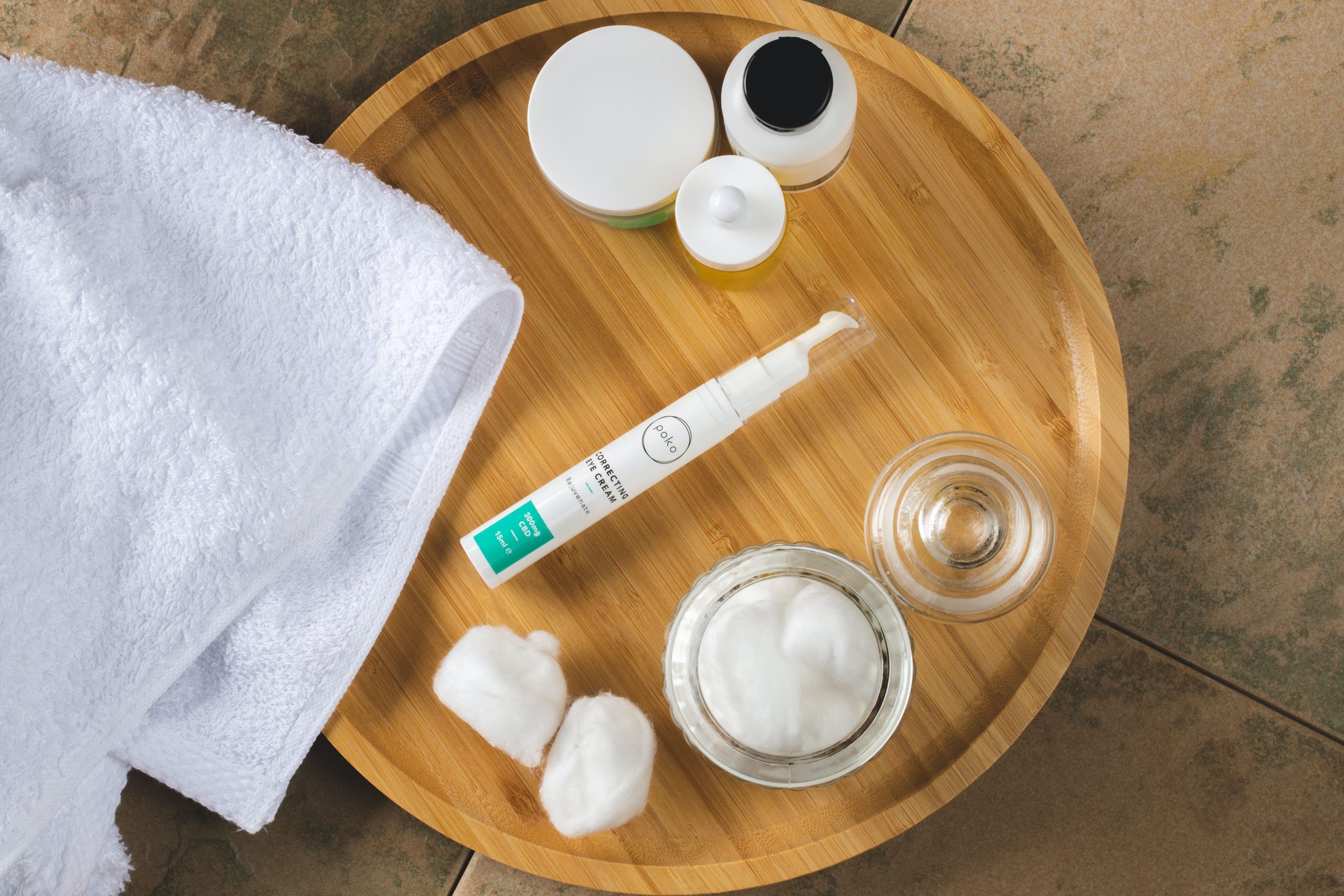
- Time savers: Organize your station. Put your morning four in one tray and your evening three in another. Keep cotton rounds, scoops, and a mirror within easy reach so you don’t go hunting.
- Use it up: Choose one product per category and finish it before buying another. Your skin and your wallet will both feel calmer.
- Smarter packaging: Refill pouches, airless pumps that actually empty, and larger sizes for the products you go through quickly can reduce waste and decision fatigue.
Minimalist kit templates
- Ultra-minimal (AM/PM): gentle cleanser, glycerin serum, mid-weight moisturizer, daily SPF.
- Minimal + one active (PM 2 nights): the ultra-minimal kit plus a low-strength retinoid, used twice weekly at night.
- Minimal + brightening focus: swap retinoid for vitamin C derivative in the morning under SPF and keep nights quiet with cream.
Hygiene, storage, and lifespan checks
Small hygiene habits help your products feel consistent from the first pump to the last and can reduce the “why is this suddenly weird?” moments.
- Hands and tools: Wash hands before applying skincare. If you use jars, a clean scoop can help keep the contents tidy.
- Storage: Close caps firmly. Keep products away from steamy showers and direct sun. A cool drawer works better than a hot windowsill.
- Textiles and tools: Change face towels and pillowcases regularly. Rinse makeup sponges and brushes after use, then give them a deeper wash on a set schedule so they don’t build up residue.
- Freshness sense-check: If a product separates oddly, changes color significantly, or smells off, it may be past its best day. It’s okay to let it go.
When to replace: Many people rotate cleansers every 6–12 months, moisturizers around a similar timeline, and SPF more frequently since daily use empties the tube sooner. Your usage will vary, but a simple calendar reminder can help you take stock without guessing.
Troubleshooting, progress tracking, and personalization
Even the tidiest routine has hiccups. Here’s how to troubleshoot calmly, measure progress without obsessing, and add a personal twist without overcomplicating things.
Common issues and practical fixes
- Pilling (products ball up): Usually a texture clash or too many layers. Give each layer more time, lighten either the serum or the moisturizer, or switch your SPF base.
- Shininess by midday: Keep your hydrating step, but try a lighter morning moisturizer. A thin gel-cream under SPF and blotting papers in your bag can make the day feel smoother.
- Tightness after cleansing: Reduce cleansing time, switch to a milder cleanser, and apply your hydrating layer while skin is slightly damp.
- Occasional breakouts: Keep your routine steady. Consider using a leave-on product with salicylic acid or azelaic acid on alternate evenings for a few weeks to see how your skin responds.
- Stinging from a new product: Remove it, rinse with lukewarm water, and return to basics for a few days. When retrying, use a smaller amount, buffer with moisturizer, and extend time between uses.
Progress tracking that doesn’t take over your life
- Photos: Take a makeup-free snapshot every two weeks in the same spot and lighting. Tiny changes are easier to see side by side.
- One-line diary: Log what you used and how your face felt the next morning in one sentence. Look for patterns over months, not days.
- Comfort score: Rate your face feel from 1–5 each morning. If your average is rising, your routine is likely a good fit.
Personalization without chaos
- Schedule-based actives: Choose two nightly slots for a retinoid and one or two for azelaic acid or another brightening product. Keep the rest quiet.
- Texture toggles: Maintain two moisturizers—one gel-cream and one cream—and switch based on weather or indoor heating.
- Targeted add-ons: Use a dab of niacinamide or azelaic acid on areas that get shiny or look uneven instead of applying everywhere.
- SPF wardrobe: Keep two daily SPF formulas—one dewy, one more matte—so you can choose based on activities and outfits.
Mini-kits by skin mood (use these as temporary tweaks rather than lifelong labels)
- When everything feels parched: low-foam cleanser; humectant serum + a drop of emollient oil mixed into your cream at night; bedside humidifier; SPF with a cream base.
- When shine takes over by noon: gel or gel-cream moisturizer in the morning; mid-weight lotion at night; blotting papers; powder or gel SPF for reapplication on active days.
- When texture looks rough: pick one gentle exfoliant (mild acid toner or enzyme wash) once or twice weekly; keep the other nights calm; retinoid no more than two or three nights a week.
- When red patches show up: fragrance-free everything; creams with ceramides; azelaic acid on alternating evenings; avoid hot water and scratchy scarves for a bit.
Mindset matters: Think in experiments, not emergencies. Make one change at a time, observe for a couple of weeks, then keep what works and drop what doesn’t. Your face will thank you for the steady hand.
Myths, realities, and a calmer way forward
The skincare world is full of confident statements that don’t hold up in real life. Borrow what’s useful, skip what isn’t, and give yourself permission to keep it simple.
- Myth: More steps equal better results. Reality: A few well-chosen products used regularly tend to outperform a crowded shelf.
- Myth: One hero ingredient changes everything. Reality: Ingredients help most when they live inside a routine you actually follow.
- Myth: If it tingles, it’s working. Reality: Comfort is a valid metric. Calm, predictable skin often looks its best.
- Myth: You need to keep up with every launch. Reality: Your skin values rhythm and patience more than novelty.
- Myth: Scrubbing hard makes you smooth. Reality: Gentle, spaced-out exfoliation usually feels better and looks better over time.
Let your routine serve your life, not run it. A small set of products you use consistently will almost always beat a complex plan you can’t keep.
Where to go next
Ready to keep building a calm, realistic approach? Explore more guides in our Skin Maintenance section here: Skin Maintenance on BeautyHealthView. Save this article, pin the checklists, and give your plan a full month of steady use. The clearest progress often shows up quietly, in how your skin feels when you’re not thinking about it.