Many people search for eczema removal hoping for a quick fix, but the most reliable path is a steady routine that supports the skin barrier, lowers exposure to common triggers, and builds habits that make flares less frequent and less intense. Instead of chasing miracle claims, this guide shares practical steps, checklists, and tools to make day-to-day care simpler and more effective, while keeping expectations grounded.
Eczema removal: realistic goals that respect how skin behaves
The phrase is popular, yet it can set unrealistic expectations. Skin that reacts easily often cycles through calmer periods and flare periods. The aim is not to erase a tendency, but to reduce friction, support the barrier, and enjoy more comfortable days. Think of this as a personal systems project: you are designing a sustainable set of small actions that, together, make a noticeable difference over time.
Three ideas frame the entire guide. First, the skin barrier is a living shield that prefers consistency. Second, triggers add up; a little soap here, a tight collar there, low humidity at night—small stresses combine. Third, progress is easier to see when you track habits and sensations in simple ways. With those in mind, everything that follows focuses on achievable steps rather than dramatic promises.
What “eczema removal” can and cannot mean
- It can mean fewer friction points in daily life and a calmer baseline.
- It can mean shorter, milder flares thanks to timely moisturizing and fabric choices.
- It can mean learning what your skin likes and planning your environment around that.
- It does not mean a magic switch that makes sensitive skin disappear for good.
- It does not mean you failed if a flare appears; the goal is steadier comfort over time.
When you define success as more comfortable days, smoother sleep, and a routine you can actually maintain, the process becomes lighter and far more sustainable.
Barrier basics: how sensitive skin behaves
Imagine skin as a brick wall. The “bricks” are cells; the “mortar” is a blend of lipids such as ceramides, cholesterol, and fatty acids. When the mortar thins, water escapes more easily and irritants can bother the surface. That is why steady moisturizing and low‑friction choices pay off: they help keep that mortar intact. In practical terms, the barrier appreciates lukewarm water, mild cleansers, and creams or balms that sit on the surface to lock in hydration.
Flares often follow patterns. Common influences include seasonal dryness, sweaty workouts that sit on skin for hours, long hot showers, scratchy fabrics, fragrance exposure, and dust buildup. The specifics vary from person to person, so your best strategy is to observe and record what seems to worsen or calm your skin. A couple of weeks of notes often reveal insights you can act on without guesswork.
- Keep showers and baths short and warm rather than hot.
- Use a gentle, fragrance‑free cleanser on the areas that truly need cleaning.
- Moisturize within minutes after bathing while skin is still slightly damp.
- Choose clothing and bedding that feel soft and smooth against the skin.
- Adjust indoor humidity to a comfortable range during dry seasons.
This is not about perfection. It is about tilting the micro‑decisions of the day toward barrier support, again and again, so the overall load on your skin stays manageable.
Build a daily care routine you can keep
Consistency beats intensity. A routine you actually follow is more valuable than an elaborate plan you abandon after a week. Start small, anchor a few actions to moments you already do (like after washing hands or before bed), and let the routine grow from there.
Morning rhythm
- Rinse areas that need a refresh with lukewarm water; cleanse only where necessary.
- Apply a barrier‑friendly moisturizer (cream or balm texture) to dry‑prone spots.
- Choose soft, breathable clothing; avoid snug seams or rough collars.
- Pack a travel‑size moisturizer for reapplication if skin feels tight during the day.
Midday upkeep
- Reapply moisturizer to hands after washing; keep a pump nearby at work.
- If sweat is a frequent irritant, gently pat dry with a clean, soft cloth rather than rub.
- Carry a water bottle; comfortable skin starts with overall hydration, too.
Evening wind‑down
- Short, warm shower or bath; limit cleanser to sweat and soil zones.
- Within minutes after toweling, apply a generous layer of moisturizer head to toe.
- Put on soft sleepwear; consider long sleeves or light gloves if nighttime scratching is common.
Anchor your routine to daily “triggers”: after bathing, after handwashing, and before bed. Those anchors make the routine automatic and reduce the mental energy required to keep it going.
Moisturizers and ingredients: how to choose and patch test
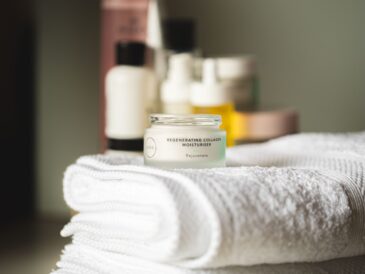
Choosing a moisturizer is part chemistry and part preference. Creams and balms are often helpful because they include occlusive ingredients that sit on the surface to slow water loss. Lotions feel lighter but may not lock in hydration as effectively on very dry areas. Many people combine formats: a cream for most of the body and a balm for the driest patches.
Label‑reading does not need to be complicated. Look for terms like fragrance‑free and sensitive skin. Ingredients people commonly find helpful include:
- Ceramides to support the skin’s mortar‑like lipids.
- Glycerin and hyaluronic acid to attract water to the upper layers.
- Petrolatum or dimethicone to create an occlusive or semi‑occlusive layer.
- Shea butter and other butters or oils for richer comfort on very dry spots.
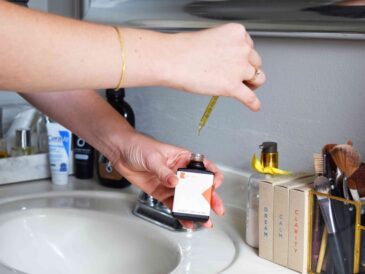
Patch test any new product on a small area for several days before applying widely. Apply to the inner forearm or behind the ear, and watch for redness or increased itch. If a product stings or feels irritating, rinse gently and set it aside. No formula is universal, so patience pays while you learn what your skin likes.
Choosing textures by situation
- At‑home days: richer creams or balms can sit comfortably without staining clothes.
- Office or travel: lighter creams that absorb quickly reduce residue on keyboards or phones.
- Hands: keep a pump of cream by each sink and a small tube in bags or pockets.
- Overnight: a balm layer on top of cream can boost morning comfort in dry rooms.
If you are comparing two products, change only one variable at a time for at least a week. That way, you can tell what is doing the work and avoid guessing games.
Cleansing, bathing, and hand care without stripping
Clean skin feels good, but too much washing can backfire. The goal is to remove sweat, dirt, sunscreen, and urban grime while leaving natural lipids intact. A few practical guidelines help you strike that balance:
- Limit showers or baths to about 5–10 minutes in warm water.
- Use a small amount of a mild, fragrance‑free cleanser; focus on underarms, groin, feet, and visibly soiled areas.
- Avoid vigorous scrubbing tools that create micro‑friction; your hands or a soft cloth are enough.
- Pat dry with a soft towel rather than rubbing.
- Moisturize promptly; this is the moment when skin is most receptive.
Hands deserve special attention since they are washed often. Keep a gentle cleanser at each sink, moisturize after washing, and consider a richer cream or balm before bed. For the scalp, a mild shampoo designed for delicate skin and thorough rinsing can help many people feel more comfortable.
Small upgrades that add up
- Swap a high‑foam body wash for a low‑lather, fragrance‑free cleanser.
- Keep the water warm, not hot, especially in winter.
- Turn the post‑shower moisturizer step into a non‑negotiable habit.
These changes look minor on paper, yet they often add up to noticeably calmer skin days.
Textiles and laundry: clothing, bedding, and wash routines
Textiles live against your skin for hours at a time, so their texture and care matter. Fabrics that glide—like soft cotton and certain modal or bamboo blends—tend to feel better than stiff or scratchy materials. Some people enjoy merino’s softness; others notice more itch. Your own comfort is the best guide.
Simple laundry choices can also help:
- Choose fragrance‑free detergents labeled for sensitive skin.
- Use the extra rinse setting to wash out residues.
- Avoid fabric softeners and dryer sheets if irritation follows their use.
- Wash new clothes and bedding before first wear to remove finishing chemicals.
- Prefer tagless garments or trim tags neatly to avoid chafing.
At night, breathable bedding helps regulate temperature. If heat builds up under heavy blankets, try layering lighter options so you can adjust easily. Many people also find that smooth pajama seams and cuffed sleeves make absent‑minded scratching gentler on skin.
Wardrobe audit checklist
- Pull out items that feel itchy or stiff and set them aside for non‑contact wear (like over a soft base layer).
- Note your favorite soft materials and look for similar blends when shopping.
- Consider a second set of pillowcases so you can change them mid‑week if your skin feels better with extra freshness.
The goal is not a perfect wardrobe, but a small core of reliable, comfortable options you can reach for without thinking.
Home environment: humidity, temperature, dust, and air flow
The microclimate of your home influences comfort more than most people realize. Skin often feels better when humidity is neither bone‑dry nor tropically damp. In colder months, indoor air tends to dry out; in summer, air conditioning can also lower humidity. A small digital hygrometer shows you the current level so you can make smart adjustments.
- In dry seasons, consider a cool‑mist humidifier and clean it regularly according to the manufacturer’s guidance.
- Keep rooms comfortably cool at night to minimize overheating and sweat.
- Dust and vacuum on a regular cadence to reduce buildup on surfaces and fabrics.
- Ventilate after steamy showers and while cooking to keep air fresh.
You do not need a gadget for everything. Even simple habits—like cracking a window to air out a room or wiping down frequently touched surfaces—can make the environment gentler on skin. Track what you change and how your skin responds so you can keep the habits that help most.
Itch management: techniques that reduce scratching
Scratching is a natural response to itch, yet it can create a cycle: itch leads to scratch, which irritates skin and leads to more itch. The objective is not to rely on willpower, but to give your hands alternatives and your skin quick comfort.
- Cooling comfort: keep a gel ice pack or a clean, cold, damp cloth ready. Apply briefly to calm sensations.
- Moisture boosts: when an area feels tight or prickly, add a thin layer of cream or balm to reduce dryness‑related itch.
- Hands busy: hold a smooth stress ball or fidget item during meetings or TV time to redirect the urge to scratch.
- Short nails: keep nails trimmed to minimize incidental skin damage if you do scratch.
- Soft barriers: at night, light cotton gloves or long sleeves can make absent‑minded scratching less rough on skin.
Breathing exercises and short movement breaks help as well. When stress climbs, muscle tension and temperature often climb, too. A few minutes of quiet breathing or a gentle walk can bring both down and ease the itch cascade. If you notice certain times of day are worse, pre‑plan a soothing action for those windows so comfort arrives before the urge to scratch takes over.
Sleep and stress: gentle habits that calm the system
Nighttime comfort is crucial because broken sleep can amplify daytime sensitivity. A simple, repeatable wind‑down helps your body and mind shift gears. Consider this sequence as a starting point:
- Dim bright screens at least 30–60 minutes before bed.
- Take a short, warm shower and moisturize generously, focusing on places that tend to bother you at night.
- Cool the bedroom slightly; experiment until you find a temperature that feels calm and breathable.
- Use breathable pajamas and soft sheets. If you warm up easily, keep a light blanket nearby instead of one heavy duvet.
- Practice a brief ritual: write tomorrow’s top three tasks, then a quick gratitude note to close the day.
If you wake to scratching, keep a balm on the nightstand, along with a soft cloth for cool compresses. A dim night light lets you add a layer without fully waking. During the day, light physical activity and small boundaries with screens can reduce the evening “wired and tired” feeling that undermines sleep.
Stress buffering ideas
- Five slow breaths whenever you sit down to work, five before meals, five before bed.
- A 10–20 minute walk outdoors if possible, or indoor stretching with relaxed shoulders and jaw.
- Replace late‑night scrolling with music, a book, or gentle stretching.
- Keep a warm drink ritual—herbal tea or warm water—to signal wind‑down.
Small practices add up. The goal is not perfection, but a slightly more relaxed baseline that supports steadier habits and calmer skin days.
Food, hydration, and energy without strict rules
There is no single universal diet for sensitive skin, and major restriction without personalized guidance can be stressful. A balanced, enjoyable way of eating that supports steady energy often feels best. Here are gentle principles many people find workable:
- Favor a colorful variety of vegetables, fruits, whole grains, beans, nuts, and seeds alongside proteins you enjoy.
- Cook more meals at home so you can choose simple seasonings and cooking methods.
- Notice if certain meals seem to coincide with more itch for you. If a pattern appears more than once, jot it down and consider a small, time‑boxed experiment with professional input.
- Carry a water bottle; sip through the day so thirst does not sneak up on you.
Focus on patterns you can actually keep: regular meals that keep energy even, a sensible snack for mid‑afternoon, and an extra glass of water by your workspace. Food is one piece of the puzzle, not the entire picture—most comfort gains come from consistent moisturizing, fabric choices, bathing habits, and environment tweaks.
A simple trigger journal that teaches you more in two weeks
Because triggers vary, a short, focused journal can teach you more in two weeks than guesswork does in two years. The aim is not to micromanage your life; it is to spot repeat patterns you can address with a few smart swaps.
Use a single sheet or a notes app. Each day, record:
- Skin comfort score from 1–5 (1 = very uncomfortable, 5 = very comfortable).
- Itch moments (when, where, what you were doing).
- Exposure notes such as hot shower, new detergent, high‑sweat workout, new moisturizer.
- Sleep quality and room conditions (cool/warm, humidifier on/off).
- Food experiments only if you already notice a clear pattern; keep this light and avoid unnecessary restriction without professional guidance.
After 10–14 days, review your notes. You might see that late‑night screen time keeps you up and leads to more scratching, or that long hot showers coincide with next‑day itch. Pick one or two patterns, adjust, and continue tracking for another week. Steady, non‑judgmental observation keeps the process manageable.
A 4‑week maintenance plan you can repeat
Pick a start date and commit to four calm weeks. The aim is to stabilize habits and then keep the ones that clearly help. Use the template below and adjust to taste.
Week 1: Foundation
- Short warm showers; gentle cleanser only where needed.
- Moisturize head to toe after bathing and spot‑moisturize during the day.
- Switch to fragrance‑free laundry detergent and extra rinse cycle.
- Start daily notes (comfort score, itch moments, exposures, sleep).
Week 2: Friction control
- Audit wardrobe for soft, non‑scratchy options; set aside items that chafe.
- Trim tags, choose smooth seams, and try breathable sleepwear.
- Check indoor humidity; use a humidifier or increase ventilation as needed.
Week 3: Itch‑soothing toolkit
- Assemble a small kit: travel cream, cool compress cloth, stress ball.
- Practice brief relaxation or stretching once or twice a day.
- Keep nails short; consider light cotton gloves at night if helpful.
Week 4: Review and refine
- Scan your journal for patterns: long hot showers, certain fabrics, room temperature, or other influences.
- Keep what clearly helps; pick one small experiment for next month.
- Share key observations with a qualified professional if you want personalized advice.
After four weeks, you will have a solid baseline and a better sense of which levers matter most for you. Repeat the cycle with minor tweaks rather than reinventing the process each time.
Travel, exercise, and other on‑the‑go situations
Life does not pause for sensitive skin. With a little planning, you can carry your routine into travel days and workouts without much fuss.
- Travel kit: pack travel‑size cleanser, cream, and balm, plus a soft cloth. Refill bottles tightly to avoid leaks.
- Flights: apply moisturizer pre‑departure and again mid‑flight if the air feels dry.
- Workouts: wear breathable, smooth fabrics; pat sweat rather than rub; shower soon after and moisturize.
- Swimming: rinse off pool or ocean water promptly and apply cream.
- Hotels: if laundry scents bother you, bring a pillowcase from home for a familiar feel.
When conditions are unpredictable, fall back on basics: short lukewarm rinses and immediate moisturizing. Your barrier thrives on these fundamentals wherever you are.
Product shopping: small, dependable, and effective
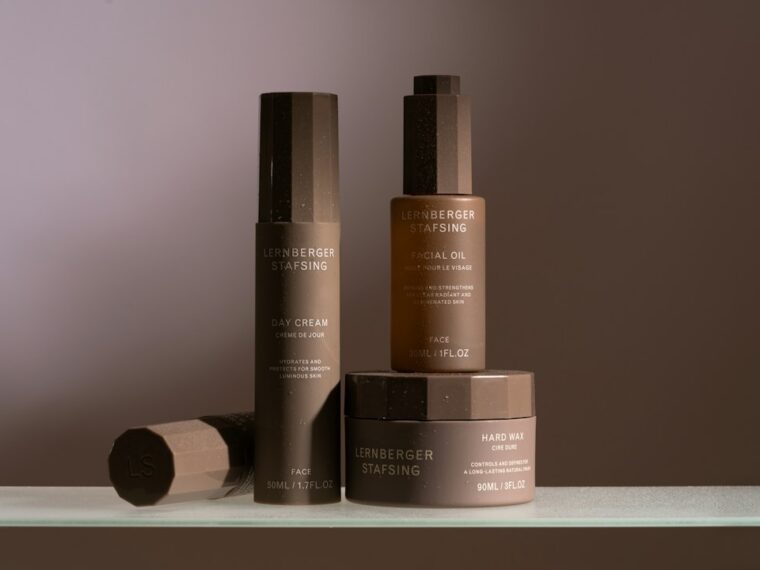
The skincare aisle can feel overwhelming. Aim for a compact, dependable kit rather than a shelf full of half‑used bottles. Many readers find this minimalist set effective:
- Gentle cleanser: fragrance‑free, low‑lather, used on necessary zones only.
- Cream moisturizer: ceramide‑containing or glycerin‑rich formula for daily overall use.
- Balm/ointment: an occlusive layer for dry‑prone or high‑friction spots.
- Soft cloths: for cool compresses and pat‑dry moments.
- Travel sizes: keep comfort handy on the go.
When testing something new, change only one variable at a time so you can judge its effect. If a product feels satisfying and non‑irritating for two weeks, it is a strong candidate to keep.
When to seek personalized guidance
This article focuses on daily care and comfort strategies. If your skin is frequently painful, if over‑the‑counter routines are not helping enough, or if you have questions about options beyond basic skincare, consider speaking with a qualified professional. Bring your notes and ask focused questions such as:
- Which everyday steps from my routine are most important to keep or adjust?
- Are there signs that suggest I should modify my cleanser or moisturizer choice?
- How can I tell whether lifestyle influences or product choices are playing a bigger role right now?
- What should I monitor over the next few weeks to judge progress?
Preparing your questions and sharing your journal entries make the conversation more productive and tailored to your situation.
Your personal handbook and where to learn more
Bookmark resources you trust and keep your notes handy. A single page with your comfort score graph, your go‑to products, and a short list of trigger patterns becomes a powerful personal handbook. If you want additional ideas and checklists, visit our in‑depth category hub for more step‑by‑step articles and practical tips: Eczema Removal guides.
Steady care will not make every day perfect, but it can make many days far more comfortable. By setting realistic goals, focusing on barrier support, and making a few smart environment and clothing choices, you give your skin the consistent, gentle attention it appreciates. That is what “eczema removal” looks like in real life: fewer friction points, calmer routines, and a plan you can keep.