This guide uses sleep hygiene routine as the starting point for the practical advice below. 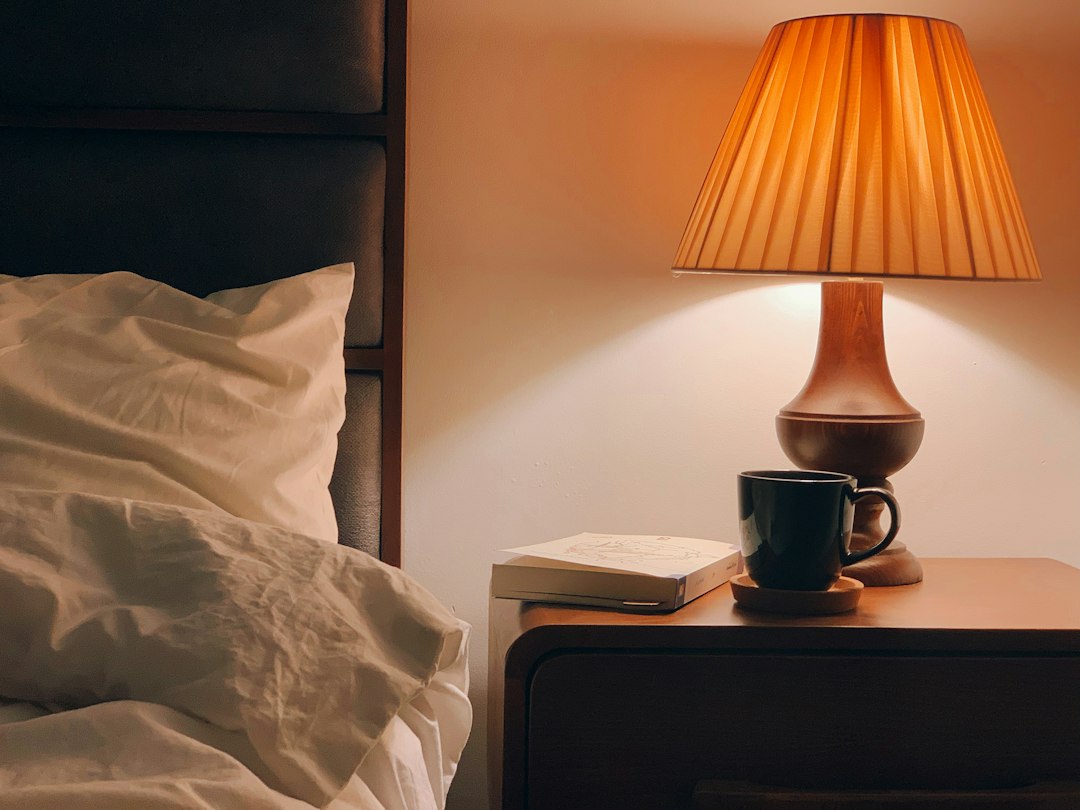
A sleep hygiene routine is a simple, repeatable set of cues that helps your body and mind recognize when it’s time to rest. If you’ve ever sworn you’d get to bed on time and then watched the clock tick past midnight, you know willpower alone doesn’t carry the night. What does help is a steady sequence of small habits—light, food, movement, and winding down—that line up with your biology instead of fighting it.
Why sleep feels hard in modern life
Sleep itself hasn’t changed much in the last few generations, but our environment has. We spend more time indoors under dim daytime light and more time at night under bright LEDs. Phones and laptops broadcast alerting light into our eyes past sunset. Meals and work spill outside usual hours. Even when we step away from email, group chats keep social demands going. None of this is a moral failing; it’s simply a mismatch between ancient rhythms and modern inputs.
Three friction points show up again and again:
- Light timing is upside down. Daytime is too dim for many of us; nighttime is too bright. Our internal clocks respond strongly to light. When the day starts gray and the evening is a festival of glare, the body’s timing cues wobble.
- Daily anchors drift. Meal timing, movement, caffeine, and social interactions all act as “zeitgebers” (time-givers). When those jump around, your system loses predictable scaffolding.
- Arousal stays high. Busy brains don’t glide to idle on their own. Without a clear off-ramp, attention keeps chasing one more thought, one more show, one more scroll.
None of this requires a harsh reboot. A workable plan looks more like gently turning the ship than yanking the wheel. The goal is to send a consistent message: mornings equal bright and active, evenings equal dim and easy. With that message repeated daily, nights often become calmer and mornings steadier.
The three levers that shape sleep
You don’t need a textbook to use what research repeatedly notices. Think of sleep as influenced by three adjustable levers. Nudge each one a little, and the combined effect feels bigger than any single change.
- Circadian timing. This is your roughly 24-hour rhythm. It is especially sensitive to light, and also pays attention to when you move, eat, and socialize. Bright light after waking says “daytime.” Lower light and calm signals in the evening say “nighttime.”
- Sleep pressure. This is the gentle build-up of the urge to sleep the longer you’re awake. A consistent wake time, natural light exposure, and daytime movement help pressure rise in a healthy curve so rest feels inviting later.
- Arousal level. This is your brain’s activation. Even with decent timing and pressure, a revved-up mind can feel wired. A predictable wind-down and a calmer evening sensory diet help the nervous system change gears.
Most practical habits in this guide touch one or more of these levers. Morning light and getting outside support circadian timing. Movement across the day supports sleep pressure. A digital sunset and a consistent ritual lower arousal. You don’t need every tool; a few well-placed changes often make the night feel different within days.
sleep hygiene routine: step-by-step
Consider this a menu you can personalize. Pick one or two items in each time block to start. As you feel steadier, add another small piece.
Morning (first 60–90 minutes)
- Brighten the day. Step outside or sit by a bright window for 10–30 minutes. Overcast still counts. If you prefer sunglasses, that’s fine—aim for overall brightness without eye strain.
- Move a little. A brisk walk, light mobility, or a short bike ride tells your system it’s “on.”
- Anchor with food and water. Hydrate and have a straightforward breakfast. Repeating a simple meal plan can reduce decision fatigue.
Midday to afternoon
- Place your caffeine window. Many people feel better when their last coffee or tea lands six to eight hours before bedtime. Sensitive to stimulants? Make the window earlier or switch to half-caf.
- Scatter movement. Every couple of hours, stand, stroll, stretch, or climb a flight of stairs. Small, frequent movement nudges pressure upward without needing a heroic workout.
- Nap with intent (if you nap). Keep it brief—about 20 minutes—and earlier in the day so bedtime still feels inviting.
Evening (two to three hours before bed)
- Run a digital sunset. Dim overhead lights and shift screens warmer and darker. The idea is to make your home feel like dusk.
- Choose a wind-down you actually enjoy. Gentle stretching, a warm shower, reading paper pages, journaling, sketching, or a calm hobby works well when repeated consistently.
- Right-size dinner. Place your larger meal earlier in the evening and, if hunger shows up later, keep the snack small and comfortable.
Bedtime
- Design the cue. A cool, dark, quiet space is a strong signal. Turn the clock face away to avoid number-watching.
- Release the mind. If thoughts feel sticky, keep a notepad on the nightstand for a one-minute “brain dump” of tasks or worries.
That’s the scaffolding. The sections below add detail, examples, checklists, and adjustment ideas so you can tailor the path to your life.
Morning anchors: light, motion, and a steady start
Morning is the most powerful time to set the day’s rhythm. Bright light after waking helps advance and stabilize your internal clock, making it easier to get sleepy around a similar time that night. A small dose of motion reinforces the signal that it’s “day.” A reliable first meal complements those cues.
Ideas that fit varied situations:
- Commute days. Park a bit farther or get off one stop early to collect 10 extra minutes of daylight. If you take a rideshare, ask to be dropped a block early and stroll the rest.
- Work-from-home days. Start your agenda while seated near a window or walk during your first audio meeting. Consider a fold-up walking pad for light steps during low-stakes calls.
- Cloudy climates or winter. Even gray skies are brighter than typical indoor light. Open blinds wide and sit close to windows during your first hour. If mornings are consistently dark, rearrange your desk to capture more natural light.
A consistent wake time matters more than a perfect bedtime. If you’re up late one night, waking within your usual 60–90 minute window (and getting morning light) helps the next night land closer to target. On days when energy is low, embrace a gentler morning routine—shorter light session, lighter motion—but keep the framework intact.
Daytime choices that make nights easier
The time between late morning and early evening is when you “charge” sleep pressure while supporting stable timing. Think of it as curating your day so nighttime feels like a natural exhale.
- Micro-movements stack up. Ten minutes here and there—carrying groceries, tidying the kitchen, standing during a phone call—often add up more reliably than a single big workout. If you enjoy structured exercise, that’s great; if not, treat normal movement like small deposits.
- Mind the caffeine edge. People vary widely. Track your personal cutoff by noticing how you feel when your last cup is at noon versus 3 p.m. If evenings feel wired, experiment with an earlier cutoff or switch to lower-caffeine options like green tea.
- Build stress glides, not spikes. When calendars stack back-to-back meetings, add a five-minute buffer to stand up, breathe, or look out a window. Short resets keep arousal from staying redlined.
- Light breaks post-lunch. A quick errand on foot or a lap around the block under daylight can sharpen afternoon focus and reduce the “nap trap.”
What about naps? Brief and earlier usually works best if you enjoy them. Set a timer for about 20 minutes. Darken the room, and when the timer goes off, get up right away and splash water on your face. If nighttime rest feels distant after napping, try cutting frequency or duration before deciding naps “don’t work for you.”
Evening wind-down: a reliable off-ramp
Evening is where many good intentions scatter. A few consistent switches make all the difference between a gentle drift and a second daytime.
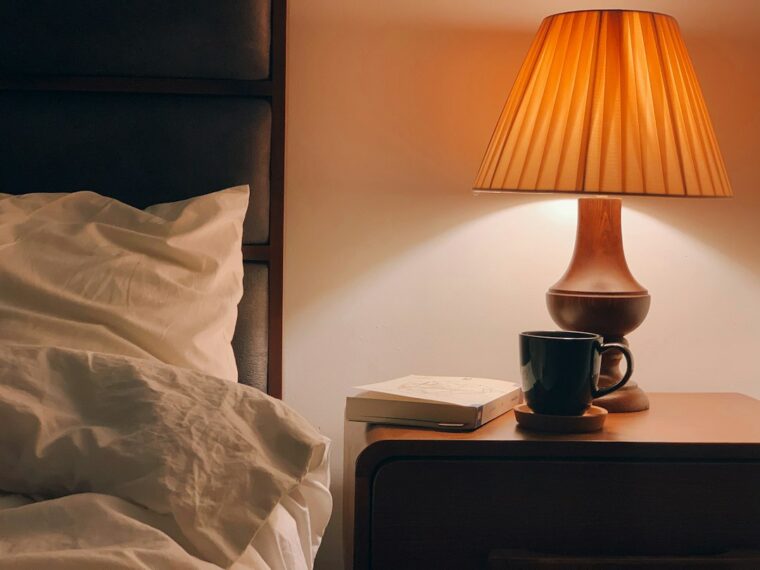
- Dim the house. Turn off the brightest overheads and rely on lamps. If your fixtures support it, choose warmer color temperatures in the evening. On screens, lower brightness and enable warmer tones.
- Design a wind-down you’ll repeat. Perfection isn’t the point—consistency is. A 20–40 minute ritual sends a clear message: we do these things, then we rest. Think: light stretching, a warm shower, a single notebook page of reflection, easy music, or a tactile hobby like knitting or puzzles.
- Curate inputs. Choose calmer shows over cliff-hangers. Trim social feeds to reduce late-night outrage. If you enjoy chatting with friends, try earlier times of day for charged conversations.
- Right-size the last meal. Many people feel more comfortable when the main dinner lands earlier. If hunger shows up later, keep a small, familiar snack on hand.
Worried that this will “take too long”? Try scaling the ritual to your day. If you worked late, do a 15-minute mini version: dim the house, take a quick warm shower, read two pages of something light, then lights out. Repeating even a shortened version keeps the association strong.
Bedroom setup: make sleep the path of least resistance
You don’t need a magazine-perfect bedroom. You need a room that quietly suggests “you can let go.” Small changes add up quickly.
- Temperature. Many people rest more comfortably when the room runs cooler. If central control isn’t yours, use a fan for air movement, choose breathable bedding, and wear lighter sleepwear.
- Darkness. Block stray light sources. Consider blackout curtains or an eye mask. Tape over bright LEDs on electronics or tuck them behind furniture.
- Noise. If your home is lively or the street is busy, add a consistent sound layer like a fan, white noise, or soft nature sounds. The goal is to blur sudden peaks.
- Clocks and trackers. Turn clock faces away and disable nighttime alerts. If you use a wearable device, check data in the morning; try not to “score-watch” in bed.
- Comfort basics. Pillows should support your neck without forcing it up or down, and your mattress should feel comfortable for your body. Comfort isn’t a luxury; it’s a permission slip to relax.
Quick bedroom checklist
- Room feels cool enough for comfort
- Stray lights blocked, curtains closed or eye mask ready
- Background noise consistent, or earplugs handy
- Clock face turned away, alerts off
- Notebook and pen nearby for a one-minute “brain dump”
If you wake at 2 a.m.: gentle resets that help
Middle-of-the-night wakeups are normal. The aim isn’t “zero wakeups”; it’s giving yourself an easy route back to drowsiness without a power struggle.
- Drop the stopwatch. Avoid tracking how long you’re awake. If it seems like you’ll be up for a bit, get out of bed calmly and move to a chair or another room.
- Keep it night-like. Use dim light. Choose a low-key activity: a paper book, a simple puzzle, gentle stretching, or an easy podcast. Skip email and intense shows.
- Use a mini-reset. Try slow breathing, progressive muscle relaxation, or a one-page journal dump to park repetitive thoughts. Approach this as a reset, not a test.
- Return when drowsy returns. The reason to step away is to protect the bed’s association with rest. When your eyes feel heavier, head back to bed.
If wakeups happen often, look gently upstream. Late caffeine, late intense workouts, bright light at night, and emotionally charged content can raise nighttime alertness. Adjust one variable at a time for a few days so you can tell what helps before changing something else.
Travel, shift-work, and social late nights: adapt without starting over
Life rarely follows a perfect routine. The trick is to keep a few anchors steady so the system stays resilient.
- Time zone travel. On short trips (two to three days), you can keep parts of your home routine—morning light at your home morning time, a familiar wind-down—so you don’t swing hard in both directions. On longer trips, adopt local morning immediately: daylight after waking, movement, and meals on local time support faster syncing.
- Late nights out. Enjoy them. The next day, get a dose of morning light, take a short daylight walk, and move your caffeine earlier. Let bedtime float later that night if needed, but avoid pushing the entire next day too far.
- Shift work. Treat your shift’s “morning” like a daytime morning: bright light right after waking (even if that’s at 5 p.m.), a short movement session, and a first meal. When it’s your “night,” dim the home environment, run a digital sunset, and make your sleep space dark and cool. Blackout curtains, eye masks, and earplugs become essential tools.
In all these scenarios, a few steady anchors—light timing, movement, and a wind-down—do more for stability than chasing perfection. Think “mostly right, most days.”
Habits that quietly undermine sleep (and what to try instead)
Some common patterns keep people stuck. Swapping them for friendly alternatives can shift your nights.
- Weekend sleep marathons → Smaller extensions. Instead of sleeping three or four hours later than usual, try waking 60–90 minutes later on days off. Your Monday self will thank you.
- Late-night debates and doomscrolling → Lighter inputs. Move heated conversations and challenging videos earlier, and let evenings be for mellow shows, audiobooks, comedy, or music.
- Using the bed for everything → Keep the bed for rest and intimacy. Work, study, and news elsewhere reduce the mind’s “this is a thinking place” association with the pillow.
- Trying five new hacks at once → One or two adjustments at a time. You’ll learn faster what helps when you make small, testable changes.
- Late intense workouts → Earlier or lighter sessions. If a late class leaves you buzzing, try earlier exercise or make the late session gentler on high-arousal days.
- Heavy late meals → Earlier dinners, lighter later snacks. Tune timing and portion sizes to what feels comfortable for you.
Tools, troubleshooting, and simple tracking
Tools can help, but they’re assistants, not bosses. Use them to enhance the basics—light, movement, and a wind-down—not to replace those fundamentals.
- Light management. Dimmable lamps, warmer bulbs, and screen settings make evenings feel like dusk. In the morning, fling open blinds or go outside for a few minutes of natural light.
- Soundscapes. A fan, white noise, or nature sounds can soften sudden noises. Pick something neutral so your brain doesn’t start listening for it.
- Aromas and tactile cues. A familiar scent in a diffuser (lavender is popular) or a soft throw can become part of your evening ritual. Comfort cues are surprisingly powerful when repeated.
- Wearables and apps. Trackers can reveal patterns, like how late caffeine shifts your bedtime. If data raises anxiety or you start chasing scores, take a break and focus on how you feel.
Troubleshooting checklist
- Is your wake time relatively consistent (within 60–90 minutes)?
- Do you get 10–30 minutes of daytime light soon after waking?
- Is your caffeine cutoff early enough for you?
- Have you scattered small movement across the day?
- Do evenings feel dimmer, calmer, and less stimulating?
- Does your bedroom quietly suggest “you can let go” (cool, dark, quiet)?
- When wakeups happen, do you use a gentle reset rather than staying frustrated in bed?
If the basics are in place but nights still feel difficult for weeks on end, consider speaking with a qualified clinician or sleep-focused professional who can offer individualized guidance. That conversation is a form of self-care, not a last resort.
Tools and trackers: how to use them thoughtfully
Devices and supplements are optional, and they’re most helpful when added after your basic routine is set. Here’s how to use them without letting them take over.
- Evening lighting gear. Smart bulbs and dimmer switches make it easy to keep evenings low and warm. A low-watt bedside lamp often beats an overhead light for the last hour of the day.
- Simple timers. Use a timer to cap the end of evening activities: an alarm to start your wind-down, and another softer chime to remind you to put the book down.
- Supplements. Many options are marketed for nighttime support. Responses vary, and some may interact with medications or personal conditions. Research cautiously and consider discussing any additions with a qualified professional familiar with your health history.
- Data with perspective. If tracking helps you notice patterns and run small experiments, keep it. If it creates stress, step away for a week and simply log a few behaviors (morning light minutes, last caffeine time) alongside a 0–10 “restfulness” rating.
Troubleshooting, seasonal tweaks, and simple tracking
As seasons change or life throws curveballs, routines benefit from small adjustments rather than dramatic overhauls. Use the ideas below to keep your system stable through variability.
Seasonal adjustments
- Winter darkness. When mornings are gloomy, sit closer to windows, open blinds fully, and spend a few minutes outdoors even if it’s cold. If you live far from the equator, place your desk where it gets maximum daylight.
- Summer brightness. Long evenings can draw you into late activities. Counterbalance by dimming indoor lights earlier and using window coverings that block neighborhood light.
- Temperature swings. Swap bedding seasonally so the room can be kept a bit cooler. Breathable sheets in summer, a light blanket you can peel on and off in shoulder seasons, and a comforter in winter simplify comfort.
Common scenarios and options
- “I get sleepy on the couch and wake up at midnight.” Try beginning your wind-down a bit earlier and moving to the bedroom at the first hint of drowsiness. Keep the bed environment inviting so it’s a pleasant move.
- “I’m wide awake at bedtime.” Examine late-day intensity: bright screens, heated conversations, vigorous workouts, or heavy reading can keep the brain switched on. Lower stimulation in the last two hours.
- “I fall asleep fine but wake too early.” Consider whether your last meal or fluids are sending you to the bathroom, whether outside light is creeping in before dawn, or whether stress spikes land early. Tighten light control and try a brief calm activity if you wake before your target.
- “My partner’s schedule is different.” Use earplugs or white noise and small, personal lamps to reduce disturbance. Align on a few shared anchors (no bright lights in the bedroom, no loud alerts at night) to support each other.
Simple one-minute daily log
- Wake time: __:__
- Morning light: minutes outside/near window
- Last caffeine: time
- Evening lights dimmed by: time
- Wind-down done: yes/no
- How restful did the night feel (0–10)?
After five to seven days, patterns usually emerge. You might notice that morning light on Monday–Wednesday aligns with earlier drowsiness midweek, or that a late coffee shifts your bedtime. Adjust one thing, give it a few days, and watch what changes.
Putting it all together: your one-page plan
Make a short plan you can actually keep. Post it on the fridge or save it as a phone note. Keep it friendly and flexible so it survives real life.
- Wake window: I’ll wake between [time] and [time] most days, including weekends within 60–90 minutes of weekdays.
- Morning anchors: 10–30 minutes of daylight + a few minutes of movement + a simple breakfast and water.
- Daytime rhythm: Last caffeine by [time]; 2–3 micro-movement breaks; short early nap if needed.
- Evening off-ramp: Lights dimmed 2–3 hours before bed; a 20–40 minute wind-down I enjoy; warmer screen settings or fewer screens.
- Bedroom basics: Cool, dark, and quiet; clock face away; notebook at the bedside.
- Midnight reset: If awake and alert, move to a chair in dim light for a low-key activity until drowsy returns.
Your nights don’t have to be perfect to feel better. A handful of consistent signals—light in the morning, a calmer evening, a room that invites letting go—often change the story more than any single hack. Start where it feels easiest, stack wins gently, and let routine do the heavy lifting.
For more practical well-being guides, explore Beauty Health View for additional ideas you can test at your own pace.