If you want a Nighttime Skin Care Routine that you can repeat on ordinary evenings, the answer is usually simpler than the internet makes it look. The goal is not to build a bathroom shelf full of products. It is to create a calm sequence that fits real life, supports your skin’s comfort, and takes less mental energy when you are already tired.
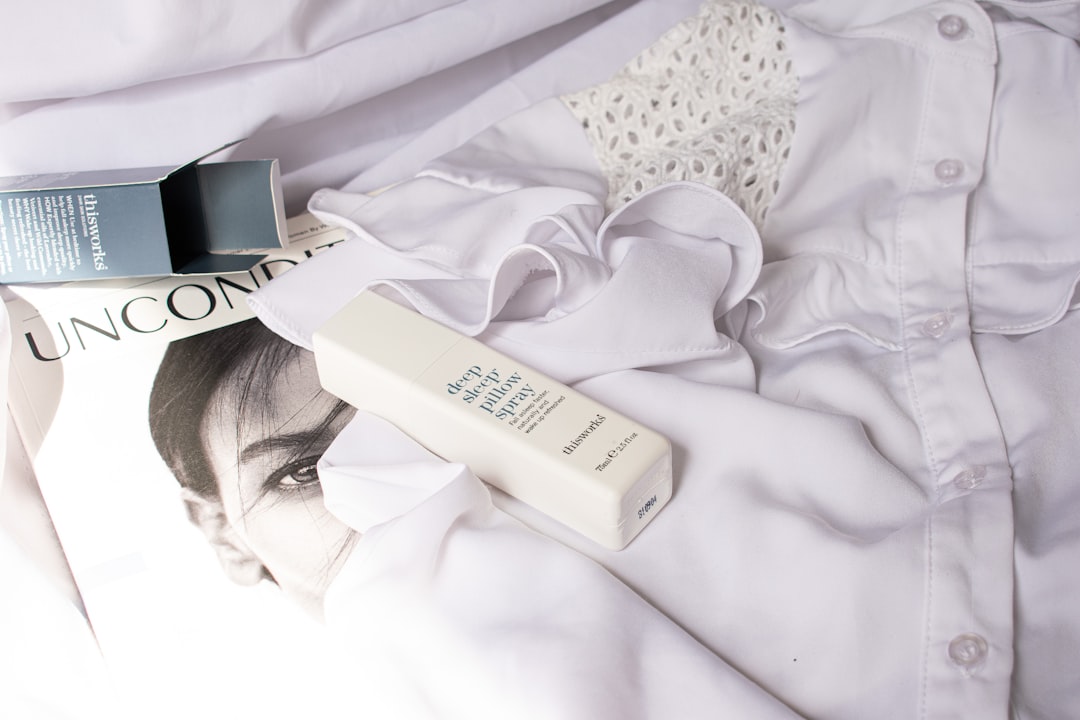
That is why I like to think about the evening as a reset, not a performance. You are not trying to do everything. You are trying to do the right things in a steady order, with enough consistency that your skin gets a predictable rhythm. For more related ideas, browse our Skin Maintenance section.
Once you stop chasing complicated steps, the whole process gets easier to keep. You can choose a cleanser that feels gentle, a moisturizer that feels comfortable, and one or two extra steps only when they truly earn their place. That is the version most people can live with for months, not just a few enthusiastic nights.
What a Nighttime Skin Care Routine is really for
A Nighttime Skin Care Routine has a narrow job, and that is good news. It is there to clear away the day, settle the skin, and leave the surface feeling comfortable enough for sleep. It is not a test of discipline. It is not a ritual that has to look impressive. It is a practical habit with a simple outcome: your face feels calm enough to rest.
The evening is different from the morning because you are not rushing toward weather, work, or outside air. You have more room to remove the buildup from the day, add moisture back in, and make a few thoughtful choices. That difference matters. At night, your routine can be slower, richer, and more focused on comfort. That does not mean more products. It means better order and better timing.
When people get frustrated, it is often because they try to make the night routine do too many jobs at once. They want glow, smoother texture, fewer dry patches, and a feeling of freshness all in one pass. That is understandable, but the more useful approach is to ask a smaller question. What does my skin need tonight to feel settled by morning? Once you answer that, the rest is much easier.
I also think it helps to separate intention from outcome. A good routine can support hydration, reduce visible roughness, and help your skin feel less reactive after the day. But it cannot do the work of sleep, hydration, stress management, or a balanced day-to-day rhythm. If your evenings are chaotic, a perfect product list will not rescue them. A steady, realistic routine will help more than a polished one you cannot keep.
That is why the most useful night routine is often the one that feels almost boring. A simple cleanser, a well-matched moisturizer, and one additional step if needed is enough for many people. Boring routines are repeatable. Repeatable routines are the ones that actually show up in your life.
Build the routine backwards from bedtime
If you have ever stood in front of the mirror at 11 p.m. and wondered what to do first, try this instead. Build the routine backwards from the moment you want to be in bed. Start with the end point, then work in reverse. That way, the routine fits your evening instead of competing with it.
Ask yourself what has to happen before lights out. Do you need a shower first? Do you need to wash your face after cooking or exercising? Do you need a few minutes to let a moisturizer settle before you lie down? When you think in reverse, the sequence gets practical fast. You stop shopping for a routine and start designing one.
A simple version might look like this. If you shower in the evening, you cleanse after the shower or during it, then move straight to moisture. If you wear makeup or heavier day products, you remove them before cleansing. If your skin is feeling dry, the moisturizer comes earlier in the process and the rest of the evening gets built around that step. Each choice becomes easier when it is attached to your actual night.
This kind of planning also helps with consistency. A routine that depends on motivation tends to disappear on the busiest days. A routine that is tied to fixed moments, like after dinner, after exercise, or right before you change into sleep clothes, is easier to keep. Habit follows cue. If the cue is clear, the routine feels lighter.
One more thing matters here. Make the order visual. Put the products you use in the same spot every night. Keep the ones you use first at the front. Put anything optional out of the main path. Small design choices save more energy than people expect. The less you have to think, the more likely you are to do the routine without bargaining with yourself.
When a routine feels too long, the problem is usually not the products. It is the number of decisions. If you remove a few decisions and fix the order, the same routine can suddenly feel easy enough to repeat six nights a week instead of one.
Start with a gentle cleanse and keep it simple
The first step in a Nighttime Skin Care Routine is usually cleansing, but the useful part is not the step itself. It is the way you think about it. The evening cleanse is there to clear away the day without leaving the skin stripped or tense. That means you want enough cleaning power to remove buildup, but not so much that your face feels squeaky or tight afterward.
For many people, a gentle cleanser is enough. If your day has been light, that may be all you need. If you wear makeup, sunscreen, or richer products during the day, you may need a first pass to loosen that layer before the main cleanse. What matters is not impressing anyone with a complex method. What matters is ending up with a clean surface that still feels comfortable.
I like to keep the cleanse step very clear. Wet the skin, use a small amount of cleanser, massage lightly, and rinse well. There is no prize for scrubbing harder. Pressure does not equal better results. In fact, the more irritated the skin feels, the more the rest of the routine has to work just to restore comfort.
If you wear heavier makeup or long-lasting sunscreen, a first cleanse can be useful. But even then, the aim is still calmness, not force. Think of it as loosening the day, not attacking your face. A soft cloth, a cleanse with your hands, and lukewarm water are often enough. Very hot water can make the process feel harsher than it needs to be, so a温和温度 is usually the better choice. If a product leaves your skin feeling clean but tense, that is a clue to step down and reassess.
Some people are tempted to chase a stronger cleanser when their skin looks dull or feels oily by bedtime. But dullness is not always a cleaning problem, and oiliness is not a reason to strip the face harder. Often, a steadier cleanse and a better moisturizer do more than a stronger product ever could. The skin likes balance more than drama.
Here is the simplest version. Cleanse well enough to remove the day, stop before the face feels uncomfortable, and move on. That one habit makes the rest of the routine easier to manage.
Choose one targeted step and stop there
Many people make the Nighttime Skin Care Routine complicated because they add every interesting product they own. A serum here, a lotion there, a fancy mask on top, and suddenly the evening feels like a chemistry assignment. A better approach is to choose one targeted step that has a clear job, then leave it at that.
That step might be a hydrating serum, a texture-focused product, or something aimed at visible dullness. The exact choice matters less than the discipline around it. One focused step is easy to track. Three overlapping steps are hard to evaluate. If you cannot tell which product is helping, the routine becomes guesswork.
To keep this section practical, ask three questions before adding anything new. What job is this product supposed to do? Where does it fit in the order? And am I already getting that job from something else? If the answer to the third question is yes, you may not need the new item at all.
This is especially useful on nights when your skin already feels comfortable. If the day was ordinary, there is no need to stack layers just because you have the time. That is how routines turn from helpful into exhausting. The best routines leave some room to breathe.
It also helps to give each product a season. You may use one item more often in dry weather, another when the air is heavy, and another only when your skin feels out of sorts. That is far easier than trying to make every product relevant on every night. A routine with boundaries is easier to keep because it has fewer reasons to change all the time.
If you are unsure whether a new step deserves a place, give it a trial period in your mind before your bathroom shelf does. Picture how it fits into a regular Tuesday night. If the answer feels clumsy or forced, the product is probably not earning its spot yet. Useful routines are built around real evenings, not ideal ones.

Let moisturizer do the heavy lifting
If I had to choose the one step that carries the most weight in a Nighttime Skin Care Routine, it would be moisturizer. A good moisturizer can make the entire routine feel more comfortable, more stable, and more worth repeating. It is the step that helps the skin feel cared for after cleansing and after any other product you choose to use.
What people often miss is that moisturizer is not only about feeling soft for a few minutes. It is about the texture you live with through the evening and into the next morning. The right formula can make the difference between a routine that feels polished and one that feels irritating. If your skin feels tight, the moisturizer step deserves attention before anything else.
Think about thickness, texture, and finish. A lighter lotion may feel perfect on a warmer night. A richer cream may feel better when the air is dry or when your skin has been exposed to a long day. There is no moral value in choosing the richer or lighter option. The better choice is the one that feels good on your skin and fits the season you are in.
Application matters too. Use enough product to create a comfortable layer, but do not smother the skin just for the sake of using more. Press it in gently, spread it evenly, and give it a moment to settle before lying down if you can. That short pause can make the whole routine feel more finished.
If you are trying to simplify your products, a dependable moisturizer is often the place to start. Many people do better when they invest more attention in this one item than in three separate extras. A routine with a strong moisturizer and a quiet evening usually goes further than a routine with five special steps and no consistency.
It is also the easiest step to adapt. You can use more in dry months, less in humid weather, and a different texture when your schedule is packed. That flexibility is why moisturizer belongs at the center. It is the anchor that helps the rest of the routine make sense.
Use small add-ons with clear jobs
Extra steps can be useful, but only when they have a clear job. That is the rule I come back to again and again. If a step does not have a clear job, it belongs in the optional pile. The minute you start adding things because they look smart or because a shelf is already full, the Nighttime Skin Care Routine starts to lose its shape.
One way to keep things honest is to group add-ons by purpose. Some are for extra hydration. Some are for a more polished surface feel. Some are there only on certain nights when your skin wants a little more attention. Each group should stay small. The moment one purpose turns into three overlapping products, you are probably doing too much.
I like to think in terms of job titles. A targeted serum has one title. A mask has one title. An eye product has one title. If a product cannot answer the question, “Why are you here tonight?” then it may not belong in the routine. That sounds blunt, but it saves a lot of money and a lot of time.
This section is also where people tend to overestimate how much change a product can create overnight. Most extra steps work best as support, not as the centerpiece. They can help the routine feel more complete, but they should not be allowed to make the routine fragile. If one product is unavailable and the whole process collapses, the routine is too dependent on extras.
For practical use, keep your add-ons in the same category as seasoning rather than the main meal. A small amount can improve the experience. Too much makes the result harder to enjoy. That is why I recommend setting a limit before the night begins. Decide in advance which extra step you will use, if any, and leave the rest for another evening.
That kind of boundary reduces decision fatigue. It also makes your routine easier to understand. You are not trying to become a collector of products. You are trying to build a repeatable process that supports the skin and fits the life you actually lead.
How to build a Nighttime Skin Care Routine that fits a real evening
A Nighttime Skin Care Routine works best when it fits the shape of your actual evening. That means your skin type, your schedule, your climate, and your habits all deserve a say. A routine that ignores those details may look tidy on paper, but it is less likely to survive a weekday night.
If your skin feels dry by the end of the day, you may need a gentler cleanse and a richer finish. If your skin feels oily late at night, a lighter moisturizer may feel more comfortable. If your skin feels easily flushed, simplify the routine and keep the products calm and familiar. If your skin changes with the season, let the routine change too. Consistency does not mean rigidity.
Dry, oily, combination, and easily flushed skin
Dry skin often does better with less friction and more comfort. That may mean a cleanser that feels soft and a moisturizer that gives a fuller finish. Oily skin may prefer a lighter feel at night, especially if the day already included richer products. Combination skin usually benefits from selective use, which means paying attention to where the skin needs more support and where it needs less. Easily flushed skin tends to respond well to simple, familiar steps and fewer experiments.
None of that is meant to box you in. It is meant to remind you that skin care is personal by design. The internet likes universal rules, but real faces are not universal. A routine that feels right in winter may feel heavy in summer. A routine that works after a quiet day may feel too much after a late workout. That is normal.
The easiest way to adapt is to keep the base routine stable and adjust only one variable at a time. Change the cleanser or the moisturizer, not both. Add one extra step or remove one, not four. That way, you can tell what is working and what is simply adding noise. A routine that changes in tiny pieces is much easier to trust.
This is also where a small amount of patience helps. New routines can feel odd for a while because they are unfamiliar, not because they are wrong. Give yourself a little time to see how the pattern feels after a week of ordinary nights. Often the right routine is the one that becomes invisible after a few repetitions.

Common mistakes that make evenings feel harder
Most routine problems come from a few predictable mistakes. The first is adding too many steps. The second is changing too many products at once. The third is making the evening feel like a project instead of a habit. Once you see those patterns, the fix becomes easier.
One common mistake is overcleansing. People think a stronger cleanse will solve everything, but the skin often responds better to calm consistency than to force. Another mistake is stacking too many layers in the hope that more product will equal more comfort. In practice, too many layers can make the routine feel heavy and harder to repeat. A third mistake is choosing products because they sound impressive rather than because they fit the actual evening you live.
There is also the subtle mistake of inconsistency. A routine that changes every other night is hard to understand. You cannot tell which step matters if the pattern keeps shifting. That is why I prefer a base routine that stays the same most nights, with one optional step that moves in and out depending on how the skin feels.
Another thing people do is borrow someone else’s routine without translating it to their own life. That can be useful as inspiration, but it is not the same as a plan. Your climate, your sleep time, your commute, and your patience are part of the equation. If a routine only works when you have an hour of free time, it is not really a routine. It is a fantasy.
A useful correction is to ask what you can remove without losing the point. Could you skip a product and still feel comfortable? Could you make the order simpler? Could you shorten the routine by a few minutes and still keep the main benefit? Those are better questions than how to add more. Most of us need fewer moving parts, not more.
When your evening starts to feel complicated, do not assume you need a smarter system. You may only need a smaller one.
A weekly maintenance plan you can repeat
The easiest Nighttime Skin Care Routine to keep is the one that has a weekly shape. Instead of trying to make every night identical, give your week a simple rhythm. That way, you can keep the base routine stable and let the extras appear only when they make sense.
A useful weekly plan might look like this. Most nights, you cleanse and moisturize. On a few nights, you add one targeted step that has a clear purpose. On especially dry or tiring days, you choose the richer moisturizer and keep everything else quiet. On busy nights, you keep the routine short and stop after the essentials. The plan stays flexible, but it is not random.
That approach helps with product use too. Products last longer when they are used with intention. More importantly, your routine becomes easier to evaluate. If you are changing one variable at a time over the week, you can tell what you actually like and what you only thought you liked. That is a better use of your energy than chasing novelty every night.
I also recommend keeping a light mental note of what the skin felt like the next morning. Not a strict log, just a memory check. Did the routine feel comfortable? Did it feel too heavy? Was the cleanser fine but the moisturizer a little light? Those small observations are enough to guide the next week without turning your life into a spreadsheet.
Here is a simple maintenance checklist that keeps the process realistic.
- Keep a base routine that works on ordinary nights.
- Use one targeted step only when it has a clear job.
- Adjust texture and richness with the season.
- Notice whether the routine feels easy to repeat after a long day.
- Remove steps that make the evening feel crowded.
- Leave space for rest so the routine does not become the main event.
If you keep that rhythm, the routine starts to take care of itself. It becomes part of the night rather than a task you have to negotiate every time.
What a routine that lasts actually looks like
The routines that last are rarely the ones with the most products. They are the ones with the least friction. They fit the same life you already have, they respect your energy at the end of the day, and they make your face feel comfortable without asking for a dramatic effort in return. That is what makes a Nighttime Skin Care Routine sustainable.
When people ask for the best routine, I think the better question is, “Which version can I repeat on a tired night without resenting it?” That version is usually the better one. It may be quieter than you expected. It may use fewer steps than the videos suggest. It may look almost ordinary. That is a good sign.
Ordinary routines are not boring in the way people fear. They are dependable. They reduce the amount of negotiation between you and the mirror. They keep the evening moving. They let your products do their jobs without turning the room into a lab. If you can keep a routine on the nights when you are tired, busy, or distracted, then it has a real place in your life.
The final test is simple. If your routine makes the end of the day feel calmer, lighter, and easier to repeat tomorrow, it is working. If it keeps expanding, demanding attention, or making you feel behind before bed, it needs to shrink. The best evening habits are the ones that leave you with a little more quiet, not a little more pressure.
That is the version worth keeping.