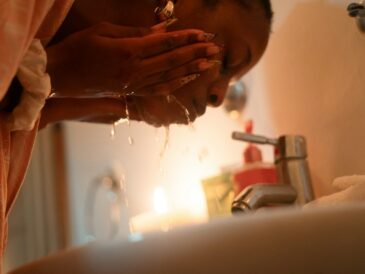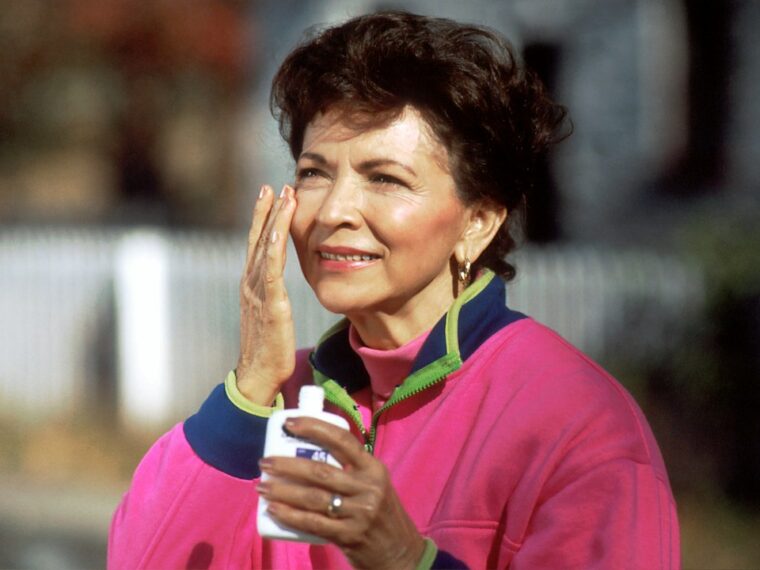
Here’s the best moisturizer for dry mature skin: pick a rich, fragrance-free cream that combines barrier lipids (ceramides, cholesterol, fatty acids) with deep hydrators like hyaluronic acid and glycerin, then use an SPF 30+ moisturizer in the morning and a thicker lipid-rich cream at night; match texture to your climate (lotion in humidity, cream or balm in dry cold) and make sure it won’t pill under makeup—see our picks and $/oz value bands below.
In short, to get comfortable, soft-feeling skin fast, use a daytime moisturizer with SPF 30 or higher, and a denser, fragrance-free cream at night; if you live somewhere humid, a lotion may feel better, while in winter a cream or balm may suit you more. Choose non-comedogenic options if you’re acne-prone, and layer thinly so sunscreen and makeup sit smoothly.
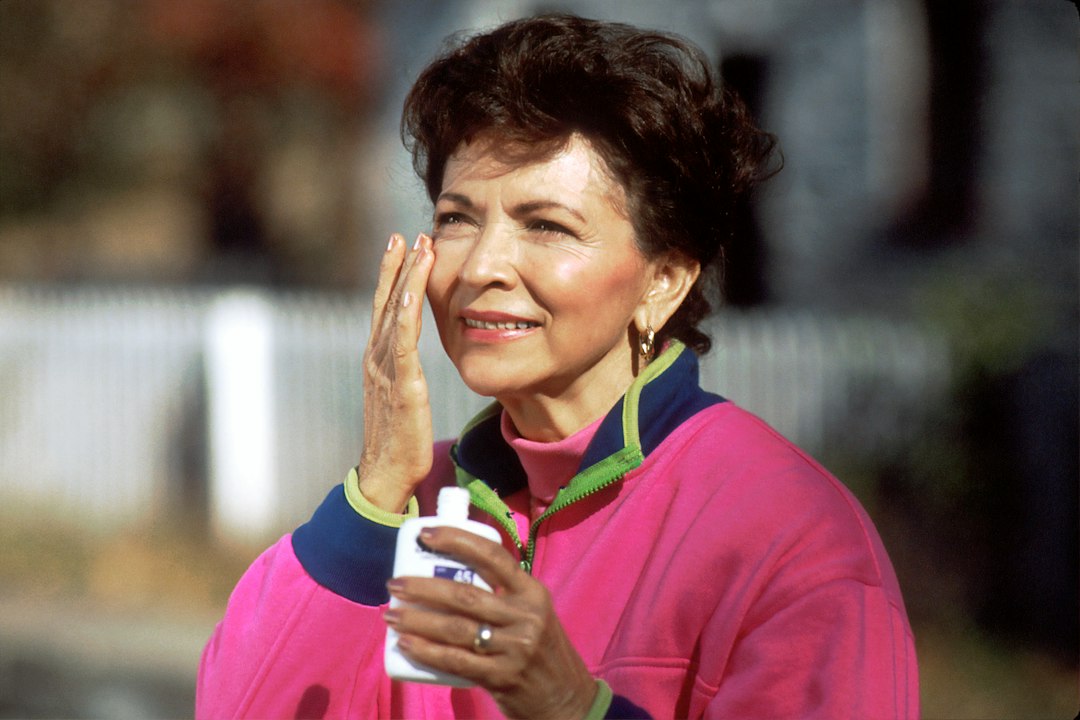
Best Moisturizer for Dry Mature Skin: Quick Answer, Picks, and Value
Quick answer: barrier lipids + humectants win. Use SPF by day, a richer cream by night.
Fast picks by scenario (based on common brand claims; check brand sites for latest details):
- Drugstore (fragrance-free, rich): classic ceramide creams and squalane/sheabutter blends.
- Mid-range (lipid + humectant balance): triple lipid creams with peptides.
- Premium (lush texture): lipid-peptide creams labeled for barrier support.
- With SPF (AM): fragrance-free SPF 30+ moisturizers from sensitive-skin lines.
- Sensitive skin: simple ceramide creams labeled fragrance-free and dye-free.
- Non-comedogenic: lighter creams or lotions that specify “non-comedogenic.”
Value snapshot: as a general guide, many solid options fall into rough bands—under $20 (value), $20–$60 (mid), and $100+ (luxury). Cost per ounce often tracks the same bands: roughly low ($1–$3/oz), mid ($5–$15/oz), and high ($25+/oz). Prices change; check the brand’s site for current numbers.
Climate fit tips:
- Humid climate: lotion or gel-cream, lighter finish to avoid a heavy feel.
- Dry or cold climate: cream or balm; look for shea butter, squalane, petrolatum blends.
- Seasonal swap: keep a lighter AM lotion for summer and a richer PM cream for winter.
No-pill tip: let watery layers dry 60–90 seconds, apply a thin SPF layer, then press—don’t rub—your makeup on.
What to Look For: Ingredients That Work on Dry, Mature Skin
Dry, mature facial skin often benefits from replenishing what time and climate take away: barrier lipids and lasting humectants. Here’s how to read labels with purpose.
Barrier builders
Look for creams that include ceramides, cholesterol, and fatty acids together. This trio helps support a comfortable-feeling barrier. Emollients like shea butter and squalane add slip and softness, helping rough patches look smoother under makeup.
Hydrators
Hyaluronic acid (multiple molecular sizes) and glycerin pull water into the surface layers for a fresh look. Multi-weight HA can feel more forgiving because smaller and larger sizes sit at different levels, while glycerin is a dependable workhorse in many classic creams.
Optional extras
Peptides are commonly included for a firm-feel focus, and niacinamide may support an even look and a calm-feeling barrier in many routines. If you’re sensitive, avoid added fragrance and essential oils.
SPF for morning ease
A moisturizer with SPF 30+ is convenient for daily wear. If your moisturizer lacks SPF, layer a separate broad-spectrum sunscreen over your cream. For a deeper dive on keeping your skin’s barrier comfortable, see our practical guide: Skin barrier support: a practical guide to routines, products, and habits.
Day vs. Night: How to Layer Without Pilling
Think of day and night as different jobs for your moisturizer: daytime focuses on comfortable wear with sun protection and makeup friendliness; nighttime leans into richness and cushion.
AM routine (makeup-friendly)
- Cleanse with a gentle, non-stripping cleanser.
- Optional: a hydrating serum (glycerin/HA). Let it settle 60–90 seconds.
- Moisturizer (lotion or cream). Aim for a pea-to-almond sized amount depending on face size and dryness.
- If your moisturizer doesn’t include SPF: apply a broad-spectrum SPF 30+ layer. Give it a minute to set.
- Makeup: press tinted products on rather than aggressively rubbing to reduce pilling.
PM routine (richer and soothing)
- Cleanse. If you wear makeup, remove gently first, then cleanse. Our roundup may help: Best make up remover: quick picks by skin and budget.
- Optional actives: If you use retinoids or exfoliants, apply a small amount and let it sink in. To dial down discomfort, “buffer” by applying a thin layer of moisturizer first, actives second, then a touch more moisturizer.
- Richer moisturizer: cream or balm depending on climate and skin feel.
- Optional: a thin occlusive swipe on the driest patches only if needed.
Anti-pilling sequence and amounts: keep layers thin, allow 60–90 seconds between steps, and avoid rubbing products back and forth after they start to set. If pilling persists, reduce total product or switch to a lighter texture under SPF.
Want a simple framework you can stick to? See our step-by-step routines: Skin maintenance routine: simple steps that stick and a realistic evening plan in Nighttime Skin Care Routine: Simple Steps That Stick.
Dry vs. Dehydrated: Match Texture and Ingredients
People often mix these up. Dry skin lacks oil; dehydrated skin lacks water. Mature skin can be both, which is why a one-note formula sometimes underdelivers.
- Dry (lipid-poor): Prioritize ceramides, cholesterol, fatty acids, shea butter, and squalane. A cream or balm helps seal comfort.
- Dehydrated (water-poor): Focus on humectants such as glycerin and hyaluronic acid in a lighter cream. If your air is very dry, add a thin occlusive as a final step to lower water loss.
- Combo or acne-prone areas: Use a non-comedogenic lotion on the T-zone while staying with a richer cream on dry patches. You can mix textures across different parts of your face.
Patch testing on a small area is a practical way to check how a new product sits with your routine. Give it at least a few evenings before calling it a mismatch.
Common Mistakes and Who This Isn’t For
- Over-exfoliating: Using strong exfoliants too often can leave the face tight and flaky. Dial back to once or twice a week, or temporarily pause if you feel discomfort.
- Only humectants in dry air: In low humidity, a water-only strategy can backfire. Pair humectants with lipids and a light occlusive if needed.
- Skipping SPF: Daily UV exposure is a top reason skin feels rougher over time. A moisturizer with SPF 30+ can help make this step easy.
- Using too little product: A pea to nickel size, depending on texture and face size, is a common range for even coverage.
- Heavy balms on congestion-prone T-zones: If you clog easily, reserve thick occlusives for cheeks or dry spots and choose a non-comedogenic cream for the center of the face.
- Packaging matters: Pumps and tubes help keep formulas fresher than wide open jars because they reduce air exposure and drying in the pot.
For a deeper overview of building a calm-feeling barrier routine, this guide is handy: Skin barrier support: a practical guide to routines, products, and habits.
Will It Work for Me? A 7-Day Fit Test and Timeline
Most reliable moisturizers show their character quickly. Use this one-week plan to decide if a formula belongs in your lineup.
- Day 1–2: Immediate comfort lift. Skin feels less tight after cleansing. No stinging on application. Makeup sits more smoothly.
- Day 3–4: Fewer visible flakes. Afternoon dryness shows up later or not at all. If you’re greasy by noon, you may be using too much—dial back the amount or switch your AM layer to a lighter lotion.
- Day 7: Sustained comfort through the day. Fine texture looks smoother under foundation. If you still feel tight or notice persistent shine, adjust texture (lighter for shine, richer for tightness) or tweak how much you use.
Track your experience with this mini checklist:
- Tightness after cleansing: better / same / worse
- Flakes around nose/cheeks: fewer / same / more
- Shine by midday: none / some / a lot
- Makeup pilling: never / occasionally / often
- Comfort by bedtime: good / fair / poor
Best moisturizers for dry mature skin: comparison guide
The table below summarizes textures, key ingredients, fragrance status, non-comedogenic notes, SPF, and value bands. Details reflect common publicly available brand statements; prices and sizes vary—verify on brand sites.
| Product | Texture | Key lipids & humectants | Fragrance-free? | Non-comedogenic? | SPF 30+? | Best for | Layering/pilling notes | Price (USD) | Size (oz) | Cost per oz |
|---|---|---|---|---|---|---|---|---|---|---|
| Ceramide-rich cream (e.g., classic drugstore ceramide cream) | Cream | Ceramides, cholesterol, fatty acids; glycerin | Yes (brand dependent) | Often stated by brand | No | Daily barrier comfort; winter | Works under SPF; allow 60–90s to set | Under $20 (value band) | Varies (1.7–19 oz typical) | Low (~$1–$3/oz band) |
| Vanicream-style cream (simple sensitive-skin formula) | Cream | Petrolatum blend, glycerin, hyaluronic acid (varies) | Yes | Often stated by brand | No | Sensitive, fragrance-avoidant users | Minimalist, tends to layer well | Under $20–$30 | Varies (4–16 oz typical) | Low (~$1–$3/oz band) |
| La Roche-Posay Toleriane Double Repair UV SPF 30 (AM) | Lotion/cream | Ceramide, niacinamide, glycerin | Yes | Brand states yes | Yes | Daytime ease with SPF; normal to dry | Thin SPF layer; press makeup | $20–$30 | Varies (~2.5 oz typical) | Mid (~$8–$12/oz band) |
| First Aid Beauty Ultra Repair Cream (PM comfort) | Cream | Shea butter, squalane, glycerin | Yes | Not always specified | No | Very dry patches; night | Can be spot-applied over serum | $20–$40 | Varies (2–6 oz) | Mid (~$5–$10/oz band) |
| Olay Regenerist Fragrance-Free (mid-range) | Cream | Niacinamide, peptides, glycerin | Yes (fragrance-free variant) | Brand states yes | No | Makeup-friendly daytime comfort | Allow to set before SPF | $25–$45 | Varies (~1.7 oz typical) | Mid (~$12–$20/oz band) |
| Paula’s Choice Omega+ Complex (lipid focus) | Cream | Omega fatty acids, ceramides, glycerin | Yes | Brand states yes | No | Dry, dull-feeling phases | Rich; use less under SPF | $30–$45 | Varies (~1.7 oz) | Mid (~$15–$25/oz band) |
| Skinfix Barrier+ Triple Lipid-Peptide (premium) | Cream | Triple lipids, peptides, glycerin | Yes | Brand states yes | No | Plush night comfort | Best at PM; may be heavy under makeup | $50–$80 | Varies (~1.7 oz) | High (~$30–$45/oz band) |
| Neutrogena Hydro Gel-Cream (fragrance-free variant) | Gel-cream | Hyaluronic acid, glycerin | Yes (variant-dependent) | Brand states yes | No | Dehydrated feel; humid climates | Thin layer under SPF; add lipids at night | $15–$25 | Varies (~1.7 oz) | Mid (~$9–$15/oz band) |
| Rich occlusive balm (spot use, PM) | Balm | Petrolatum/squalane blends | Yes (often) | Not always specified | No | Sealing driest patches overnight | Very thin layer; avoid T-zone if clog-prone | $5–$20 | Varies (0.7–3.5 oz) | Low (~$2–$6/oz band) |
Note: Product availability, ingredient lists, and pricing bands shift; verify details on the brand’s site before buying.
How to Choose in 30 Seconds: Quick-Buy Checklist
- Use-case: AM with SPF, PM rich cream, or both?
- Climate/humidity: humid (lotion/gel-cream) or dry/cold (cream/balm)?
- Works with actives: layering with retinoids/exfoliants or none?
- Sensitivity: fragrance-free and dye-free if you react easily.
- Budget band: under $20, $20–$60, or $100+.
- Texture preference: lotion, cream, or balm.
- Acne-prone: look for non-comedogenic on the label; use lighter textures on T-zones.
If you want a deep dive into a popular value pick, this review explains texture and ingredients clearly: CeraVe Moisturizing Cream review: does it fit your skin?
Frequently Asked Questions
What is the best cream for older dry skin?
There isn’t a single universal winner because climate, sensitivity, and texture preferences vary. A dependable starting point is a fragrance-free cream that combines ceramides, cholesterol, fatty acids, and humectants like glycerin and hyaluronic acid. Adjust thickness by season: lotion in summer humidity, cream or balm in winter.
What is the best time to apply moisturizer?
Apply within a minute of cleansing while the face is still slightly damp to help lock in comfort. In the morning, use an SPF 30+ moisturizer or add a sunscreen on top. At night, use a richer cream and, if needed, a thin occlusive on dry patches.
What is the difference between lotion and moisturizer?
“Moisturizer” is a broad category; lotions, creams, and balms all fall under it. Lotions are lighter and waterier; creams are richer and more emollient; balms are the thickest and most occlusive. Choose based on climate and how your face feels throughout the day.
Is a high-end moisturizer better than a drugstore one for dry mature skin?
Not necessarily. Many drugstore creams include the same core lipids and humectants as high-end jars. Premium products may add textures you enjoy or extras like certain peptide blends. If value matters, use ingredient lists and our table’s bands to compare cost per ounce.
What is the best moisturizer for aging skin over 60 with SPF?
Look for a fragrance-free SPF 30+ lotion or cream marketed for normal to dry skin with ceramides and glycerin. If you feel dry by afternoon, layer a richer, non-SPF cream at night to balance comfort.
Do I need a non-comedogenic moisturizer if I’m acne-prone but dry?
It can help to look for “non-comedogenic” on the label and to choose lighter textures (lotion or gel-cream) for the T-zone, reserving richer creams for cheeks and dry patches. Adjust amounts and give yourself a 7-day fit test to judge comfort.
When your moisturizer fits your routines and climate, comfort usually follows. Use the quick checklist, choose one formula for day and one for night, and keep the rest of your routine simple so your moisturizer can shine.