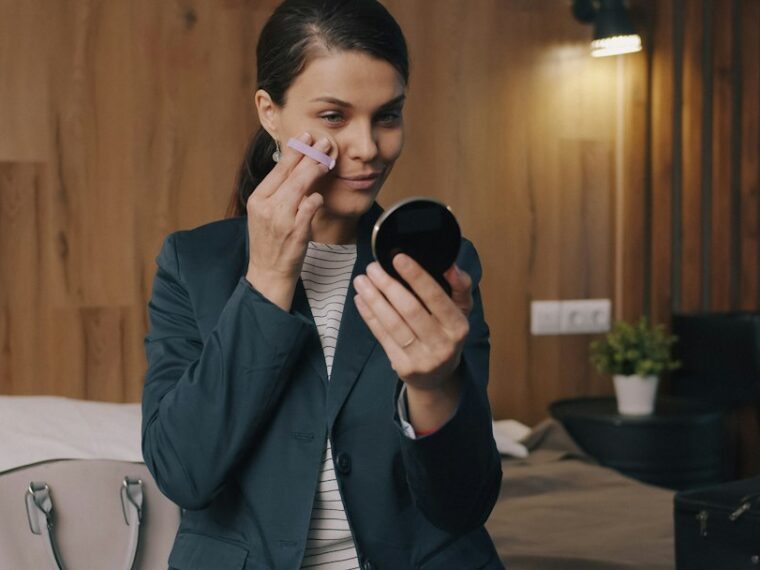
Yes—if the lotion is gentle, fragrance‑free, and labeled non‑comedogenic, you can use it on your face. That’s the simple answer to can you put lotion on your face. Avoid heavy, perfumed, or strongly exfoliating body lotions; patch‑test first. Apply a pea‑ to dime‑size amount on damp skin and wait 1–3 minutes before sunscreen or makeup to reduce pilling.
If your skin is oily or breakout‑prone, stick to light gels or lotions and go easy on the amount. If your skin is dry or normal, a simple, unscented cream can work, especially in dry weather. Sensitive skin tends to like minimal‑ingredient, fragrance‑free formulas. In all cases, layer moisturizer before sunscreen in the morning, and give makeup a little extra settling time so it lays smoothly.
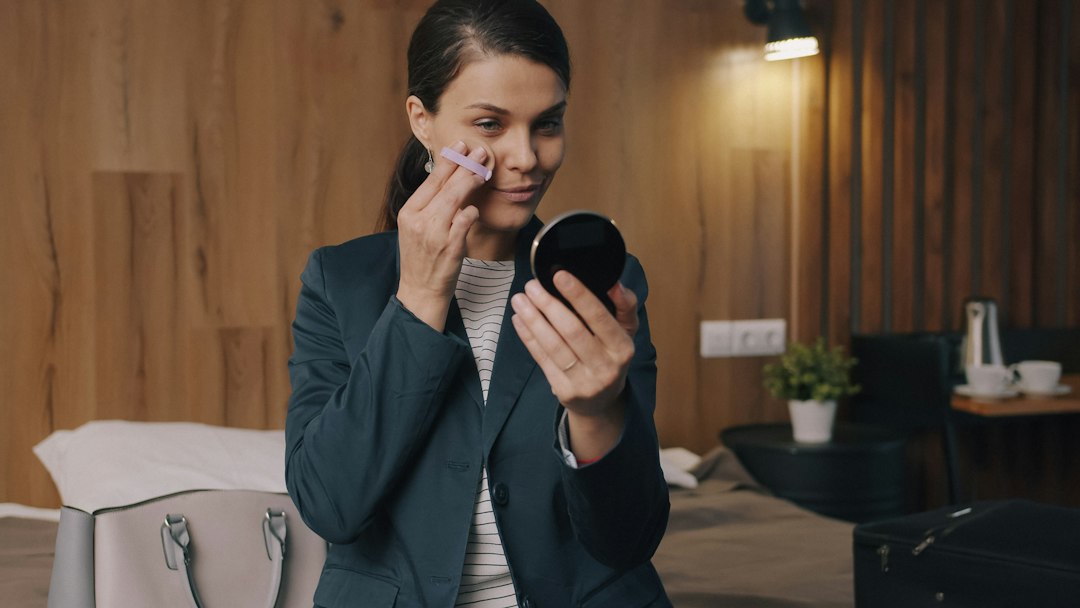
So, can you put lotion on your face? The quick answer
Yes—with conditions. Facial skin is thinner and more prone to residue buildup than the body, so what works on your legs may feel too heavy or perfumed on your cheeks. A face‑friendly lotion keeps hydration in, sits well under sunscreen and makeup, and doesn’t load pores with heavy waxes or fragrance. Here’s the fast way to decide in the aisle.
30‑second label‑scan checklist
- Look for “non‑comedogenic” or “won’t clog pores.”
- Fragrance‑free or labeled unscented (avoid strong perfume notes).
- Texture: gel or light lotion for oily/combination; light cream for dry/normal; avoid thick butters if breakouts are common.
- Humectants you recognize: glycerin, hyaluronic acid, panthenol.
- Barrier helpers are fine: ceramides, niacinamide, squalane.
- Avoid strong body exfoliants: high‑percentage lactic acid, high urea, mentholated or tingle‑inducing lotions.
- Watch for rich plant butters/oils if you clog easily: coconut oil, cocoa butter, wheat germ oil.
- Price‑per‑ounce note: if you want one bottle for face and body, a gentle “face and body” cream can save money if the texture is light enough.
How much and when: start with a pea‑size for oily/combination, a nickel‑size for dry areas, and adjust by season. Apply to damp skin after cleansing and serums. Wait 1–3 minutes before sunscreen, and 5–10 minutes before primer or foundation to reduce pilling.
In‑a‑pinch protocol: if you only have body lotion for a day, use a thin layer on cheeks and forehead, skip the eye contour, avoid anything with strong scent or high exfoliant percentages, and cleanse gently in the evening to remove residue.
Face vs body lotion: what’s the real difference?
Both face and body moisturizers aim to keep water in the skin’s surface layers so it feels comfortable and looks smoother. The differences come down to fragrance, weight, active levels, and testing priorities—factors that matter a lot on thinner facial skin that lives under sunscreen and makeup.
| Feature | Typical Face Moisturizer | Typical Body Lotion | What it means for face use |
|---|---|---|---|
| Fragrance | Often fragrance‑free or low scent | Often perfumed | Stronger scents can annoy facial skin; fragrance‑free is the safer bet |
| Texture/weight | Lighter gels/lotions; elegant finish | Heavier creams/butters for rough areas | Heavy occlusives can feel greasy and may clog for some users |
| Actives | Balanced, face‑friendly levels | May include strong exfoliants (e.g., high % lactic) | Stronger acids that feel fine on legs can sting or over‑exfoliate the face |
| Testing focus | Often tested for pore‑friendliness and makeup wear | Optimized for body feel and spread | Face formulas usually sit better under sunscreen and makeup |
Packaging also differs. Pump or tube packaging is common for face products to reduce air exposure. Big body bottles can invite lots of air contact, which is fine for arms and legs but not essential for the face.
Pick by skin type, not the aisle
Instead of obsessing over whether something says “face” or “body,” start with your skin type and climate. The goal is simple: keep water in, keep the finish comfortable, and reduce the chance of residue issues.
Oily or breakout‑prone
- Choose water‑based gels or light lotions that say non‑comedogenic.
- Look for glycerin, hyaluronic acid, and light emollients like squalane.
- Avoid thick butters or waxes that can feel heavy. If your skin clogs easily, be cautious with coconut oil and cocoa butter.
- Amount guide: pea‑size for the whole face, plus an extra tiny dab on dry patches if needed.
If you are building a routine to support clearer‑looking skin, see this step‑by‑step guide for choosing each product category: Acne skincare routine: simple steps that actually stick.
Dry or normal
- Richer lotions or light creams can feel great, especially in winter or in air‑conditioned spaces.
- Humectants + barrier helpers are your friends: glycerin, hyaluronic acid, ceramides, cholesterol, niacinamide.
- If a basic, fragrance‑free body lotion has a lighter texture, you may use it on your face, especially at night.
- Amount guide: nickel‑size for dry skin; dime‑size for normal, adjusting by season.
Want ingredient ideas and texture cues if your skin runs dry and mature? Browse this buyer’s guide to build your short list: Best Moisturizer for Dry Mature Skin: Ingredients, Picks, Routine.
Sensitive or easily irritated
- Stick to fragrance‑free and minimal‑ingredient formulas.
- Skip lotions with menthol or strong tingling sensations.
- Patch‑test on the jawline: apply a small amount at night for 24 hours to see how your skin responds.
- Amount guide: start small; add a second thin layer where you feel tightness.
If you also want a simple PM routine that respects a low‑fragrance approach, this walkthrough keeps the steps short: Nighttime Skin Care Routine: Simple Steps That Stick.
How to apply moisturizer the right way (AM and PM)
Application matters almost as much as the formula. A good lotion can underperform if you put on too much, rub too aggressively, or stack it in the wrong order.
Morning routine order
- Cleanse lightly. Choose something that rinses clean without leaving a squeaky feel. If you need help picking a face wash for younger, active skin, this quick guide is a solid starting point: Best Face Wash for Teenage Guys.
- Optional serum. If you use a hydrating serum, apply it to damp skin.
- Moisturizer. Spread a pea‑ to dime‑size amount over damp skin. Pat, don’t aggressively rub.
- Wait 1–3 minutes. This short pause helps reduce pilling with sunscreen.
- Sunscreen. Use a face‑appropriate SPF as the final AM step.
- Makeup. After sunscreen, wait 5–10 minutes before primer or foundation to improve glide.
Evening routine order
- Cleanse to remove sunscreen and makeup.
- Optional hydrating serum or a simple mist to lightly dampen skin.
- Moisturizer. Use a similar amount or a bit more if your skin feels tight.
- Optional last step for dry spots. Seal very dry areas with a thin layer of a light occlusive (for example, a small dab of petrolatum or a balm) to reduce overnight water loss.
Texture tuning: if you notice shine or pilling, use less, switch to a lighter texture, or add more wait time between steps. If you notice tightness, add a touch more product or layer a humectant serum underneath at night.
Troubleshooting: greasy feel, breakouts, or flakes
Greasy or shiny finish
- Use less product and apply to damp (not wet) skin.
- Choose gel or light lotion textures; avoid heavy butters.
- Give each layer more time to set before the next step.
Clogged‑looking pores or new bumps
- Check the label for fragrance and rich occlusives. Swap to a fragrance‑free, non‑comedogenic pick.
- Reduce the overall amount; a pea‑size may be enough.
- Consider applying richer textures only on drier zones, not the T‑zone.
Flakes or tight feeling
- Increase the amount slightly or add a hydrating serum underneath.
- Layer a light occlusive on top at night in dry seasons.
- Ensure your cleanser is not leaving skin overly tight.
Small adjustments—amount, texture, and timing—often solve day‑to‑day issues without needing a totally new routine.
Save or splurge: when one moisturizer can do both jobs
Face creams often range around $8–$40 per ounce, while body lotions are usually $1–$6 per ounce. If your skin tolerates a simple, fragrance‑free, non‑comedogenic cream labeled for both face and body, one product can cover morning and night and save money—especially for families or roommates sharing a bottle.
When to keep separate formulas:
- You’re breakout‑prone and need light, quick‑dry textures for the face.
- Your skin is very sensitive and you rely on minimal‑ingredient face formulas.
- Your body lotion contains strong exfoliating levels that are better kept below the neck.
When a single product works well:
- The label says non‑comedogenic and fragrance‑free, and the texture is a light cream or lotion.
- It sits well under your sunscreen and makeup without pilling.
- You’re happy with the feel and don’t see new congestion after consistent use.
FAQs about moisturizing your face
Is there a difference between body and face moisturizer?
Usually, yes. Face moisturizers tend to be lighter, have lower fragrance, and are designed to sit well under sunscreen and makeup. Body lotions often include stronger perfumes and heavier occlusives to soften rough areas. You can still use a body lotion on your face if it’s gentle, fragrance‑free, and labeled non‑comedogenic—but patch‑test first.
Should I moisturize twice a day?
Many people do well with morning and evening application. If your skin is oily, a light gel in the morning and a small amount at night is often enough. If your skin is dry, you might prefer a light cream both times, adding a touch more at night. Adjust for climate and comfort.
Do you moisturize before makeup?
Yes. Cleanse, apply any serums, then moisturizer, wait 1–3 minutes, then sunscreen, then makeup. If your base pills, use less moisturizer, switch textures, or extend wait times to 5–10 minutes before primer or foundation.
How long should I let moisturizer sit before makeup or sunscreen?
About 1–3 minutes before sunscreen in the morning helps reduce pilling. After sunscreen, wait another 5–10 minutes before primer/foundation for a smoother laydown.
Can moisturizing reduce redness?
Moisturizing can help skin look calmer by easing dryness and supporting the surface barrier. Choose fragrance‑free options and avoid strong scents or high levels of exfoliating ingredients if your skin flushes easily. If redness persists or worsens, consider checking in with a licensed dermatologist for personalized advice.
Bottom line: the best moisturizer for your face is the one your skin tolerates, that fits your budget, and that you’ll use consistently morning and evening. With a quick label scan, the right amount, and smart timing, you can make even a basic lotion work hard for you.