Avoiding insomnia is less about willpower at bedtime and more about designing your whole day so sleep has a clear runway. Think of tonight’s rest as the result of dozens of small choices made from sunrise to lights-out. When those choices line up, the body gets clearer signals, the mind feels safer to let go, and the night tends to unfold with fewer surprises.
This guide walks you through a practical, humane approach. You will map your personal sleep patterns, set up an environment that favors quiet rest, and follow a 30-day plan that builds reliable habits one layer at a time. No single hack solves restless nights for everyone, but a series of gentle, consistent steps can shift the odds in your favor. If any step conflicts with advice from your clinician or your lived experience, adapt the plan. The point is progress you can feel, not perfection.
Use this article in two ways. First, read it once beginning to end to understand the full path—from morning light to the moment your head meets the pillow. Second, return to the checklists and templates. Print them, copy them into your notes app, or tape them to the inside of a closet door. You are building a routine you can carry into travel weeks, busy seasons, and ordinary Tuesdays. There is no medal for doing it fast; steady is better than intense.
Avoiding insomnia: a calm-first approach
When sleep feels distant, many people add more effort at night—more supplements, more strict rules, more clock-watching. A calm-first approach flips that impulse. Your goal is to reduce friction and signal safety. In practice, that means predictable light exposure during the day, a gentle evening descent, and a bedroom that looks and feels like a place for rest. The aim is not to force sleep; it is to create conditions where sleep becomes the easiest next step.
Start with a simple principle: the body follows rhythms. Light in the morning tells your internal clock where “day” begins. Consistent meal timing, movement, and social interaction reinforce that message. Later, a cool, dim, quiet space and a wind-down routine tell the same system it is time to ease off. When those signals are scattered, the system does not know what to do. When they are steady, it often cooperates.
Here is a calm-first checklist you can customize in the next sections:
- Exposure to outdoor daylight within 60–90 minutes of waking, even on cloudy days.
- Regular movement most days, ideally finishing vigorous sessions three or more hours before bed.
- Consistent meal windows and a lighter evening plate.
- A 60–90 minute wind-down routine that you look forward to rather than tolerate.
- A bedtime window (not a rigid minute) that aligns with your natural sleepiness.
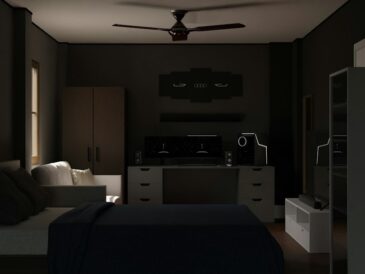
- A bedroom that is cool, dark, quiet, and tidy enough that it feels welcoming.
Understand your personal sleep patterns
Before changing anything, track what is already happening. Two weeks of light tracking can reveal patterns you do not notice in the moment. You can use a simple paper log, a note on your phone, or a wearable if you like. The goal is not perfect data; it is clarity about your current rhythm.
What to log:
- Bedtime window (for example, “between 10:30 and 11:00”).
- Approximate time you fell asleep and when you woke naturally.
- Night awakenings you recall and how long you were awake.
- Morning energy (low, medium, high) and afternoon slumps.
- Caffeine amount and timing, alcohol timing, and heavy meals near night.
- Daylight exposure (outside time) and movement.
Look for patterns such as “late afternoon coffee equals more tossing,” or “afternoon daylight equals less grogginess the next morning.” Notice your natural sleepiness window. Some people start to feel drowsy between 9:30 and 10:30; others closer to midnight. Rather than fighting your biology, aim to work with it. Build a routine that makes the most of your natural rhythm while still fitting your life responsibilities.
One more note on patterns: many people sleep worse on nights when they try hardest to sleep. That is not failure; it is how the brain handles pressure. If you frequently feel wired at bedtime, the sections on wind-down, stimulus control, and racing thoughts will help you put a softer frame around the night.
The 24-hour view: what you do at 10 am shapes 10 pm
Sleep does not start at night—it starts with your first light exposure. A quick 10–15 minute walk outside after waking gives your internal clock a time-stamp. If you wake before sunrise, turn on bright indoor lights and then get outside when you can. Natural daylight contains changing wavelengths that your eyes and brain read as a schedule cue. That cue continues to influence your energy curve all day and, indirectly, your evening sleepiness.
Think of the day in three arcs:
- Morning activation. Seek light, move your body, and hydrate. If you enjoy coffee, earlier is kinder than late in the day. Keep your first meal balanced in protein and fiber so energy rises without a crash.
- Midday steadiness. Work in 60–90 minute focus blocks. Take short breaks to stand, stretch, and get a sip of water. A brief outside check-in—five minutes of fresh air—can keep the internal clock anchored.
- Evening descent. Dim lights, reduce stimulation, and plan for a lighter dinner. The next sections outline exactly how to do that in a way that feels sustainable.
A 24-hour perspective also makes setbacks less dramatic. If a night goes poorly, you can still support a decent day by leaning on light exposure, gentle movement, and solid meals. Doing so often reduces the “fear of bedtime” that builds after a choppy night.
Daylight, movement, and caffeine timing
Three levers—light, movement, and stimulants—have an outsized effect on how your night unfolds. None of them is a magic button, but they set the stage for better rest.
Light. Aim for outdoor daylight within 60–90 minutes of waking and again in the afternoon. Even five to ten minutes helps. If you work indoors all day, position your desk near a window or schedule a micro-walk after lunch. In the evening, shift to warmer, lower light. A simple rule: let the lights follow the sun.
Movement. Most people rest more easily if they accumulate 30–45 minutes of movement on most days. That could be brisk walking, cycling, yoga, or strength work. If you enjoy intense sessions, try finishing them earlier in the day. Later sessions sometimes leave the system humming longer than you expect. Gentle stretching or an easy walk after dinner can feel soothing.
Caffeine and alcohol. Caffeine can be a helpful tool; it can also linger longer than people think. Consider keeping your last cup to the late morning or early afternoon. Alcohol may feel relaxing but often fragments sleep in the second half of the night. If you choose to drink, experiment with earlier timing and smaller amounts to see how your nights respond.
Small changes in these levers, held consistently, often have more impact than drastic short-term shifts. Keep notes for a week and see what stands out for your body.
Evening wind-down blueprint: a 90-minute gentle descent
An evening routine is not a set of strict rules; it is an invitation to slow everything down. Picture a plane descending. You would not want a sudden drop. You want a gradual glide. That is what a wind-down provides. Here is a blueprint you can adapt:
- 90 minutes before bed: Finish complex tasks, reduce bright overhead light, and switch to warm lamps. Put tomorrow’s top priorities on a single index card or note. This helps offload mental loops.
- 60 minutes before bed: Do one or two relaxing activities you genuinely enjoy: reading paper pages, sketching, playing gentle music, or talking with someone you like. Keep screens at low brightness or use audiobook/podcast options to reduce visual load.
- 30 minutes before bed: Hygiene routine, light stretching, or a warm shower if that feels soothing. Prepare the bedroom: set temperature, close curtains, silence notifications, and dim lights further.
If you share a home, tell the people around you what you are trying to build. A simple sentence—“I’m trying a calmer wind-down at night”—sets expectations and prevents accidental interruptions. Remember: your routine works best when you actually enjoy it, not when it feels like a chore. If a component feels boring or stressful, swap it for something gentler.
Stimulus control: teach your brain what bed means
Over time, the brain learns associations. If you read emails, worry about work, and scroll social feeds in bed, the brain begins to label the bed as a thinking place rather than a resting place. Stimulus control is a plain-language strategy to re-link bed with drowsiness and sleep.
Core ideas:
- Use the bed for sleep and intimacy. Do other activities in a chair or on the couch.
- If you find yourself awake and alert in bed for more than a short while, get up and do a calm activity in dim light—read a physical book, fold laundry slowly, or listen to a familiar show on low volume. Return to bed when your eyelids feel heavier.
- Keep the clock out of sight. Clock-watching adds pressure. You already know the time range; you do not need exact minutes.
- Wake at approximately the same time each day, even after a choppy night. This helps your internal clock consolidate.
At first, getting out of bed when awake can feel inconvenient. Think of it as a short-term investment. Every time you step out during a wide-awake stretch, you vote for a bed that feels more like a resting place next time. A few nights of consistent practice often change the tone of the room.
Nutrition and hydration: support rather than strain at night
Food and fluids affect comfort and energy signals. The goal is not a special diet; it is a rhythm that avoids extremes in the late evening.
Useful guidelines:
- Evening portion size. Many people rest better with a lighter dinner and a small, balanced snack later if hungry. A piece of fruit with a handful of nuts, yogurt with berries, or wholegrain toast with a little nut butter are simple options.
- Spices and richness. Heavy, very spicy, or very fatty dishes close to bedtime may lead to discomfort while lying down. Try moving those meals earlier and observe your body’s response.
- Hydration timing. Get most fluids earlier in the day and taper in the evening to reduce bathroom trips at night. Keep a small glass of water near the bed if you tend to wake thirsty.
- Warm beverages. If you like a warm cup at night, consider non-caffeinated options such as herbal blends. Focus on the ritual more than the drink itself: the act of holding a warm mug and breathing slowly is often the helpful part.
Consistency trumps novelty. Rather than hunting for a miracle food, pick an evening pattern you can repeat on ordinary days and keep for travel or holidays with small tweaks.
Screens, light, and sound: set up your environment
Your sleep space does not need to look like a spa, but it should make rest the easiest activity available. A few small upgrades can change how the room feels as you enter.
Environment checklist:
- Light. Dim overheads in the last hour and rely on lamps with warm bulbs. Blackout curtains or a comfortable eye mask can be helpful if you live with streetlights or early sun.
- Sound. If you are in a noisy area, try consistent background noise such as a fan, white noise track, or gentle nature sounds. The goal is to reduce sudden changes that pull attention.
- Temperature. Many people rest more easily in a cooler room. Experiment to find your comfortable range and adjust bedding layers to match seasons.
- Tidy signals. Clear visible clutter from nightstands and floors. A simple, clean surface sends a quiet message: this space is for rest.
- Devices. Charge your phone outside the bedroom or across the room. Set “Do Not Disturb” or similar modes so notifications do not pull you back into daytime brain.
None of these changes require expensive products. A dimmable lamp, a box fan, and a habit of clearing surfaces can transform the feel of the room. If a device claims to solve sleep on its own, treat it as an optional tool rather than a requirement.
Racing thoughts toolkit: practical cognitive techniques
When the body is ready for rest but the mind is loud, you need simple, repeatable tools. Here are options you can rotate through depending on the night.
- The one-card plan. Before wind-down, write tomorrow’s top three tasks on a single card. Put it by the door or in your bag. Tell yourself, “It’s captured. I’ll pick it up in the morning.” This reduces the pressure to rehearse tasks at night.
- Brain dump. In dim light, set a two-minute timer and list everything on your mind in bullet points—unfinished emails, worry about a meeting, an errand. When the timer ends, close the notebook. The act of naming reduces mental friction.
- Neutral narration. If thoughts start to race in bed, try a neutral script: “I’m lying in bed. The sheet is cool against my feet. I’m noticing a breath in, and a breath out.” Keep the voice calm and factual, like a weather report. Many minds settle when given a gentle anchor.
- Breathing ladders. Breathe in for a count that feels easy (for example, four), and out for the same count. After ten rounds, add one count to the exhale and notice how the body eases. If counting feels stressful, drop it and focus on the sensation of air leaving.
- Kind reframes. Swap harsh self-talk (“I’ll be useless tomorrow”) for something truer and softer: “I can handle tomorrow with the rest I get. I’ve done it before.” The goal is not to trick yourself; it is to stop adding extra weight.
These tools work best as part of your wind-down rather than emergency fixes at 2 am. Practice them when you are already moderately calm so they are familiar when you need them.
The 30-day sleep rebuild: weekly milestones, trackers, and habit loops
The plan below turns ideas into a rhythm that holds. It does not require perfect nights. It asks for steady practice. Print this section or copy it into your notes app. Check off what you complete. Celebrate small wins—the first night you follow your wind-down, the morning you get outside despite a busy schedule, the week you keep your phone out of the bedroom.
Week 1: Anchor the clock.
- Pick a wake-time window you can keep seven days a week (for example, 6:30–7:00). Set a simple alarm and place it across the room.
- Get at least 10 minutes of outdoor daylight within 60–90 minutes of waking every day.
- Move your body daily, even if it is just a 20-minute walk. Log what you did.
- Start a quick sleep log (bedtime window, wake time, outdoor light, caffeine timing).
Week 2: Build the wind-down.
- Choose two relaxing activities you genuinely like. Put supplies where you will see them (book on the nightstand, sketchbook by the lamp).
- Dim lights 90 minutes before bed; switch off overheads 60 minutes before.
- Clear nightstand surfaces and set your phone to charge outside the bedroom.
- Practice the one-card plan and a two-minute brain dump nightly.
Week 3: Fine-tune day levers.
- Experiment with caffeine timing so your last cup lands before early afternoon.
- Adjust movement patterns to finish intense sessions earlier in the day.
- Try a lighter dinner and, if needed, a small balanced snack later.
- Keep the sleep log; note which changes most support calmer nights.
Week 4: Strengthen stimulus control and resilience.
- Practice getting out of bed when you feel wide awake at night, and returning when sleepiness rises.
- Test a bedtime window that aligns with natural drowsiness instead of a fixed minute.
- Prepare a short “travel and busy week” version of your routine (see the next section).
- Review your log. Choose two changes that gave the most benefit and make them your non-negotiables.
Simple trackers to print or copy.
- Daily checkboxes: morning light, movement, wind-down start, phone out of bedroom.
- Notes line: evening meal timing; anything unusual (late event, big deadline).
- Weekly reflection: one thing that helped; one thing to try next week.
Remember, the metric is not perfection; it is direction. If the week goes sideways, return to your anchor habits: steady wake window, outdoor daylight, gentle wind-down, and a welcoming bedroom.
Travel, shifts, and social life: adapting without derailing
Life does not pause while you work on rest. You will travel, host friends, attend evening events, or work early or late. The solution is not rigid control; it is a portable routine.
On the road:
- Pack a tiny wind-down kit: eye mask, foam earplugs, a small lamp or clip light, a familiar paperback, and a notecard for your brain dump.
- On arrival, get daylight exposure and a short walk to reset your internal cues.
- Keep the phone charging away from the bed, even in a hotel. Many rooms have outlets across the room or by the desk.
Evening events:
- Decide in advance what your latest departure time is and how you will get home. Fewer decisions late at night means less mental chatter.
- When you get home, do a shortened wind-down: ten minutes of dim light, hygiene routine, a paragraph of reading, and lights out. Small rituals can still cue calm.
Shift work or irregular schedules:
- Pick a steady wind-down start signal (for example, the moment you walk through the door). Consistency of sequence matters more than clock time.
- Use light strategically: bright light during active periods; dim light and blackout tools when you are preparing to rest.
- Anchor at least one meal at a repeating time in your off-days and work-days to give your body a familiar point.
Social life supports well-being. You do not have to choose between friends and rest. You are simply learning how to land the plane smoothly after a late takeoff.
When to seek qualified help and how to track progress safely
If you experience prolonged difficulty, loud snoring, gasping during the night, or overwhelming daytime sleepiness, consult a qualified professional who knows your health history. This guide offers general education and routines; a professional can look at your specifics and offer personalized advice. If you take medications or live with a condition that affects sleep, review changes with your clinician before making big shifts.
As you work this plan, track progress by how you feel during the day, not only by perfect nights. Useful signs include:
- Waking closer to your chosen window without an alarm or with fewer snoozes.
- Fewer stretches of lying awake for long periods.
- More days where energy feels steady and mood feels even.
- Less dread about bedtime and more confidence in your routine.
For additional articles, tips, and checklists, visit Beauty Health View for more resources aligned with gentle, sustainable sleep habits.
Maintenance: keep what works, change what doesn’t
Once your nights feel steadier, resist the urge to add complexity. Keep the habits that gave you the most relief. For many people, the high-value items are morning daylight, a calmer evening, consistent wake times, and removing the phone from the bedroom. When life gets busy, protect those anchors and let other pieces flex.
Every few weeks, run a mini-retrospective:
- What felt easiest to keep?
- What felt heavy or fussy?
- What single change would make the next two weeks simpler?
If you want to refine further, try small experiments: move your last cup of coffee 60 minutes earlier; add a ten-minute afternoon walk; shift your wind-down start by fifteen minutes. Keep any change for at least a week before judging it. Your goal is a routine that can survive ordinary chaos.
Finally, be kind to yourself on the difficult nights. One restless stretch does not erase your progress. Put your feet on the floor the next morning, step into daylight, and start the day’s rhythm. Step by step, you are teaching the body and mind a more helpful pattern. That work counts, even when the night is imperfect.