This guide builds a repeatable sleep hygiene checklist you can personalize to your life. It does not replace medical advice; it simply offers practical habits, environment tweaks, and gentle routines that many people use to support steadier nights.
If you have ever spent an evening scrolling on your phone, sipping a late latte, and wondering why your mind still hums after lights out, you are not alone. Sleep is a whole‑day project, shaped by what you do from morning to evening. The good news is that small, consistent adjustments often add up. Think of this as a low‑pressure way to learn what helps you feel more settled at night, then keep doing more of that—step by step, week by week.
Before you dive in, bookmark an internal resource you can return to for more ideas and reminders. You will find additional reading at Beauty Health View, where the Avoiding Insomnia content explores practical sleep habits and lifestyle choices. With that reference saved, let’s build your plan.
Why a checklist helps more than willpower
It is comforting to imagine that better sleep is just a matter of trying harder. In real life, evenings are full of friction: messages arriving at odd hours, kids’ homework, late dinners, and a brain that only speeds up when the house finally goes quiet. A checklist moves sleep decisions out of a busy mind and into a simple, repeatable process. You decide once, on a calm afternoon, which habits matter most for you. Then, at night, you simply follow the steps you already chose.
Checklists are not only for pilots and surgeons. They work for home life because they reduce decision fatigue. When evenings feel rushed, your list rescues the plan you made for your future self. It keeps track of timing (when to dim lights), boundaries (when to close the laptop), and comforts (what to drink and read). Over time, this structure becomes familiar, and familiarity signals to your body that the day is winding down. You are not forcing sleep to happen; you are making it easier for rest to show up.
Consistency also matters because sleep loves patterns. A stable wake time anchors your internal clock. Regular light exposure anchors daytime alertness. A pre‑sleep routine anchors calm. These anchors are small, ordinary behaviors that gently nudge your system in the same direction day after day. When you skip them, nothing dramatic happens right away. But when you stack them, nights often feel steadier.
Finally, a checklist makes troubleshooting easier. If a few nights feel choppy, you do not have to guess what went “wrong.” You scan your list: Did screens run late? Did caffeine slide into the afternoon? Did a heavy meal land right before bed? You will spot patterns faster when habits are visible on paper.
The ultimate sleep hygiene checklist
Start with a short version you can complete on a hectic weekday, then add extras on slower nights. Copy these items into your notes app or print them and tape them near your bedside. Aim for progress, not perfection.
- Wake time target: set one time you try to keep within a 30‑minute window daily.
- Morning light: get outdoor light within the first hour of waking, even on overcast days.
- Move your body: schedule natural movement or exercise earlier in the day when possible.
- Caffeine boundary: pick a cutoff time that gives you at least 8–10 hours before bedtime.
- Hydration rhythm: sip water consistently through the day; slow down in the late evening.
- Evening nutrition: favor lighter dinners; save heavier, spicy, or very late meals for earlier nights.
- Alcohol prudence: if you choose to drink, keep amounts modest and give your body time before bed.
- Wind‑down start: choose a regular time (for example, 60–90 minutes before bed) to begin slowing.
- Dim the lights: reduce overhead lighting; use warm, lower‑intensity lamps.
- Screen boundary: set a time to close laptops and reduce phone use, or switch to night modes.
- Breathing or relaxation: add five slow minutes—box breathing, a body scan, or gentle stretches.
- Paper notebook: jot to‑dos for tomorrow to lighten mental load.
- Soothing cue: light reading, calm music, or a warm shower as a consistent signal.
- Bedroom temperature: target cool and comfortable; adjust bedding layers to taste.
- Sound plan: use earplugs, a fan, or white/pink noise if ambient sounds bother you.
- Light plan: block outside light with curtains or an eye mask; cover power LEDs.
- Bed only for sleep and intimacy: reserve the space for rest, not work or tense conversations.
- Clock placement: turn the display away; checking the time can ramp up alertness.
- Gentle bedtime: head to bed when drowsy, not because the clock says so.
- Middle‑of‑the‑night reset: if you are wide awake, try a brief out‑of‑bed reset with soft light and relaxing reading until sleepiness returns.
Pick three to five items as your “non‑negotiables” for the next two weeks. Keep everything else optional. Once those feel easy, add one or two more. Your checklist should feel like a friend, not a chore list.
Design an evening wind‑down you actually like
Wind‑down time is not the absence of activity; it is the presence of calming, predictable steps. This is where personal taste wins. If you dislike baths, do not force a bath. If journaling feels heavy, try a lighter format like a gratitude line or a cartoonish doodle page. The goal is to create a ritual you look forward to repeating most nights.
Try a 60‑minute template and adapt the timing to your schedule:
- Minutes 60–45: close out the day. Put tomorrow’s top three tasks on paper. Pack a bag. Lay out gym clothes. Quick tidy in the kitchen. Lower the lighting in the home.
- Minutes 45–25: switch from “doing” to “soothing.” Shower or wash your face, moisturize, and slip into comfortable clothes. Turn on a lamp or two; turn off bright ceiling fixtures.
- Minutes 25–10: choose a relaxing anchor. Light reading, easy stretching, slow breathing, or a simple puzzle. If you enjoy tea, choose a caffeine‑free option and keep the mug modest in size.
- Minutes 10–0: bedroom routine. Adjust temperature, check curtains, turn alarm volume to a reasonable level, and dim the final light source.
Notice that none of this requires perfection. Some nights you will have guests or late events. A flexible ritual beats an ideal routine you almost never complete. If you are short on time, do the last 10 minutes only: lights low, quick stretch, one page of reading, and then in bed when drowsy.
If worries spike in the evening, add a thought “inbox.” Keep a notepad by the couch and capture thoughts without judgment. Promise yourself you will look at the list tomorrow afternoon, not right now. This simple act often reduces the pull to lie in bed thinking about tasks, because your future self already has marching orders.
Shape a bedroom that calms the senses
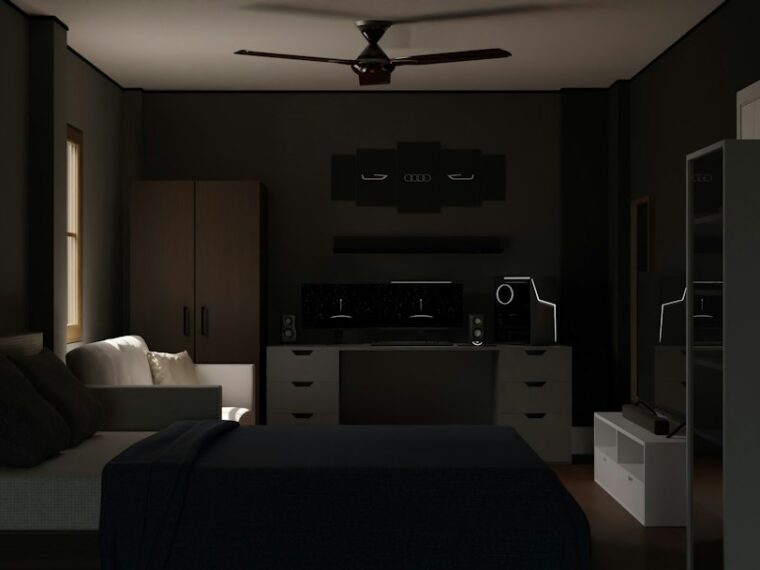
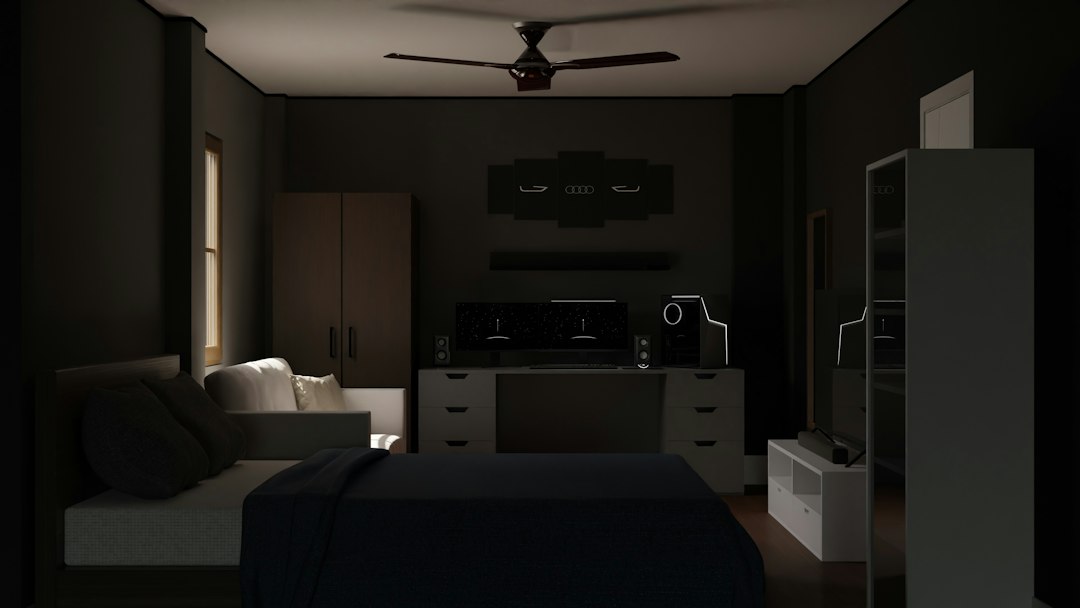
Think of your bedroom as a cue for quiet. You do not need a magazine spread; you need a space that feels simple and restful to you. Calm tends to come from three senses in particular: light, sound, and temperature.
Light: Darkness signals that it is time to wind down. If early sunlight wakes you too early, layer your strategy: heavier curtains, a sleep mask you actually like wearing, and a habit of covering small power LEDs with opaque stickers. Inside the room, aim for warm, low lamps rather than bright overheads after dusk. Motion‑activated night lights can help you navigate safely without flipping a switch at 2 a.m.
Sound: Some people like silence, others prefer a steady hum. Fans, air purifiers, or white/pink noise machines can help mask irregular sounds like hallway footsteps or a neighbor’s TV. If external noise is an issue, test earplugs with different sizes and materials to find a comfortable match.
Temperature and bedding: Cooler rooms often feel better for rest. Adjust the thermostat or use breathable materials on the bed. Layering is your friend: keep a light blanket within reach so you can add or remove coverage without leaving bed. If you share a bed and run at different temperatures, try separate blankets or a larger size to reduce blanket tug‑of‑war.
Finally, minimize visual clutter around the bed. A small tray for glasses, lip balm, and a notepad reduces the tiny, irritating searches that can pull you back into alertness.
Daytime habits that set up the night
Nighttime comfort begins in the morning. Early daylight helps your internal clock understand when to be alert and when to coast. Even five minutes outside soon after waking can be helpful, and 10–20 minutes is even better. On busy days, open a window and stand near it while you sip water. Small is fine; consistency matters more than intensity.
Movement also supports steady nights. You do not need a heroic workout for benefits. Brisk walks, light strength work, cycling, yoga, or whatever you enjoy moves the needle. If evenings are your only option, keep intense sessions earlier and gentler mobility later, so your body has time to settle before bed.
Caffeine is a personal experiment. Many people find that an early cup fits well, while an afternoon refill leaves a jittery echo at night. Choose a cutoff that respects your bedtime window. If you love the ritual, try decaf or herbal options later on.
Finally, consider where stress loads pile up during the day. A three‑minute break, a short walk, or two minutes of slow breathing between tasks can lower the “carryover tension” that shows up right when the lights go out. You are not trying to remove stress; you are giving your system small valves to let it pass through.
Eating and drinking rhythms
Food choices shape comfort at night. Very large, spicy, or late meals can leave you too warm or unsettled. Many people prefer a simple template on weeknights: a balanced dinner a few hours before bed and, if needed, a light snack closer to bedtime. If your evenings skew late, steer the main meal earlier when possible and keep the later option smaller and easier to digest.
Hydration is similar. Drink water through the day so you do not need to chug in the evening. In the last couple of hours before bed, slow the pace. If you like something cozy, a caffeine‑free tea can be enjoyable; just keep it modest so you are not waking for the bathroom right after drifting off.
If alcohol is part of your social life, a low‑key approach often sits better with sleep. Lighter amounts earlier in the evening give your body more runway to settle before bed.
Calming the mind: practical ways to handle racing thoughts
Many of us feel mentally busy at the exact moment we want to rest. Instead of wrestling with thoughts, give them a place to land. A “brain dump” on paper—no rules, no grammar—often lowers the volume. Set a five‑minute timer, write everything you are holding, then close the notebook. Your list exists. You do not have to hold it in your head tonight.
Breath work can also help tilt the nervous system toward calm. Try a simple ratio: in for four counts, out for six. The longer exhale is a quiet nudge toward relaxation. Do this for five slow minutes with the lights low. If lying in bed makes you feel restless, sit up near the window or on a soft chair instead; you can return to bed when you feel drowsy.
Gentle stretches can remove some physical restlessness. Focus on areas that collect tension: neck, shoulders, hips, and calves. Move slowly and casually. Think “comfortable mobility,” not workout.
Guided audio can also be helpful. Many apps and online libraries offer non‑medical sleep stories, nature sounds, or calming narration. Pick a voice you like, set a timer, and let the audio lead you away from the day. If you share a room, a small Bluetooth speaker or a soft earbud can keep the volume low.
Lastly, practice kindness toward the version of you who is awake at night. Self‑criticism creates pressure, and pressure often energizes the brain. A gentler stance—“This is uncomfortable, and I can still take care of myself”—tends to reduce that extra layer of tension.
Technology boundaries that still feel modern
Screens are woven into modern evenings, so rigid bans are hard to maintain. Instead, design boundaries that feel reasonable. That might mean a simple phone rule after a certain hour: messages off, night mode on, and only low‑key activities like reading articles you saved earlier. Laptops often carry work energy, so closing them at a consistent time can be a powerful cue.
Two adjustments deliver a big return: the size of the screen and the brightness of the light. A small, dim device is usually less stimulating than a bright, large display close to your face. If you enjoy TV in the evening, dim the room, sit a bit farther back, and choose content that winds down rather than ramps up.
- Enable night shift or similar warm‑tone modes several hours before bed.
- Reduce notifications or switch to focus modes to avoid late‑night pings.
- Create a small charging station outside the bedroom, and plug in before you start winding down.
- Swap active scrolling for passive listening: podcasts, audiobooks, or calm playlists.
Special situations: travel, shift work, and life phases
Some seasons do not match a perfect schedule, and that is okay. The goal is not rigid rules; it is helpful patterns you can keep most of the time. When you travel across time zones, think in simple anchors: morning light in the new location, movement during daylight, and a slightly earlier or later bedtime each day until your body catches up. A short nap early in the day can refresh you, while very late naps may make the next night feel longer.
If you work rotating shifts, focus on protecting a core block of rest whenever your schedule allows. Darken the bedroom with blackout curtains or an eye mask, use sound masking during daytime rest, and keep a short pre‑sleep ritual even if the clock reads noon. Small nap “top‑ups” before a demanding shift can help you feel steadier.
Parents of infants, caregivers, students during exams, and anyone navigating a stressful project all face unique constraints. Reduce the number of decisions you make at night. Keep your wind‑down tiny and repeatable: dim one lamp, sip water, one page of reading, lights out when drowsy. As your season shifts, you can stretch the routine again.
Remember that sleep is a long game. Life will include late nights, joyful events, and hiccups. A flexible system helps you return to steadier nights without starting from zero.
Troubleshooting when sleep still feels out of reach
Everyone has off nights. When a rough patch pops up, try a reset rather than a wrestle. If you are wide awake in bed and feeling more alert by the minute, get up briefly. Keep the lights low and do something non‑stimulating like flipping through a paper magazine or listening to soft audio. Return to bed when you feel drowsy again. This keeps the bed associated with rest, not with clock‑watching.
Scan your day for small changes that might pay off within a week or two. Did caffeine drift later? Would a bit of morning light help? Is your wind‑down too complicated for busy nights? Adjust one variable at a time so you can see what matters. Quick wins build momentum.
Notice patterns that tend to spark wakefulness for you personally. For some, it is heavy evening meals; for others, late debates on group chats or a thrilling TV episode. There is no universal rule here—just your own observations. Write down what you notice and plan around your most common triggers.
If sleep challenges are persistent or affect your daytime safety or wellbeing, consider discussing them with a qualified professional who knows your history. This article focuses on everyday habits and environment, not diagnosis or clinical care.
Track, iterate, and maintain
Tracking does not need to be elaborate. A notebook, calendar, or simple app can capture what you changed and how the night felt. A simple rating from 1–5 for “rested on waking,” plus notes like “late coffee,” “evening walk,” or “dim lights early” makes trends easier to spot.
Once you find a pattern that fits, keep it light. Maintenance is less about adding more and more steps and more about protecting the steps that matter most to you. If you guard only two things—your wake time and your evening wind‑down—you will protect most of the benefit with the least effort.
Here is a tidy maintenance checklist you can pin somewhere visible:
- Keep wake time within a 30‑minute window most days.
- Get outdoor light most mornings, even briefly.
- Respect your caffeine cutoff time.
- Start winding down at a consistent hour.
- Dim lights and quiet notifications as the evening progresses.
- Reserve the bed primarily for rest, not work or tense discussions.
- When awake and restless at night, use a brief out‑of‑bed reset.
Return to basics whenever life gets hectic. A handful of small, repeatable steps can support steady nights more reliably than a perfect routine you cannot sustain.
Frequently asked questions about building a sleep hygiene checklist
How long until I notice a difference? Many people report small improvements within a week or two once they anchor wake time, morning light, and a calm wind‑down. Deeper patterns may take longer, and results vary. Keep the experiment going long enough to see a signal.
What if I cannot keep the same schedule every day? Do what you can, most of the time. A stable wake time offers a strong anchor, even when bedtimes vary. Travel, projects, and family life will bend the plan. That is normal. Return to your anchors when the rush passes.
Which one change gives the biggest return? There is no universal winner, but three tend to help broadly: consistent wake time, morning light, and a realistic evening wind‑down. If you pick only one, start with wake time. It is the simplest lever with broad effects.
Do I need fancy gear? Not necessarily. You might benefit from darker curtains, a small lamp with a warm bulb, or a comfortable eye mask. Start with low‑cost adjustments and test them for a couple of weeks before investing more.
What if I wake up at 3 a.m. and feel alert? Try a reset instead of a battle. Get up briefly, keep the light low, do something calm, and return to bed when you feel sleepy again. Over time, pair this with daytime anchors and evening consistency.
Do naps help or make things harder? It depends on timing and duration. Short, early‑day naps can refresh you. Late, long naps can make it harder to feel drowsy in the evening. If you rely on naps, aim early and keep them modest.
Should I change everything at once? It can be tempting, but picking three to five high‑impact steps is usually more sustainable. Add more later if you want to. You are building a lifestyle, not running a sprint.
Where can I find more practical ideas? Explore the sleep articles on Beauty Health View for routines, environment tweaks, and everyday strategies that readers use to keep nights steadier.
There is no perfect night, only supportive patterns. Let your checklist be a friendly guide, and expect to adjust it as your life changes. Small steps, repeated kindly, make a real difference over time.