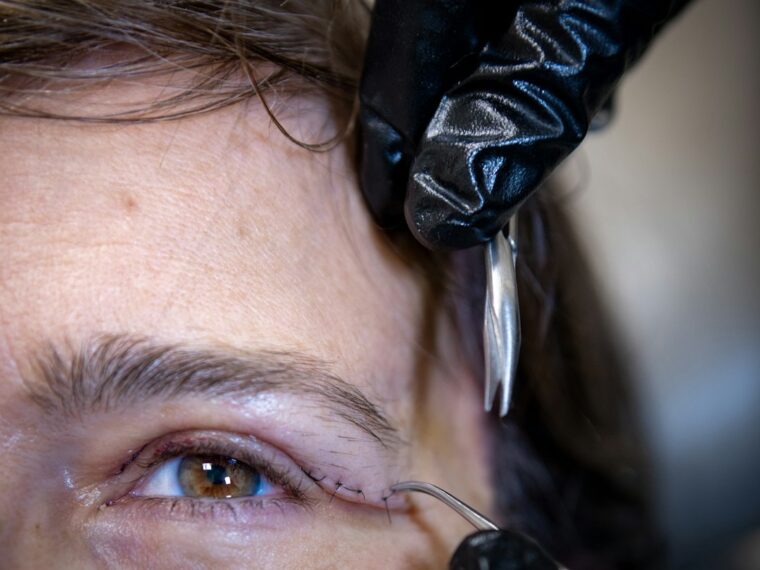
facial acupuncture has gained attention among people who want a gentler, slower, and more holistic way to support how their skin looks and how their face feels. If you have been curious but unsure where to start, this guide lays out what a session is like, what sensations are common, how to choose a practitioner, and how to combine studio visits with at-home habits for steady, realistic progress over time. It is written for readers who value calm routines, clean practice, and modest, sustainable gains rather than abrupt, dramatic promises.
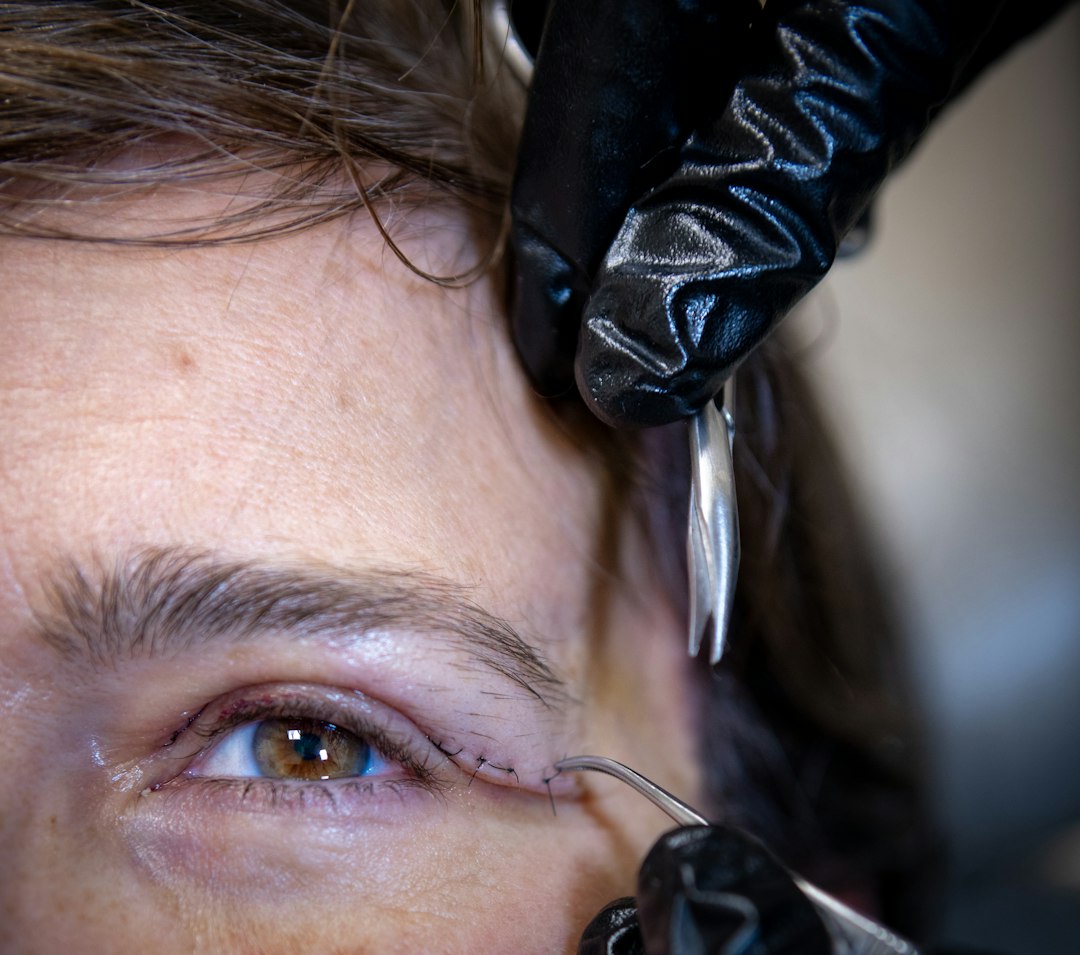
facial acupuncture: what it is and how it fits into modern skincare
Facial acupuncture uses very fine, single-use needles placed in specific points on the face and sometimes a few points away from the face (such as the hands, feet, or ears). The beauty-focused approach aims to support local circulation, ease visible muscle tension (especially in the brow, jaw, and temples), and invite a quietly refreshed look. People often describe a post-session feeling similar to finishing a restorative nap—less screen-frown, a softer jaw, and a more awake expression.
It fits alongside modern skincare rather than competing with it. Cleansers, moisturizers, sunscreen, and a thoughtful rotation of active ingredients address the skin’s outer layers. Massage, gua sha, and LED sessions add gentle stimulation. Needles bring a different kind of input—one that many find settles the nervous system, encourages a more relaxed expression, and sets the stage for a brighter morning look. The best results others report come from pairing in‑studio needlework with consistent daily habits, not from one dramatic appointment.
Think of it as an inner‑outer partnership. Topicals care for the surface; smart routines care for sleep, nutrition, posture, and stress; needles add fine‑tuned inputs that may help your features look more at ease. None of these practices replace medical or dermatological care. They sit in the personal care lane, where comfort, hygiene, and realistic pacing matter most. If you keep this frame in mind, it becomes much easier to see the practice as part of a complete routine instead of a stand‑alone fix.
Another helpful way to position facial acupuncture is to compare it with familiar wellness experiences. Many people feel calmer after yoga, a walk, or a long bath; the face often mirrors that calm. Needle sessions aim for a similar outcome with a different tool. They do not erase lines, change anatomy, or deliver overnight transformations. Rather, they encourage a softer resting tone and help the face look less clenched. That shift can be meaningful when your days are heavy on screens, deadlines, and jaw‑tightening commutes.
Inside a typical session: step‑by‑step
While every practitioner brings their own style, a first visit usually follows a predictable flow that prioritizes hygiene, comfort, and clear communication. Understanding the sequence ahead of time makes the appointment feel easy and unhurried.
- Conversation and goals (10–15 minutes): You discuss what you hope to notice in the mirror and how you prefer to feel during and after a session. Common goals include a looser brow, a less clenched jaw, or a more rested morning look. Expect questions about sleep, hydration, skincare products, recent procedures, and any big deadlines on your calendar. A good intake also covers sensitivity zones, preferences about needle count, and how you tolerate pressure around the eyes and lips.
- Preparation and cleansing (5–10 minutes): Makeup and sunscreen are removed. The skin is wiped gently with a skin‑safe disinfectant. Hair is secured away from the face. You lie down under a light blanket; the lighting is soft and the room quiet. Many studios play low music or white noise to support stillness.
- Point mapping (5–10 minutes): The practitioner locates and cleanses the intended points. Common facial areas include the forehead (including the glabella between the eyebrows), temples, cheeks, around the mouth, and along the jaw. Supporting points on the body—such as the hands, feet, or ears—are sometimes added to help the whole system relax. If you are curious, ask them to describe the rationale for each area in simple terms.
- Needle placement (5–15 minutes): Needles are very fine. People often feel a soft tap or nothing at all. A brief, dull ache or tingling can occur for a second or two at certain points and then settle. If a point feels buzzy, heavy, or simply not right, let the practitioner know so they can adjust the depth or choose a different point. Comfort is the priority.
- Rest period (15–30 minutes): Once the needles are placed, you rest quietly. Many people drift in and out of a light nap. The stillness is part of the appeal: no notifications, no decisions, just breathing. The room remains clean and undisturbed during this time; the practitioner may check in once to ensure you feel warm, comfortable, and at ease.
- Wrap‑up and after‑session notes (5 minutes): Needles are removed and counted. The skin is observed for any areas of redness. A lightweight moisturizer and sunscreen may be applied for daytime appointments. You receive simple guidance for the next day: drink water, keep skincare gentle that evening, and avoid heavy pressure on the face.
Useful extras make the experience smoother: remove contact lenses before you arrive if your eyes are sensitive, bring a hair tie, and keep jewelry minimal. If you have a strict lunch break, say so at the start. If scents bother you, ask for fragrance‑free products. Clear, early communication keeps the appointment aligned with your preferences from minute one.
Sensations, timing, and pacing
If you are needle‑shy, the biggest surprise may be how minimal the sensations feel. Insertion often registers as a tiny tap. Occasionally, a dull, spreading feeling appears for a moment—many people describe it as a quick wave that fades fast. Once placed, needles rest quietly. The prevailing feeling is stillness rather than stimulation. If a point continues to feel sharp, ask the practitioner to adjust; sensitivity varies person to person and day to day.
First visits tend to run 60–75 minutes because there is more conversation and mapping. Follow‑ups are usually 45–60 minutes. Many practitioners propose a brief series at the start—often weekly for 4–6 visits—to observe how your face responds and to build momentum. After the initial run, a maintenance rhythm (every 3–4 weeks for some people, or seasonally for others) can be more than enough. The right cadence is the one you can maintain without stress.
Calendars and budgets play a real role. Here is a sample pacing plan that balances consistency with flexibility:
- Weeks 1–2: One session per week. Keep evening routines simple on session days and emphasize sleep and hydration.
- Weeks 3–6: Weekly, or every 10–14 days if your schedule is tight. Add gentle gua sha or acupressure on non‑needle days.
- Weeks 7–12: Shift to every 2–4 weeks based on your schedule, mood, and the changes you notice. If your job has intense cycles, anchor sessions to calmer weeks.
One practical tip: track subtle shifts for a month. Jot down three lines after each session, noting sleep quality, jaw tension, and how your face looks in morning light. The goal is not to score yourself but to notice trends that inform timing. Many people find that consistent rest, lower screen strain in the evening, and a gentle evening routine amplify what the session sets in motion.
What people commonly report afterward—and why results vary
Reports vary because faces, schedules, and habits vary. Still, patterns are consistent in many journals and practitioner notes. People commonly describe three categories of shifts: immediate, next‑day, and cumulative. Understanding the difference helps you set measured expectations and appreciate progress that is real but modest.
- Immediate: A looser forehead, less jaw clenching, and a floaty, nap‑adjacent calm. Some see a touch of color in the cheeks from local circulation.
- Next‑day: A more rested morning look, especially around the eyes. Puffiness may look softer if you slept well, hydrated sensibly, and avoided late, salty snacks.
- Cumulative: Over several weeks, a steadier baseline—fewer “tension face” days and a face that looks like you on your better mornings more often.
Why the range of outcomes? Several variables play a role: sleep, sodium intake, hydration, menstrual cycle, screen time, stress levels, and how diligent you are with simple routines like cleansing and sun care. Facial acupuncture is not a quick remodel. It is a supportive practice that may help your face look less tense and more refreshed when paired with steady habits.
To make the variability tangible, try a short, low‑effort experiment. For four weeks, keep your appointments on the same weekday and add the same minimal at‑home supports (a 90‑second jaw release, a nightly two‑minute cleanse, and a strict charge‑the‑phone‑outside‑the‑bedroom rule). Take a brief, makeup‑free photo in similar natural light each Saturday morning. Most people do not see dramatic change week to week; instead, they notice that their “not great” days are less common and their “pretty good” days show up more often. That kind of steady average is a healthy target.
Safety, hygiene, and sensible cautions
Clean practice and communication are the foundation of a good experience. Look for sterile, single‑use needles, hand hygiene, a sharps container, and a tidy setup. Your face should be cleansed before needles go in. If makeup or sunscreen is applied after a daytime appointment, it should be fresh—not the products worn in. Linens should be visibly clean, the trash bin for packaging should be within reach, and the studio should feel orderly and calm.
Minor responses are normal. A pinpoint mark, mild redness, or an occasional tiny bruise can appear and typically fades within hours to a few days. To make a small bruise less noticeable, a brief cold spoon press can feel soothing. If you have a major photo day on the calendar, plan your session several days ahead to allow any minor mark to fade. Communicate upcoming events so your practitioner can choose point locations with your plans in mind.
Share relevant information during your intake so your session can be adjusted:
- Any tendency to bruise or current use of medications or supplements that may thin the blood
- Recent cosmetic procedures (peels, lasers, microneedling, filler); generous spacing is wise
- Implanted devices, metal sensitivities, or any areas of broken skin
- Pregnancy or postpartum considerations; choose needle‑free options if recommended by your providers
These notes sit comfortably in the personal care category. This article offers general information, not individualized medical advice. If something feels unusual—persistent discomfort, swelling, or skin changes—contact a qualified professional who knows your history. Clear, early communication keeps small issues small and reinforces trust between you and your practitioner.
How to choose a practitioner you’ll feel good about
Great results start with trust and comfort. A calm studio, respectful communication, and a practitioner who listens are just as important as technique. Use this practical checklist to evaluate studios and practitioners before you commit to a series.
- Hygiene and setup: Sealed needles, hand hygiene, and a sharps container should be visible. The treatment bed, linens, and surfaces should be clean and organized. If you have to guess where supplies are stored, the workspace may be too cluttered.
- Clear communication: Practitioners should explain their approach, welcome questions, and be open to your preferences about pace, points, and needle count. You should feel free to say “that one feels zingy” and have it adjusted without hesitation.
- Thoughtful intake: They ask about your goals, schedule, lifestyle, skincare products, and recent procedures. They note any sensitivities (e.g., around the eyes) and plan accordingly.
- Gentle technique: If you are sensitive at a point, they adjust immediately, swap locations, or reduce the number of needles. Placement should feel intentional rather than rushed.
- Realistic guidance: They frame facial acupuncture as one part of a complete routine—no sweeping promises, no pressure to over‑schedule, and no hard sell on packages during your first visit.
- After‑session notes: You leave with simple, specific tips for the next day and advice about how to space appointments around events.
When in doubt, book a single session before a series. Notice how you feel during and after, how you sleep, and how your face looks the next morning. Pay attention to small signs of respect: on‑time starts, clean linens, eye contact, and clear explanations. If the studio is fully booked, ask to join a waitlist or request referrals. Personal recommendations remain one of the most reliable ways to find a good fit. Online reviews can help, but your own experience should carry the most weight.
Comparisons: facial acupuncture, facial massage, gua sha, LED, and microneedling
It helps to place facial acupuncture in context with other popular modalities. Each has strengths and best‑use scenarios. Instead of thinking in either/or terms, design a rotation that respects your skin’s rhythm and your calendar.
- Facial massage: Hands or tools glide over the skin to support circulation and relaxation. It is immediate, soothing, and great on “tension days.” Massage is an ideal partner to needle sessions—do it on non‑needle days at home or as part of a studio visit.
- Gua sha: A smooth tool glides at a low angle with oil or serum. Gentle, consistent strokes can help the face look less puffy and more awake. Key word: gentle. Heavy scraping is counterproductive; the goal is calm, not redness.
- LED sessions: Specific light wavelengths are used to support the skin’s natural responses. Many people find LED relaxing, screen‑free, and easy to maintain at home. It pairs well with massage and gua sha in a weekly rotation.
- Microneedling: A device creates controlled microchannels as part of advanced skincare plans. It is distinct from facial acupuncture in purpose and intensity and is usually scheduled with clinical providers, with downtime built in.
Where does facial acupuncture land? It sits in the slower, body‑aware category. The practice encourages a visibly less tense expression and a refreshed look over a calm timeline. Here are two sample weekly rotations to illustrate how these methods can share space in a routine:
- Rotation A (studio‑anchored): Thursday afternoon needle session; Saturday morning gentle gua sha; Sunday evening LED for 10–15 minutes; Tuesday two‑minute manual massage during cleansing.
- Rotation B (home‑first): Every other Wednesday needle session; Friday LED; Monday short gua sha; micro‑massage added to nightly moisturizer on in‑between days.
Think of the week as a landscape with peaks and valleys. Needle days are quiet peaks; other practices fill the valleys. Keep intensities staggered, give your skin off‑days, and watch how much calmer your face looks when you respect that rhythm. If you later add a clinical procedure, let your practitioner know the full plan so timing can be adjusted.
Build a supportive home routine around your appointments
The glow people mention after a session is easier to sustain when daily habits support it. A few low‑effort anchors—kept for months, not days—make the difference between a nice appointment and a reliable, lived‑in routine. The good news: none of the anchors require special products or complicated steps.
- Sleep on a rhythm: A consistent bedtime and a cool, dark room do more for your face than most products. Aim for a quiet pre‑sleep routine—dim light, no late scrolling, and a short book chapter or breathwork. If you wake with creases, experiment with a silk or satin pillowcase and a lower, softer pillow that does not press your cheek.
- Hydration with minerals: Water plus mineral‑rich foods (leafy greens, seeds, legumes) helps your body’s balance. Herbal teas in the evening can signal wind‑down time. Taper salt later in the day if morning puffiness is a pattern.
- Sun care every day: Choose a broad‑spectrum product in the morning and reapply for long outdoor time. Hats and shade breaks lower exposure when the sun is intense. Think of this as protecting your steady work rather than chasing a quick fix.
- Gentle actives, balanced weekly: Alternate exfoliating acids and retinoids thoughtfully. Support with barrier‑loving ingredients such as ceramides, squalane, and humectants. On session days, keep the routine simple—cleanse, moisturize, and go to bed.
- Screen‑break face checks: Every hour, relax your jaw, unglue your tongue from the roof of your mouth, and soften your brow. These tiny resets shape your expression for the rest of the day.
Ritual matters as much as ingredients. Wash your face slowly, play a favorite playlist, and give yourself two minutes of gentle massage. The point is not perfection—it is a steady sense of calm that shows on your face. When your routine is modest, repeatable, and a little enjoyable, you are far more likely to maintain it through busy seasons, which is where the payoff lives.
At‑home complements: acupressure and massage maps
If you like the studio experience, you will likely enjoy simple at‑home practices that draw on the same logic without needles. Here is a gentle map you can follow with clean hands and a bit of face oil or moisturizer. Aim for light pressure and slow, steady breathing. If an area feels sensitive, scale back.
- Temples: Place two fingers on each temple and make small, slow circles for 30–45 seconds while breathing deeply. Great during screen breaks.
- Brow line: Use your thumbs to glide from the inner brow (near the bridge of the nose) to the outer brow. Feather‑light pressure. Repeat 5–7 times.
- Between the brows: Rest a fingertip on the center point between the eyebrows and hold for 10–20 seconds while you release your jaw. This small pause can soften your “concentration face.”
- Jaw hinge: With your mouth closed but relaxed, place fingertips where your jaw opens (just in front of the ear). Hold gentle pressure for 10 seconds, then slide down along the jaw toward the chin. Repeat 5 times per side.
- Cheek sweep: Using the flats of your fingers, sweep from the sides of the nose across the cheeks toward the ears. Keep your strokes slow, short, and light. Repeat 5–7 times.
- Under‑eye cradle: With ring fingers, trace a tiny smile under each eye from the inner corner to the outer corner, lifting your cheeks gently with your breath. Keep pressure feather‑soft.
- Neck release: Stroke downward from just under the ears toward the collarbone with soft hands. This can help your whole face feel less “stuck” after a long day at a desk.
For gua sha, use a well‑polished tool and maintain a low angle (about 15 degrees) so the broadside—not the edge—glides on skin. Always pair with a nourishing slip product and stick to light, consistent strokes. One minute per area adds up. When in doubt, do less pressure for a longer time rather than more pressure for a short time.
Frequency, budgeting, and tracking progress without stress
Consistency beats intensity. Rather than packing three services into one week, design a calm, sustainable plan that fits your calendar and your finances. Here is a simple framework many people find workable, with notes on cost and tracking.
- Weeks 1–2 (establish a baseline): One facial acupuncture session per week. At home, add two short massage or acupressure breaks and keep the evening routine simple on session days. Jot three lines the next morning about sleep, tension, and how you look in natural light.
- Weeks 3–6 (build momentum): Continue weekly if your schedule allows, or shift to every 10–14 days. Rotate gua sha or LED on non‑needle days. Keep caffeine lighter late in the day and bring bedtime forward by 15 minutes.
- Maintenance (keep the average high): Every 3–4 weeks or seasonally, depending on your goals and budget. Increase frequency briefly if you have a big event, then return to the maintenance rhythm.
Budgeting tips: Ask about packages only after you enjoy the first couple of sessions. A good studio will not pressure you. If funds are tight, rotate: one month you prioritize studio work; the next month you lean on at‑home care and save for a future series. Keep a small envelope or digital jar labeled “face care” and add a set amount each week so the cost feels steady rather than spiky.
Tracking tips: Take a quick natural‑light photo once a week on the same morning; jot a 3‑line note about sleep quality, mood, and hydration; log screen hours on long workdays. Over time, you will see connections between habits and how your face looks. That awareness makes every visit more effective because you and your practitioner can adjust the plan together. Two simple questions help guide adjustments: “Did I feel calmer this week?” and “Did my morning face look more like a good day than last month’s average?”
FAQs and common myths, answered with calm realism
Is it painful?
Most people find the experience comfortable. Insertion may feel like a tiny tap, and some points create a brief dull ache that fades quickly. The overall tone is quiet and restful. If any point feels sharp or tense, ask for an adjustment.
How fast will I notice something?
Some people notice a calmer, brighter look the same day; others feel it the next morning after a good night’s sleep. A short series helps you identify patterns. Keep your routine gentle on session days and avoid late, salty dinners that can add puffiness.
Can I pair it with skincare acids, retinoids, or LED?
Yes, with sensible spacing. Many people keep actives light on session days and resume them the next day. LED pairs well on a different day or after massage or gua sha, when the skin already feels calm. If you have a clinical procedure planned, tell your practitioner so they can help you space things out.
Is it the same as microneedling?
No. Microneedling and facial acupuncture use different tools, intentions, and intensities. People usually schedule microneedling with clinical providers and plan for downtime. If you want both, leave space between them and follow the guidance of the professionals you work with.
Is it right for everyone?
Not always. People with certain considerations—bleeding tendency, recent procedures, or very reactive skin—may prefer acupressure and massage. A thoughtful consultation will clarify what suits you. When in doubt, start with a single gentle session and observe how you feel the next day.
Can I do facial acupuncture at home?
No. Leave needle work to trained practitioners who use sterile, single‑use supplies and maintain a clean environment. At home, choose needle‑free options: acupressure, gua sha, LED, and gentle massage. These can extend the sense of ease you feel after a studio visit without introducing unnecessary risks.
What about makeup after an appointment?
For daytime appointments, many studios apply a light moisturizer and sunscreen before you go. If you prefer to wear makeup later, use clean tools and fresh products. Give your face a few hours of quiet after the session if you can. If you are heading straight to an event, tell your practitioner so they can avoid points that may leave a temporary mark in high‑visibility areas.
Do I need to change my entire skincare routine?
No. Small, sustainable adjustments go a long way: consistent cleansing, daily sun care, balanced use of actives, and two minutes of gentle massage most nights. If you enjoy products, keep using them; just simplify on session days and pay attention to how your skin responds to the overall routine.
For more calm, practical reads on beauty and wellness habits, explore our articles at Beauty Health View. Save your favorites and build a routine that fits your life rather than squeezing your life into a routine.
Planning for special events and day‑by‑day aftercare
If you are scheduling around a milestone—wedding photos, a reunion, a big presentation—give yourself a comfortable runway. Many people like one session about a week before the event, with an optional short touch‑in 2–3 days out if the calendar allows. Here is a simple timing guide to reduce surprises and keep the experience relaxed.
- 7–10 days before: A full session. This allows any tiny bruise to fade while giving you time to notice how you respond.
- 3–4 days before: Optional needle session or LED + manual massage combo. Keep the evening skincare routine simple and hydrating.
- Event day morning: Gentle gua sha or brief massage, if it is already part of your routine. Do not add anything new on the day itself.
Aftercare remains uncomplicated. The evening after a session, cleanse, moisturize, and rest. The next morning, apply sun care, drink water, and avoid pressing your face into a pillow’s edge. If you plan makeup for the event, do a practice run the week before so you know how your current routine layers over calm, well‑cared‑for skin.
When you think of facial acupuncture as a steady, respectful conversation with your face—supported by sleep, hydration, and simple daily rituals—it becomes easier to stay consistent. The slower pace pays off in the way your expression feels: less clenched, more present, and ready for real life rather than a quick before‑and‑after shot.