
If you want the best face wash for teenage guys, pick a gentle, fragrance-free option that fits your skin type: for oily or acne-prone skin, start with a 0.5–2% salicylic acid gel or a 2.5–4% benzoyl peroxide wash; for dry or sensitive skin, use a creamy cleanser with ceramides; for normal or combination, a mild foaming gel works best. Wash 1–2 times a day, especially after sports, and use a lightweight moisturizer after cleansing so your skin stays balanced.
Here’s the fast path: match your skin to the ingredient, keep it simple, and give it time. Our top drugstore-style picks under $15 cover each skin type, so you can build a routine you’ll actually keep and may notice clearer-looking skin in 2–6 weeks. If you sweat hard from practice or workouts, rinse or cleanse soon after. Start slowly with active cleansers (every other day at first), patch test, avoid harsh scrubs, and keep the water lukewarm.
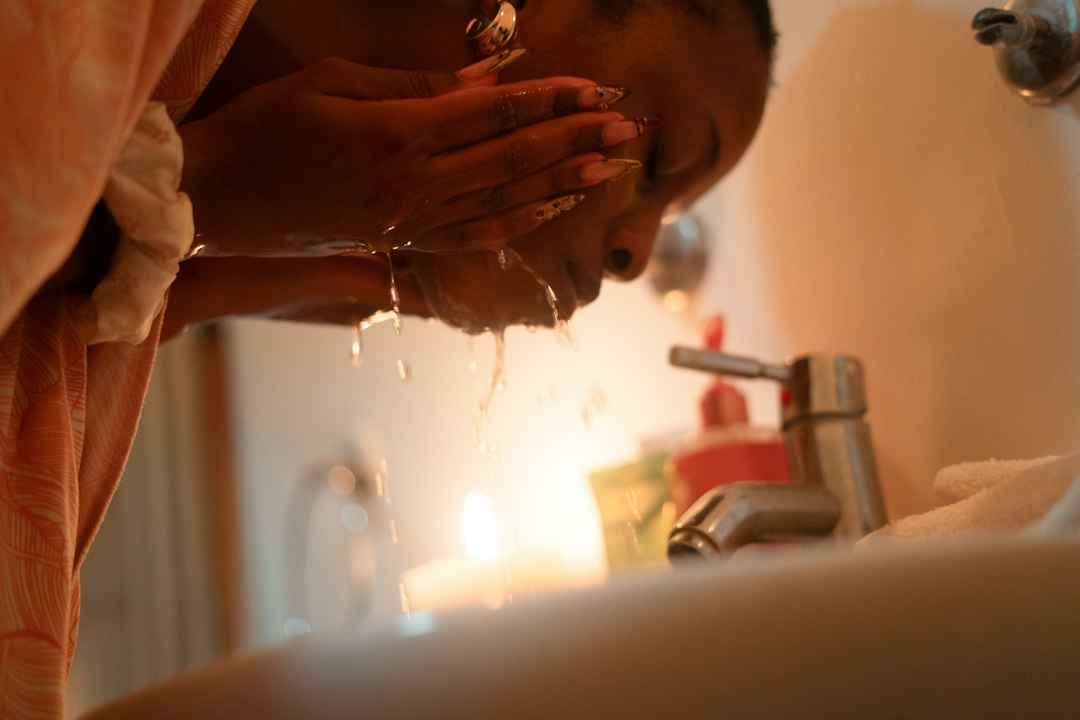
Quick answer: best face wash for teenage guys (and how to pick fast)
Keep this simple so you’ll stick with it. The right wash depends on your skin type and how much oil and clog-prone buildup you see during the day. Pair the wash with a basic moisturizer so your skin stays comfortable and looks calmer over time.
- Oily or breakout-prone: Start with a salicylic acid gel (0.5–2%). If bumps keep showing up, consider a benzoyl peroxide wash at 2.5–4% a few times a week.
- Dry or sensitive: Choose a creamy, fragrance-free cleanser with ceramides and glycerin. Avoid scrubs and strong fragrance.
- Normal or combination: Go with a mild foaming gel, fragrance-free and labeled non-comedogenic.
Frequency and technique matter as much as your product: wash once in the morning and once after sports or before bed; if your skin feels tight, drop to once at night. Use lukewarm water, a nickel-size amount, massage 30–60 seconds, rinse well, then pat dry and moisturize.
Budget guide (typical US drugstore ranges; check local pricing): basic gentle cleansers are often under $10 for mid-size bottles and roughly under $1.50 per ounce; active cleansers (salicylic acid or benzoyl peroxide) commonly fall under $15 and around $1–$2.50 per ounce depending on size and retailer.
7-step quick-start checklist
- Do the 30-second skin-type test (below).
- Pick the matching ingredient (SA for oily, BPO for stubborn breakouts, ceramides for dry/sensitive, gentle foam for combo/normal).
- Pick a budget tier (many options under $10 or under $15).
- Patch test along the jawline for two nights.
- Start once per day; if using actives, begin every other day, then adjust.
- Moisturize after cleansing with a lightweight, non-comedogenic lotion.
- Reassess at 2–6 weeks; step up or down the strength if needed.
How to choose in 30 seconds: skin type test and ingredient match
Do this at midday with clean, bare skin: press a clean tissue or blotting paper onto your forehead and nose.
- Shiny or blot shows oil in a few seconds: you likely lean oily.
- Feels tight or looks flaky: you likely lean dry or sensitive.
- T-zone shine only: combination.
- No shine, no tightness: normal.
Now map to ingredients:
- Oily or breakout-prone: Start with salicylic acid (SA) 0.5–2% in a gel cleanser. SA is oil-soluble and can help lift pore-clogging debris on the skin’s surface.
- Stubborn, frequent breakouts: Consider a benzoyl peroxide (BPO) wash at 2.5–4% a few times per week. BPO is commonly used in acne care routines and can support clearer-looking skin when used consistently.
- Dry or sensitive: Look for ceramides, glycerin, and a creamy texture. Keep it fragrance-free and avoid mentholated scrubs.
- Combination or normal: Mild foaming gel, fragrance-free, labeled non-comedogenic. This balances a clean feel without over-drying your cheeks.
Face wash vs. cleanser: In stores, these words are often used interchangeably. What matters is the texture and the label claims, not the exact term. For teens, the easiest route is a gentle, fragrance-free liquid labeled non-comedogenic. Skip bar soap on the face; it can be drying. Also pass on harsh walnut or apricot scrubs; those can be too rough on teenage skin.
What to avoid at first: strong added fragrance, cooling menthol, multiple exfoliating acids stacked together, and very hot water. Keep the routine minimal: cleanse, moisturize, and if you’re outdoors, use a basic SPF in the morning.
Our picks: best face wash for teenage guys by skin type and budget
The picks below are common US drugstore options chosen by texture, ingredient list, and everyday availability. We didn’t test these ourselves; this is a buyer’s guide based on widely published brand information. Prices vary by store and size. Always check the label for “fragrance-free” and “non-comedogenic.”
| Skin type/concern | Product name | Active ingredients (strength) | Fragrance-free | Texture | Price and cost per oz | Best for | Notes |
|---|---|---|---|---|---|---|---|
| Oily/breakout-prone | Neutrogena Oil-Free Acne Wash | Salicylic acid 2% | Yes (check label) | Gel | Usually under $10; roughly <$1.50/oz | Daily SA start | Classic SA gel; use once daily at first |
| Oily/breakout-prone | Aveeno Clear Complexion Foaming Cleanser | Salicylic acid (listed), often 0.5–2% | Yes (check label) | Foam | Commonly under $10–$12; about $1–$2/oz | Gentle SA option | Foam feel; easy rinse |
| Stubborn breakouts | PanOxyl Creamy Wash | Benzoyl peroxide 4% | Yes (check label) | Cream | Often under $15; ~ $1–$2/oz | 2–4x/week | Use a few times per week; moisturize after |
| Stubborn breakouts | CeraVe Acne Foaming Cream Cleanser | Benzoyl peroxide 4% | Yes | Cream-to-foam | Often under $15; ~ $1–$2.50/oz | Beginner-friendly BPO | Includes ceramides for comfort |
| Dry/sensitive | CeraVe Hydrating Facial Cleanser | No direct actives; ceramides, glycerin | Yes | Cream | Often under $15; ~ $1–$2/oz | AM/PM gentle cleanse | Creamy, cushiony feel |
| Dry/sensitive | Cetaphil Gentle Skin Cleanser | No direct actives; mild surfactants | Yes | Lotion-like | Commonly under $10–$12; about $1–$1.50/oz | Very mild cleansing | Good first cleanser to try |
| Dry/sensitive | Vanicream Gentle Facial Cleanser | No fragrance, dyes, or lanolin | Yes | Gel-cream | Usually under $12; typically <$1.70/oz | Minimalist formula | Popular for ingredient-sensitive users |
| Normal/combination | CeraVe Foaming Facial Cleanser | No direct actives; ceramides, niacinamide (listed) | Yes | Gel | Often under $15; ~ $1–$2/oz | Balanced cleanse | Foams without feeling tight |
| Normal/combination | Cetaphil Daily Facial Cleanser | No direct actives; mild surfactants | Yes | Gel | Commonly under $10–$12; about $1–$1.50/oz | Everyday use | Simple, low-frills pick |
Tip: if you like a cleanser but it feels a little tight afterward, do not scrub harder. Instead, use less product, shorten contact time to ~30 seconds, and follow with moisturizer. If that still feels tight after a week, switch to a gentler option.
For a complete acne-friendly routine built around simple steps and realistic habits, read our guides: How to improve acne gently and Acne care routine: a practical guide.
How to use your face wash right (and what not to do)
Using the product well often matters more than the logo on the bottle. Here’s a simple technique that works for most teens.
- Wet your face with lukewarm water.
- Dispense a nickel-size amount into your palm.
- Gently massage over skin for 30–60 seconds. No hard scrubbing.
- Rinse thoroughly. Make sure the hairline, sides of nose, and jawline are fully rinsed.
- Pat dry with a clean towel. Do not rub.
- Apply a lightweight, non-comedogenic moisturizer while skin is slightly damp.
How often: once or twice daily. If your skin is dry or you don’t get sweaty during the day, once at night is fine. If you’re active or wear sunscreen outdoors, cleansing after sports and in the evening helps keep skin feeling fresh. Avoid washing more than twice a day; over-washing can leave skin uncomfortable.
Sports/sweat micro-routine: after practice or a game, rinse with lukewarm water or do a quick cleanse if you can. If there’s no sink, use a gentle, fragrance-free face wipe as a temporary step, then cleanse and moisturize later that evening.
Patch testing: with any new cleanser—especially with active ingredients—apply along the jawline for two nights before full use. Start SA or BPO cleansers every other day for a week, then adjust to daily if your skin stays comfortable. If you notice ongoing stinging or flakes, step down in strength or switch to a gentler cleanser and increase moisturizing for a while.
Stacking actives: early on, avoid layering multiple exfoliants or strong toners. Let one active do its work consistently before you consider any other changes. If you want a clear, realistic PM routine, this guide helps: Nighttime Skin Care Routine: Simple Steps That Stick.
Moisturizers and SPF that pair well with teen cleansers
A good moisturizer keeps your barrier comfortable so active cleansers are easier to use consistently. Look for lightweight lotions labeled non-comedogenic with ingredients like glycerin, hyaluronic acid, and ceramides. If you’re outdoors, add SPF in the morning.
- Oily skin: water-light gel-cream or oil-free lotion. Look for quick-absorbing textures.
- Dry or sensitive: creamier lotion or a simple cream with ceramides.
- Combo or normal: a basic lotion usually does the job.
Application size: think pea- to nickel-size depending on face size and dryness. If you’re curious how a popular cream fits into different skin types and routines, see our overview: CeraVe Moisturizing Cream review: does it fit your skin?
Strength ladder: from gentle to more active (when to step up)
Use this ladder to decide if and when to change cleanser types. Stay at each rung for 2–6 weeks unless your skin requests a change sooner.
| Rung | What it is | When to pick it | Notes |
|---|---|---|---|
| 1 | Gentle non-active (ceramides, glycerin; no SA/BPO) | Dry, sensitive, or starting from scratch | Great baseline; easiest to stick to |
| 2 | Salicylic acid ~0.5% | Mild oil and occasional bumps | Every other day at first, then daily if comfy |
| 3 | Salicylic acid 1–2% | Regular oil, frequent clogged look | Rinse well; moisturize after |
| 4 | Benzoyl peroxide 2.5% | Stubborn spots not changing with SA | Use a few times per week at first |
| 5 | Benzoyl peroxide 4% | Frequent bumps despite lower strengths | Alternate with a gentle cleanser for comfort |
If a step feels too strong—tightness, persistent flakes, or stinging—drop back down and increase moisturizing. Consistency beats intensity.
FAQs: teen face wash basics
What is the best facewash for boys?
Use the same approach as above: match the cleanser to skin type and budget, keep it fragrance-free and non-comedogenic, and focus on habits. Oily or breakout-prone skin usually pairs well with a salicylic acid gel; tougher breakouts may benefit from a 2.5–4% benzoyl peroxide wash a few times a week. Dry or sensitive skin tends to like creamy cleansers with ceramides. Normal or combo skin does well with mild foaming gels. Many solid options live under $10–$15, and you can often find cost-per-ounce values that make daily use affordable.
What is the difference between face wash and cleanser?
In most stores, the words are interchangeable. Some brands say “face wash” for foaming gels and “cleanser” for creamier textures, but there is no universal rule. Your decision should focus on texture, ingredient list, and whether it’s fragrance-free and non-comedogenic. Avoid bar soap on your face; it’s often too drying for teen skin.
What is the best moisturizer for teenagers?
Pick a lightweight, non-comedogenic lotion with humectants like glycerin and hyaluronic acid; ceramides can support a comfortable feel. Gel-cream textures suit oily skin; creamier lotions suit dry or sensitive skin. Use a small amount after cleansing. If you want a full minimalist routine that’s easy to keep, check out our skin maintenance routine.
Can a 15-year-old use face wash?
Yes. A gentle, fragrance-free cleanser is an easy daily habit for teens as young as 13. If you choose a cleanser with actives like salicylic acid or benzoyl peroxide, start slowly, patch test, and moisturize. If you have questions about your skin, a licensed dermatologist can provide personalized guidance.
How long does it take for a face wash to improve acne?
Give a new cleanser 2–6 weeks to judge how your skin looks and feels, because habits and consistency matter. If you see no change after that period with a salicylic acid cleanser, consider stepping up to a benzoyl peroxide wash a few times a week, or keep the gentle cleanser and adjust other parts of your routine. For ideas that fit school and sports, read How to improve acne gently.
Should teens use salicylic acid every day?
Many teens do fine with daily salicylic acid once the skin adjusts, but start every other day for the first week. If your skin stays comfortable, go to daily use. If it feels tight or looks flaky, reduce frequency or switch to a gentler cleanser and focus on moisturizing.
Bottom line: the best face wash choice is the one you’ll actually use day after day. Keep it simple, keep it gentle, and give your routine a fair shot before you change it.