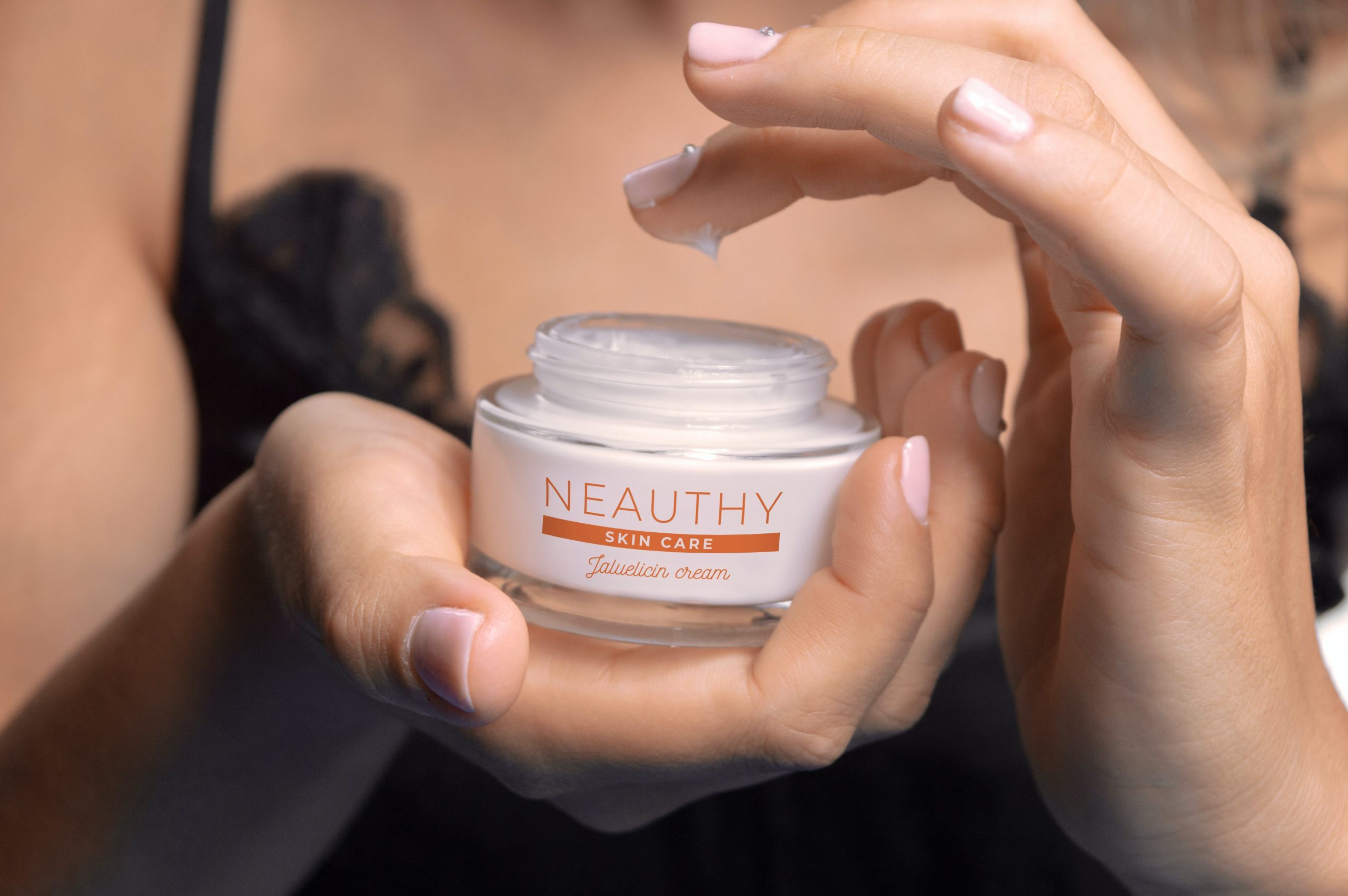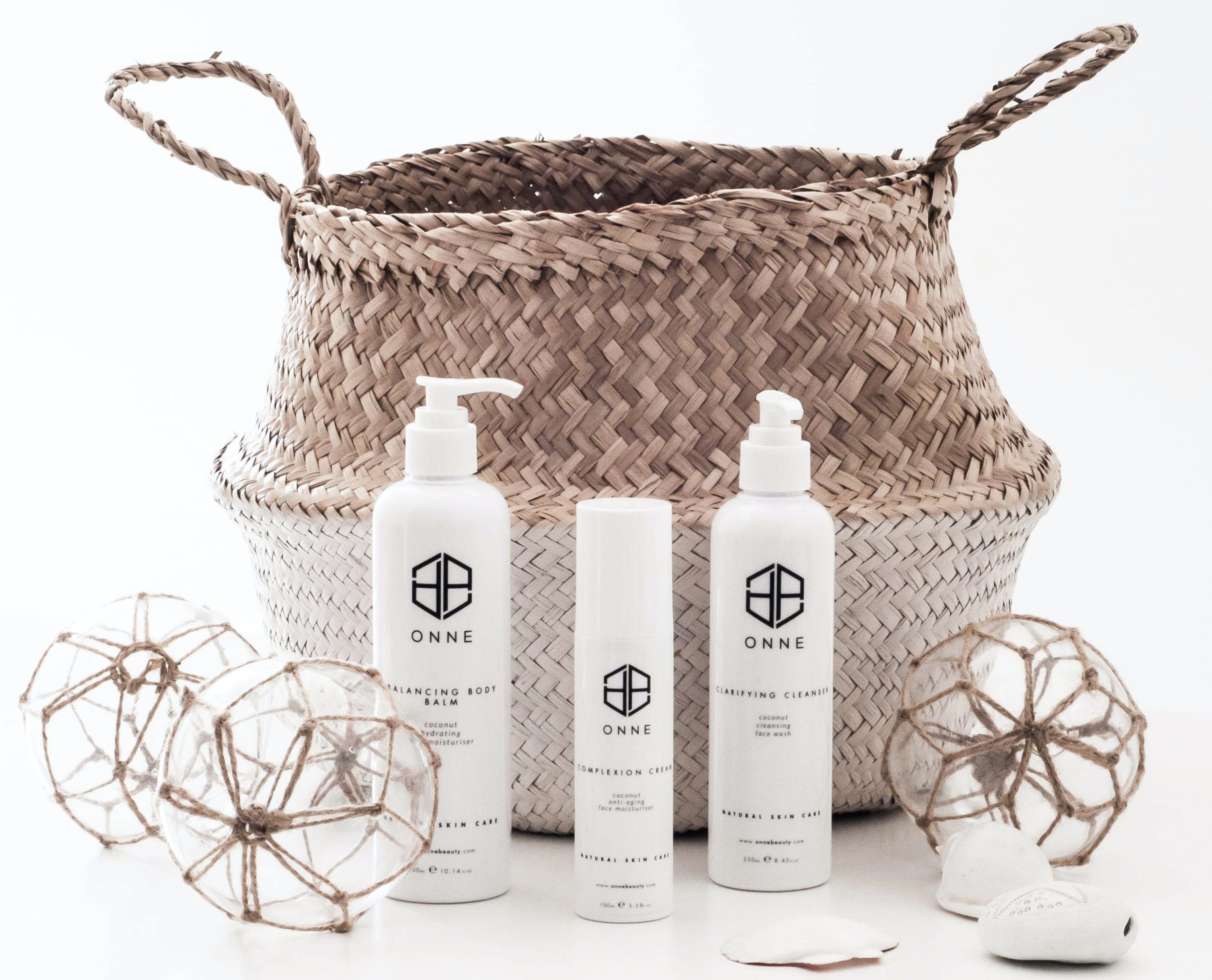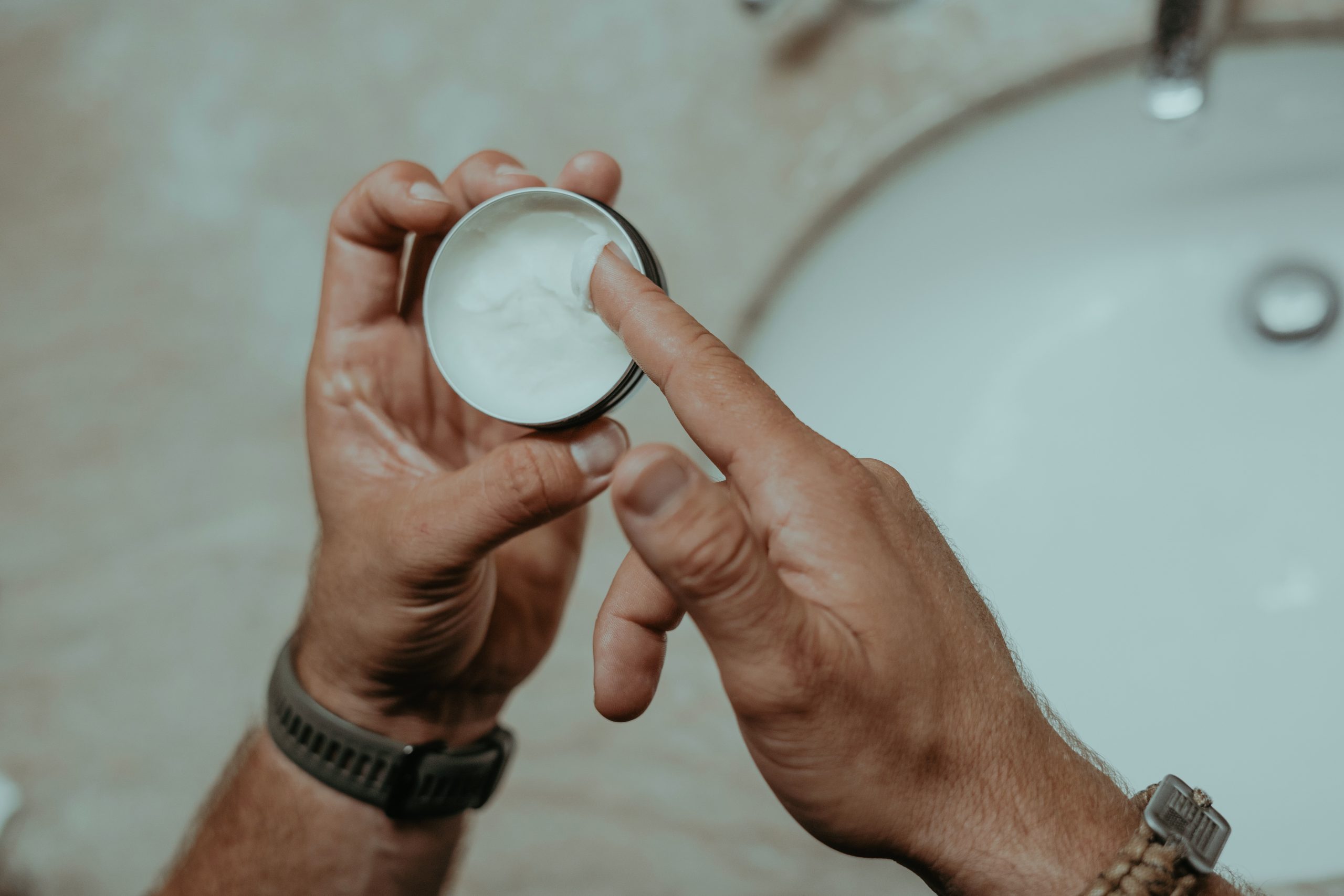
Many people ask how to build an effective acne care routine. In this guide, the phrase acne care routine refers to a calm, practical system of daily steps focused on gentle cleansing, balanced hydration, breathable sun care, occasional spot support, and small lifestyle adjustments that can make day-to-day skin feel steadier and more comfortable.

acne care routine: a calm framework that fits real life
Before choosing products or rewriting your bathroom shelf, it helps to define what a routine actually does. An acne care routine is not a complicated set of rules or a heavy toolbox you must apply all at once. It is a compact framework designed to reduce pore-clogging residue, keep the skin comfortably hydrated, and support a clearer-looking surface over time. Think of it as the difference between doing random acts of skincare and following a plan. A plan reduces guesswork and helps your habits stay consistent when work, sleep, or the weather gets chaotic.
Breakouts commonly appear when excess oil mixes with dead skin cells and residue from makeup, sunscreen, or the environment. Friction from gear and clothing, climate swings, and irregular routines can also make blemishes more visible. You cannot control every variable, but you can build a routine that lowers common triggers: a gentle cleanse that lifts film without harshness, hydration that supports comfort, light sun care that feels breathable, and targeted, occasional steps for visible areas. When these pieces are placed into a morning/evening flow, you will often find the skin looks calmer and feels easier to maintain.
Two principles guide the framework. First, prioritize comfort. If a product stings, flakes, or leaves a heavy film, it is harder to stay consistent. Second, protect energy. Short, predictable steps win over long, intricate rituals you cannot repeat. In practice, a plan that takes five minutes twice per day will usually beat a 30-minute experiment you abandon after a week. As you read, you will see that theme echoed in checklists, examples, and small maintenance tips.
Morning steps that keep things simple
A good morning routine sets a comfortable tone for the day and pairs well with makeup, exercise, and work. The morning flow below is designed to be brief, breathable, and adaptable.
- Gentle cleanse with lukewarm water
- Light moisturizer: gel-cream or oil-free lotion
- Breathable sunscreen: non-comedogenic texture
Across different skin types, a short cleanse lifts overnight oil, skincare residues, and pillowcase lint. Massage a mild cleanser for 20–30 seconds and rinse thoroughly so no film remains. Pat dry, then smooth a thin layer of moisturizer while the skin is still slightly damp; this helps the product spread easily. Finish with a sunscreen you actually like wearing—one that feels light, sets quickly, and plays well under makeup or a mask.
Practical tips:
- Keep the cleanser near the sink and the moisturizer right beside the sunscreen. Proximity reduces friction.
- Use a small mirror in good light to spot any residue near the hairline or jaw after rinsing; those areas often collect film.
- If mornings are rushed, pick products with pumps and fast-drying textures. Swap jars and rich creams for tubes and airy gels.
- On makeup days, give each layer a minute to set before moving to the next to reduce pilling.
Common mistakes include over-cleansing and skipping hydration because the skin feels oily. Counterintuitively, comfortable hydration can help the surface feel steadier by supporting the skin’s barrier. If you consistently feel greasy by noon, try adjusting cleanser mildness or swapping to a lighter moisturizer rather than removing hydration altogether.
Evening steps for steady support
Evening care is where you remove the day and add small, targeted support when needed. The aim is to lift film thoroughly without leaving the face tight, then add a comfortable layer of hydration that feels slightly richer than the morning if your climate is dry.
- Makeup removal (if applicable): gentle first step
- Cleanse: lukewarm water, thorough rinse
- Hydration: thin, even layer; richer texture if air is dry
- Optional: mild exfoliating step on some nights
- Optional: precise spot care for visible areas
If you wear long-wear foundation or water-resistant sunscreen, consider a brief makeup removal step before cleansing (for example, a light gel-based makeup remover that rinses clean). Follow with your everyday cleanser and take time around the nose, jaw, and hairline where residue hides. After drying, apply your moisturizer. On some nights, you may add a mild exfoliating product; keep that occasional and responsive (see more on exfoliation later). Finish with spot care only on the areas you want to support—not all over—and keep applications small and precise.
Sensible pacing helps the skin stay comfortable. Avoid stacking strong steps back-to-back. If you exfoliate on Monday, take Tuesday off from extras. If a spot care product was used on an irritated area, skip exfoliation that night. This measured rhythm helps you maintain comfort while still helping the surface look smoother over time.
Cleansers: how to choose and use without overdoing
Cleansing can make or break your routine. The right formula lifts oil, sweat, makeup, and sunscreen without leaving the skin tight. Over-cleansing often leads to discomfort, visible dryness, and even more mid-day oil.
Selection pointers:
- Choose “mild,” “for everyday use,” or “gentle” on the label. Gel cleansers and soft-foam textures suit many skin types.
- Seek “non-comedogenic” or “oil-free” cues when you prefer very light textures.
- Avoid products that promise extreme degreasing; they often feel satisfying in the moment but can be harsh.
Technique matters:
- Use lukewarm water; very hot water may increase dryness and irritation.
- Massage for 20–30 seconds, focusing on the forehead, nose, chin, and jawline—areas that gather residue.
- Rinse thoroughly so no film remains; tilt your head slightly to ensure the hairline and ear area are clean.
- Pat dry with a clean towel; rubbing aggressively adds unnecessary friction.
Frequency is typically twice daily—morning and evening—with an extra gentle cleanse or quick rinse after workouts. If your skin feels tight or squeaky after cleansing, that is feedback to switch to a milder formula or reduce massage time. If midday looks shiny, it may mean the cleanser was too harsh earlier; paradoxically, stripping can prompt discomfort and visible oil. Adjust textures and timing until your skin feels comfortable.
Hydration and moisturizers: comfort without heaviness
Hydration supports the skin barrier and helps the surface look smooth and calm. People with breakouts often worry moisturizers will feel heavy. The trick is to match texture to conditions—light during warm or humid days, slightly richer at night or in dry air.
What to look for:
- “Lightweight,” “gel-cream,” “oil-free,” and “non-comedogenic” on the label.
- Fast-set textures that absorb quickly before sunscreen or makeup.
- Richer night options in cooler seasons if your skin feels tight, but keep them breathable.
Application tips:
- Apply to slightly damp skin after cleansing; this helps spread and reduces tugging.
- Use a thin, even layer; more is not necessarily better, especially in humid climates.
- Let it set for a minute before layering sunscreen or other products.
Hydration myths are common. Moisturizers do not “cause” oil; rather, they support comfort. If you skip hydration entirely, the surface may feel tight and respond with visible mid-day shine. If you feel greasy by noon, adjust the weight of your moisturizer and the mildness of your cleanser instead of ditching hydration.
Sunscreen options that feel breathable
Daily sun care supports a more even appearance over time and pairs with makeup and outdoor plans. Many modern formulas are designed to feel light, sheer, and comfortable on breakout-prone skin.
Selection and use:
- Seek “non-comedogenic,” “oil-free,” “matte,” or “sheer” on the label for pore-friendly textures.
- Consider mineral or hybrid formulas if classic versions feel heavy; newer options often apply more smoothly.
- Apply generously to face, ears, and neck, then give a minute to settle before makeup.
- Reapply during long outdoor stretches as needed; sticks, gels, and powders can make mid-day reapplication easier.
Layering tips:
- Allow your moisturizer to set before sunscreen to reduce pilling.
- Limit the number of silicone-heavy products layered together; excessive slip can cause textures to ball up.
- Test combinations on a non-rushed day to find pairings that feel comfortable and look natural.
Comfort should guide your choices. If a formula consistently feels greasy or heavy, try a lighter texture or a different type. Stick formats can be friendly for the nose and cheekbones, while fluid formulas often look seamless under makeup. The goal is consistency: a sunscreen you enjoy wearing is easier to apply day after day.
Exfoliation: mild, occasional, and responsive
Exfoliation can help the surface look smoother by lifting dull, dead skin cells. The key is to keep it mild and occasional, then adapt based on how your skin feels. Heavy, frequent exfoliation can lead to sensitivity, patchiness, or a tight, stingy sensation.
Practical guardrails:
- Start with once or twice per week, spaced apart.
- Choose gentle products designed for regular skincare use; avoid layering strong steps on the same night.
- Follow with comfortable hydration.
- Skip exfoliation on nights when you used precise spot care on irritated areas.
Signs that the pace is right include smoother touch, even tone, and no lingering sting. If redness or tightness appears, scale back. Think of exfoliation like dusting a shelf, not sanding a floor. Light, steady use paired with hydration often supports a calmer look over time.
Spot care and patches: precise help for visible areas
Targeted products can support a calmer appearance on specific areas that look red or feel tender. They are most helpful when applied precisely and sparingly, based on current need rather than habit.
Using spot products:
- Apply after cleansing and before your final layer of hydration unless the instructions suggest otherwise.
- Use a small amount and keep application tight around the area you want to support.
- Start with lower frequency (for example, a few nights per week) and adjust based on how your skin responds the next day.
- Consider hydrocolloid patches for visible blemishes; they can reduce friction from pillows and discourage touching.
One smart technique is to reserve spot care for evenings when you have time to apply it calmly. If you notice dryness or flaking afterward, counterbalance with gentler cleansing the next morning and a slightly richer moisturizer at night. Precision, not quantity, is the winning strategy.
Makeup, tools, and removal: pore-friendly practices
Makeup can be enjoyable and compatible with a pore-friendly routine when chosen and removed thoughtfully. The main goals are breathable textures, clean tools, and thorough removal without harshness.
Helpful switches:
- Choose foundations and primers labeled “non-comedogenic,” “oil-free,” or “pore-friendly.” Satin or natural finishes often feel lighter than thick, occlusive formulas.
- Consider pinpoint concealing for visible spots instead of full-face heavy coverage on low-need days.
- Clean makeup tools weekly; brushes and sponges collect residue and oils over time.
- Use a gentle makeup-removal step for long-wear formulas, then cleanse; avoid rubbing aggressively.
If your cleanser struggles with heavy foundation, try a light makeup remover first, then wash with your everyday cleanser. For midday touch-ups, blotting papers and light powder can refresh the look without adding thick layers. Comfort-led decisions help you enjoy makeup while keeping daily care consistent.
Daily habits: sleep, stress, and hydration
Skin responds to more than bottles and jars. Sleep, stress, movement, and what you eat and drink can influence how your skin looks and feels. The science is complex and varies by person, but many people notice that steady, supportive habits help the complexion look calmer.
Practical habit levers:
- Hydration: drink water steadily across the day. Regular intake supports overall comfort and may help your skin look less fatigued.
- Balanced meals: aim for protein, fiber-rich carbohydrates, and healthy fats. Steady energy often pairs with steadier-looking skin.
- Mindful snacks: if certain foods tend to coincide with flare-ups for you, test alternatives for a few weeks and observe differences.
- Movement: regular activity may help you feel more resilient; rinse or cleanse gently after workouts to remove sweat and surface residue.
- Sleep rhythm: consistent sleep supports recovery; many people notice their skin looks calmer when their sleep schedule is steady.
Habits operate like small dials you can turn. Keep notes, watch for patterns, and lean into what supports your skin and your schedule. Perfection is not required; modest changes practiced consistently often make day-to-day maintenance easier.
Friction, fabrics, and environment
Where and how materials touch your face can influence breakouts, especially along the jawline, cheeks, and chin. Helmets, mask straps, collars, phone screens, and even pillowcases introduce heat, sweat, and friction.
What you can adjust:
- Reduce constant rubbing by loosening gear slightly or choosing softer contact points when available.
- Clean phone screens, headset pads, and chin straps regularly to remove residue.
- Choose breathable fabrics for hats, masks, and collars during warmer months.
- Wash pillowcases frequently and consider tightly woven, smooth fabrics.
- Mind climate and air patterns; in very dry air, increase hydration weight at night and consider a humidifier.
Small tweaks can yield outsized comfort. If you notice patterns—chin strap days equal more visible blemishes—plan around them: keep a spare strap, switch fabric, or give those areas extra cleansing attention. The aim is incremental improvement, not rigid rules.
Consistency, tracking, and adjusting
Skin changes gradually, and it can be hard to notice small wins day to day. A light-touch tracking system helps you evaluate your routine without turning it into a chore.
Simple tools:
- Routine calendar: mark nights you exfoliated or used spot care, so you avoid stacking strong steps.
- Photo check-ins: take natural-light photos at week 0 and week 4. Review calmly for steadier tone, fewer congested areas, and smoother texture.
- Feel notes: record midday comfort: tight, balanced, or oily. Adjust cleanser or moisturizer weight based on those cues.
Give your routine 4–8 weeks before making big changes, then alter one variable at a time. If a cleanser feels too strong, switch to a milder one while keeping other steps steady. If a moisturizer feels heavy, try a lighter gel-cream or reduce the amount. Iteration is your friend; the goal is a dependable system that fits your life.
Putting it together: a sample week you can adapt
Use this example as a starting point and modify it to your skin, climate, and schedule.
Morning (daily)
- Gentle cleanse with lukewarm water
- Light moisturizer (gel-cream or oil-free lotion), thin layer
- Breathable, non-comedogenic sunscreen; give it a minute to set
Evening (most days)
- Makeup removal if needed
- Gentle cleanse; rinse thoroughly
- Hydration: thin, even layer; adjust weight based on climate
- Optional, precise spot care on visible areas
Twice per week, spaced apart
- Mild exfoliation in the evening; follow with comfortable hydration
- Schedule extras (like short mask sessions) away from exfoliation nights
Any day
- Exercise; rinse or cleanse gently after workouts
- Wipe phone screens and gear pads; choose breathable fabrics when possible
- Drink water throughout the day; build balanced meals and mindful snacks
Over time, many people notice steadier tone and fewer visibly congested areas when this flow is kept simple and consistent. If your climate changes or life speeds up, adjust textures and timing rather than abandoning the framework.
Troubleshooting guide: quick checks when things feel off
Even a solid routine requires occasional tweaks. When comfort dips or visible blemishes feel more noticeable, use these quick checks.
Checklist:
- Sudden sting or tightness? Switch to a milder cleanser; reduce exfoliation frequency; add a slightly richer night moisturizer for a few days.
- Midday shine feels heavier than usual? Confirm you are not over-cleansing. Try reducing cleanse time or switching to a gentler formula. Consider a lighter moisturizer layer in the morning.
- Makeup pilling under sunscreen? Give each layer a minute to set. Limit silicone-heavy stacking. Test different combinations on non-rushed days.
- Visible areas feel tender after spot care? Use smaller amounts, keep application precise, and skip exfoliation that night.
- Gear rubbing the jaw or chin? Loosen straps slightly, swap to softer materials, and wipe contact points regularly.
When you correct course, keep the rest of your routine steady so you can tell what actually helped. A single change followed by a week of observation yields clearer feedback than switching many products at once.
Product changes: how to refine without chaos
Refining products is normal as seasons shift or your skin’s comfort level changes. To keep adjustments calm and traceable, make one change at a time and avoid “starting from zero.”
Refinement steps:
- Identify the step that feels off (cleanser too strong, moisturizer too heavy, sunscreen not layering).
- Swap texture first (gel-cream instead of cream; fluid sunscreen instead of thick lotion) before changing entire product families.
- Use samples or smaller sizes to test without overcommitting.
- Give changes 2–4 weeks, then reassess comfort, midday feel, and photo check-ins.
One helpful mindset is to search for “boring good” products: items that quietly do their job without drama. Over time, those become the backbone of your routine. Save experiments for calmer months; during busy seasons, rely on familiar products and adjust weight rather than formula type.
Choosing products on a budget: smart, simple strategies
Skincare can be effective without being expensive. You are buying textures and comfort, not magic. When selecting on a budget, focus on basics that do their job well and skip overlapping extras.
Budget-friendly approach:
- Core trio: a gentle cleanser, a light moisturizer, and a breathable sunscreen. These three do the heavy lifting.
- Optional: one mild exfoliating product and one spot care item. Keep both simple.
- Read labels for cues: “non-comedogenic,” “oil-free,” “lightweight,” “for everyday use.”
- Choose formats wisely: pumps and tubes minimize contamination and make dosing easy.
- Avoid redundancy: multiple serums that claim similar outcomes generally add complexity without clear benefit.
Use sample sizes to test textures and layering. If a product feels comfortable and slots smoothly into your routine, keep it. If not, set it aside and return to your core trio. The most valuable result is a routine you can sustain every day.
Sensitive skin adjustments: keep comfort front and center
If your skin reacts easily—stings, flushes, or patches—prioritize gentle textures and slow pacing. Sensitive skin can still follow the same framework; it just needs lighter pressure and more observation.
Adjustments that help:
- Use milder cleansers and shorten massage time.
- Layer hydration with thin, even amounts; consider a fragrance-free option.
- Space exfoliation farther apart; watch for lingering sting and scale back if present.
- Patch-test new products on a small area of the jawline before full use.
- Choose soft fabrics for pillowcases and avoid tight gear around the face.
Keep notes on what feels comfortable and how your skin responds over days, not hours. Gentle iteration—one change at a time—lets you build confidence without overwhelming your skin.
Face vs. body: adapting your routine for different areas
Body blemishes along the back, chest, or shoulders present similar challenges but different contexts. Sweat, tight gear, backpack straps, and fabrics contribute more on the body than they do on the face.
Adaptations:
- Rinse or shower after workouts to remove sweat and residue.
- Choose breathable fabrics for shirts and sports bras; avoid constant friction from seams or straps.
- Use gentle cleansers on the body if you notice persistent residue or visible pore congestion.
- Apply light, fast-absorbing hydration if skin feels dry or tight; breathable textures help comfort.
- Reserve spot products for specific areas and keep application small and precise.
Because body areas experience more heat and friction, dialing down rubbing and layering breathable fabrics often supports comfort. The same principles apply: gentle cleansing, hydration that feels good, and occasional, precise spot steps.
Trusted information and where to learn more
Clear guidance makes decisions easier and helps avoid over-complicated routines. Look for sources that explain ingredients and steps in plain language, encourage patch-testing, and favor gradual changes. For ongoing reading, explore practical posts tailored to everyday care in our Improve acne section: https://beautyhealthview.com/category/improve-acne/.
A calm close: steady care over time
Acne can feel discouraging, but daily care does not have to be complicated. A simple, consistent acne care routine—gentle cleansing, comfortable hydration, breathable sunscreen, occasional spot care, and mindful lifestyle choices—gives your skin steady support. Build your plan around your schedule, choose textures you enjoy, and make changes slowly. Over weeks, many people find the skin looks calmer, feels more comfortable, and is easier to maintain day to day.